Choosing the right Pet Plastic Bottles can shape your product’s safety, appearance, cost, and customer experience. A bottle is not merely a container. It protects the formula, communicates quality, and survives filling, shipping, storage, and daily handling.
Practical selection starts with the product itself. Water, shampoo, sauces, oils, and cleaning liquids can require different plastic grades and barrier properties. Check resin specifications, wall thickness, neck dimensions, closure compatibility, and drop-test results. A 500-milliliter bottle may look suitable online, yet feel unstable when filled and stacked. Small details matter. I have seen attractive designs fail because caps leaked during transport or labels wrinkled in humid warehouses.
Supplier reliability deserves equal attention. Request samples, technical data, quality records, and testing information before placing a large order. Confirm whether the material suits your intended application and regional packaging requirements. Independent laboratory testing can provide stronger evidence than marketing claims. Still, no selection process is perfect. A heavier bottle may feel premium but increase freight costs and material use. A lightweight option may lower expenses but reduce handling confidence. These trade-offs require honest testing, not assumptions.
Think about the entire operating process. Can your filling line handle the bottle consistently? Will customers grip it comfortably? Does the shape use warehouse space efficiently? Can recycled content, where appropriate, meet your performance expectations? The best choice balances function, compliance, brand presentation, sustainability, and dependable supply. Careful evaluation today can prevent costly redesigns tomorrow.
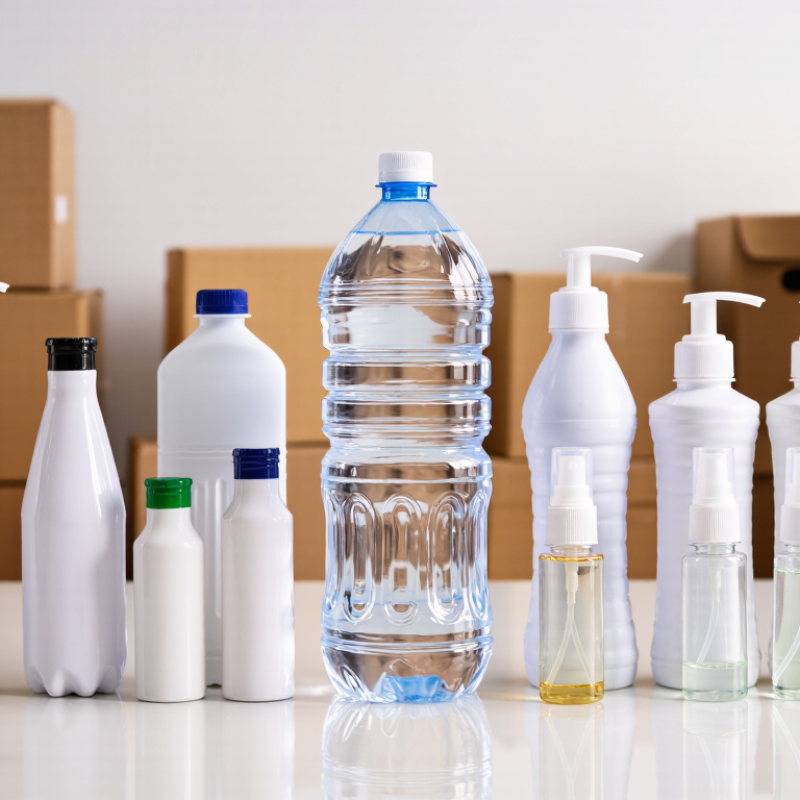
PET plastic bottles are made from polyethylene terephthalate, a lightweight and durable polymer. They are commonly used for water, beverages, personal care products, and household liquids. PET offers strong clarity, so customers can see the product before purchase. It also resists shattering better than glass during transport and daily handling.
Businesses choose PET because it can reduce shipping weight and storage pressure. A 500-milliliter bottle is easy to carry, stack, and fill on automated lines. Its smooth surface supports clear labels and accurate product presentation. PET also provides useful protection against moisture and many common substances. However, it is not suitable for every formula or filling temperature. Hot liquids may deform standard PET containers.
In practice, bottle selection should begin with the product, not the appearance. Check chemical compatibility, wall thickness, neck size, closure fit, and filling conditions. Food or cosmetic applications may require documented material testing and suitable contact compliance. A reliable supplier should provide specifications, quality records, and sample bottles for trial runs.
Small details matter. A poorly matched cap can leak during delivery, even when the bottle looks strong. I have seen teams focus on attractive shapes and overlook warehouse stacking. That mistake can create wasted space, damaged labels, and higher transport costs. PET is practical, but careful testing remains necessary.
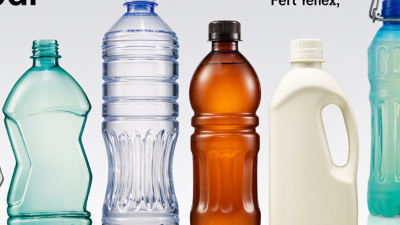
Choosing a PET bottle starts with the product, not the mold. Product viscosity, acidity, oil content, carbonation, and filling temperature determine the right design. A thick lotion needs a wider shoulder and stable base. Carbonated drinks need stronger panels and pressure-resistant geometry. Small details matter. The neck finish must match the closure, filling line, and dispensing speed. A beautiful bottle can still leak, collapse, or jam equipment.
PlasticsEurope’s Plastics—the Fast Facts 2024 reports that packaging represented 39.8% of European plastics demand in 2023. This scale makes material reduction important, but lighter is not always better. A bottle that deforms during transport creates waste and damages customer trust. Select resin grade, wall thickness, and base design together. Test filled bottles through drop, top-load, leakage, and shelf-life checks. For oxygen-sensitive products, compare barrier options carefully. Appearance alone is not enough.
End-of-life performance should influence the shape. UNEP’s 2023 Turning off the Tap report estimates that reuse systems could reduce plastic pollution by 30% by 2040. A refillable format may suit some products, but not every supply chain. Clear PET, compatible closures, and easily removable labels can support sorting and recycling. Still, these choices need local validation. Recycling infrastructure differs widely. I would revise the design after transport trials, because the first version is rarely perfect.
| Product Category | Typical Fill Volume | Recommended PET Design | Key Barrier Requirement | Suitable Closure and Neck | Important Shape Features | Heat and Pressure Considerations | PET Suitability |
|---|---|---|---|---|---|---|---|
| Still Water | 330 mL–2 L | Lightweight, clear bottle with a pressure-sensitive or wrap-around label area. | Standard PET is generally adequate when oxygen and carbon dioxide protection are not critical. | Standard screw closure; common neck finishes include 28 mm lightweight formats. | Vertical ribs or panels can improve grip and help control sidewall deformation. | Normally filled at ambient or chilled temperatures; avoid excessive panel flexibility during stacking. | Excellent |
| Carbonated Soft Drinks | 250 mL–2.25 L | Pressure-resistant PET bottle with a stable base and sufficient wall strength. | Use a suitable oxygen and carbon dioxide barrier specification when extended shelf life is required. | Pressure-rated screw closure with a compatible neck finish and tamper-evident band. | Petaloid or reinforced base, vertical ribs, and controlled shoulder geometry help manage internal pressure. | Designed for carbonation pressure; validate burst pressure, top-load strength, and paneling after filling. | Excellent |
| Juice and Fruit Drinks | 250 mL–1.5 L | Clear or lightly tinted bottle, depending on light sensitivity and filling process. | Consider oxygen-barrier PET or an approved multilayer structure for oxidation-sensitive products. | Wide or standard screw neck depending on pulp content, pouring speed, and cleaning requirements. | Rounded shoulders and a smooth interior support easier filling and product evacuation. | Hot-fill designs may require heat-set PET; standard PET is not automatically suitable for hot filling. | Conditional |
| Edible Oils | 500 mL–2 L | Clear or light-protected PET bottle with a stable base and easy-pour shoulder. | Standard PET can be suitable; light and oxygen protection may be needed for oxidation-sensitive oils. | Pour-control closure, dispensing insert, or narrow opening to reduce spills and over-pouring. | Grip panels and a controlled pour angle improve handling in kitchens and food-service environments. | Usually filled at ambient temperatures; verify compatibility with the oil, closure liner, and storage conditions. | Excellent |
| Household Cleaners | 500 mL–3 L | Opaque, translucent, or tinted PET bottle selected according to chemical and light exposure. | Barrier needs depend on the formulation; chemical compatibility is more important than oxygen barrier alone. | Disc-top, flip-top, trigger, or dosing closure with a chemically compatible seal and neck finish. | Ergonomic grip, shoulder strength, and a stable base are important for repeated dispensing. | Test stress cracking, leakage, odor transfer, and deformation under temperature cycling. | Conditional |
| Personal Care Products | 100 mL–1 L | Shape-driven bottle with a smooth surface for premium decoration and comfortable handling. | Standard PET is often sufficient; select higher barrier protection for volatile or oxidation-sensitive formulas. | Pump, lotion dispenser, flip-top, or screw closure matched to viscosity and dosage requirements. | Stable base, controlled grip zones, and a shoulder compatible with the selected dispenser. | Check compatibility with oils, alcohols, surfactants, fragrances, and long-term storage conditions. | Good |
| Sauces and Dressings | 250 mL–1 L | Clear or opaque bottle with a controlled dispensing opening and easy product evacuation. | Oxygen and light protection may be required for color, flavor, or freshness preservation. | Wide-mouth or dispensing closure selected for viscosity, particulates, and clean shut-off. | Inverted or angled formats can improve dispensing, while rounded shoulders reduce product retention. | For hot-fill products, use a validated heat-set PET design or consider another heat-resistant package. | Conditional |
| Pharmaceutical and Nutraceutical Liquids | 30 mL–500 mL | Functional bottle designed around dosage accuracy, protection, and regulatory packaging requirements. | Light, oxygen, and moisture protection must be assessed according to the formulation and shelf-life target. | Child-resistant, tamper-evident, dosing, or measuring closures may be required. | Clear, amber, or opaque construction should match the product’s light sensitivity and user instructions. | Require documented material compliance, extractables and leachables assessment, and stability validation. | Conditional |
| Hot-Fill Beverages | 250 mL–1.5 L | Heat-set PET bottle with vacuum-panel design and controlled wall distribution. | Barrier selection depends on acidity, oxygen sensitivity, and the required shelf life. | Heat-compatible closure and neck finish validated for the filling and cooling process. | Vacuum panels help accommodate volume contraction during cooling and reduce bottle distortion. | Validate fill temperature, cooling profile, vacuum resistance, top-load strength, and dimensional stability. | Conditional |
| Alcoholic Beverages | 250 mL–1 L | PET design selected according to alcohol concentration, carbonation, shelf life, and appearance goals. | Higher barrier protection may be needed to reduce oxygen ingress and aroma loss during storage. | Screw, sport, or tamper-evident closure with verified alcohol and seal compatibility. | Rigid shoulders and a stable base help preserve appearance during transport and retail display. | Conduct long-term compatibility testing because alcohol, flavor compounds, and storage temperature can affect PET performance. | Conditional |
| Selection note: These are typical starting specifications rather than universal limits. Final bottle geometry, PET grade, wall thickness, barrier structure, closure, and filling process should be confirmed through product-compatibility, transport, shelf-life, leakage, top-load, and regulatory testing. | |||||||
Choosing a PET bottle begins with the customer’s hand, shelf, and daily routine. A 250–350 ml bottle suits quick consumption, while 500–750 ml supports longer use. Family sizes need stronger handles and stable bases. Smaller bottles may improve portability, but they can increase packaging per serving.
Shape affects grip, filling speed, storage, and transport efficiency. A straight-sided bottle usually stacks better and uses less secondary packaging. Curved shoulders can signal premium quality, yet they may reduce pallet efficiency. Test it physically. Check squeezing force, label placement, and whether the bottle tips in a refrigerator. The OECD’s Global Plastics Outlook reports that packaging created about 40% of global plastic waste in 2019, so lightweighting deserves attention. However, excessive lightweighting can cause dents, leaks, or poor shelf appearance.
Closure selection must match the neck finish, product viscosity, and opening habits. A standard screw cap supports broad compatibility and simpler sourcing. A sport closure helps active consumers, but it adds components and may complicate recycling systems. Tethered caps can reduce littered loose caps where local requirements apply. Smithers’ The Future of PET Packaging to 2028 identifies lightweighting and recyclability as continuing industry priorities. Still, market assumptions can fail. A cap that feels convenient in testing may leak inside a school bag. Measure opening torque, seal performance, and drop resistance before approving the final size, shape, and closure combination.
Choosing PET plastic bottles requires more than comparing shapes and prices. A clear bottle may look reliable, yet small defects can affect filling, transport, and customer safety. Inspect the neck finish, base stability, wall thickness, and closure fit. A bottle should survive drop tests and pressure changes without cracking or leaking. Looks can mislead.
Ask suppliers for resin specifications, food-contact declarations, migration test results, and batch traceability records. Independent laboratory reports provide stronger evidence than general claims. Check odor, color consistency, and surface scratches during sample evaluation. Practical testing matters because a bottle that performs well in a sample room may fail on a fast production line. Keep retained samples from each approved batch.
Sustainability needs careful measurement. Lightweighting can reduce material use, but an overly thin bottle may collapse, increase waste, or require stronger secondary packaging. Recycled PET can lower virgin plastic demand, although its color, clarity, and supply consistency may vary. Confirm the recycled content percentage and testing method. Also check whether local collection systems can actually process the bottle and closure combination. No package is automatically green. A better decision compares durability, recycled content, transport weight, and real recycling access. Recheck these assumptions as suppliers, equipment, and local waste systems change.
How to evaluate PET bottle quality, safety, and sustainability
Sustainability requirements are becoming an important part of PET bottle selection. The chart compares legally defined post-consumer recycled plastic content targets for beverage bottles in the European Union and California.
When choosing a supplier, also verify food-contact compliance documentation, bottle and closure integrity, material traceability, recycled PET quality, and whether the bottle design can be efficiently collected and recycled.
Choosing PET plastic bottles starts with comparing suppliers, not browsing attractive shapes. Request samples with matching volume, neck finish, color, and wall thickness. A 500 ml bottle may feel sturdy in a showroom but flex during filling. Test it on your actual line.
Ask each supplier for a clear cost breakdown. Include resin, preform weight, molding, printing, caps, packaging, tooling, and freight. Check minimum order quantities and payment terms. A low unit price can hide expensive molds or high shipping charges. Request written prices at several volumes, such as 10,000, 50,000, and 100,000 units. Small details matter.
Production capability needs evidence. Review monthly capacity, equipment type, quality checks, and lead times. Ask how the supplier handles color variation, leaks, scratches, and deformed necks. A capable factory should explain sampling, batch records, and corrective actions without vague promises. Verify whether it can maintain the same dimensions across repeated orders. That part is often overlooked. In practice, a supplier may pass one sample inspection yet struggle during peak production. Leave time for a pilot run, and measure filled bottles after transport, stacking, and temperature changes. Your first comparison may be incomplete. Recheck it before signing.