2026 Top PET Plastic Bottle Types for Global Buyers
Choosing the right PET plastic bottle is rarely a simple packaging decision. Global buyers must balance product protection, shipping efficiency, shelf appeal, and local recycling expectations. A clear 500 ml bottle may suit drinking water, while an amber or opaque design can better protect sensitive liquids from light. The details matter.
This guide examines the 2026 top PET Plastic Bottles for international sourcing. It covers standard bottles, custom shapes, lightweight designs, recycled PET options, wide-mouth containers, and bottles with specialized neck finishes. Each type serves a different purpose. A bottle designed for carbonated drinks needs stronger pressure resistance. A household cleaner may require a chemical-compatible resin and a secure closure. These differences can affect filling speed, leakage risk, pallet usage, and total landed cost.
Practical experience shows that appearance alone is not enough. Buyers should review resin specifications, wall thickness, closure compatibility, drop-test results, and food-contact documentation where applicable. Suppliers with documented quality systems, traceable materials, and consistent production records offer stronger purchasing confidence. However, one specification cannot guarantee performance in every climate or supply chain. Heat, humidity, long-distance transport, and rough handling may expose weaknesses that factory samples do not reveal. That assumption can fail.
The most suitable bottle is not always the lightest or cheapest. It is the design that performs reliably from filling line to end user. This overview helps purchasing teams compare bottle types with clearer technical judgment, while recognizing that regional standards, product formulas, and recycling infrastructure continue to vary. Some recommendations may need revision as market data develops. That is worth remembering.
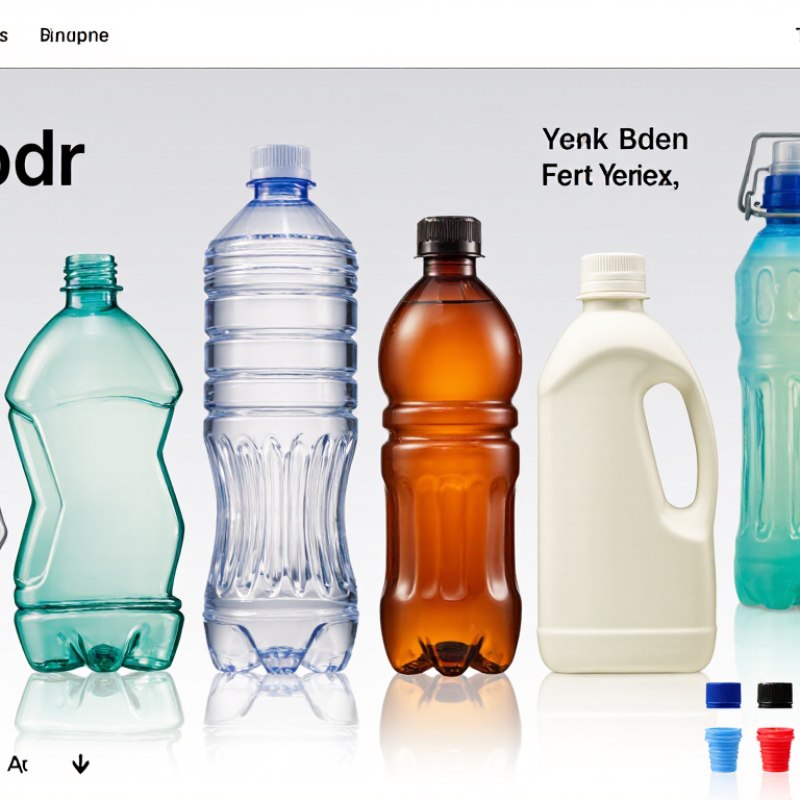
PET Plastic Bottle Basics and Classification Standards
PET plastic bottles remain a practical packaging choice for global buyers in 2026. PET means polyethylene terephthalate, a clear, lightweight thermoplastic polyester. It offers strong impact resistance and a useful oxygen barrier. The ASTM D7611 standard identifies PET with resin code 1. However, that code does not guarantee local recyclability.
Bottle classification usually starts with shape and capacity. Common forms include round, square, oval, wide-mouth, and custom-profile bottles. Capacity ranges often run from 100 milliliters to several liters. Buyers should also check neck size, thread type, wall thickness, base design, and closure compatibility. Preform weight matters too. A lighter preform can reduce material use, but it may lower top-load strength. This trade-off is easy to underestimate.
According to the OECD Global Plastics Outlook, packaging represented about 40% of global plastic use in 2019. The report also highlighted that only about 9% of plastic waste was recycled globally. These figures make design choices important. A bottle with clear PET, minimal pigments, and a compatible label is generally easier to sort. The 2024 NAPCOR PET Recycling Report recorded a U.S. PET bottle recycling rate near 30%, showing progress but also a serious gap. In my sourcing experience, buyers often classify bottles by appearance alone. That is not enough. A reliable specification should list resin grade, food-contact documentation, neck finish, testing method, and recycled-content percentage. Even then, regional collection systems can change the real outcome.
Popular PET Bottle Types by Shape, Function, and Capacity
2026 Top PET Plastic Bottle Types for Global Buyers
Bottle shape directly affects handling, transport, and shelf presence. According to the OECD’s Global Plastics Outlook, packaging created about 40% of global plastic waste in 2019. That figure makes efficient PET design more than a visual decision. Round bottles remain dependable for beverages and cleaning liquids. Their smooth walls support fast filling and simple label placement. Square and rectangular bottles use shelf space efficiently. However, sharp corners may increase stress during compression. Slim bottles reduce hand strain and fit narrow refrigerator doors. They can also tip more easily.
Function determines the neck, closure, and wall structure. Wide-mouth PET bottles suit powders, sauces, and products needing easy scooping. Narrow-neck designs reduce pouring spills and usually save material around the opening. Embossed grip zones help wet hands. Some designs still look attractive but feel unstable when full. That mistake deserves more testing. The Ellen MacArthur Foundation reports that packaging design strongly influences reuse and recycling outcomes, especially through material simplicity. Clear, single-material PET usually supports easier sorting than heavily decorated formats.
Capacity should match consumption and logistics. Small 250–500 ml bottles support portion control and on-the-go use. Mid-size 750 ml to 1.5 L formats balance portability with household demand. Large 2–5 L bottles reduce packaging per litre, but their handles and base strength require careful engineering. UNEP’s 2023 Turning off the Tap report identifies packaging as roughly 36% of global plastic production. Buyers should compare bottle weight, pallet efficiency, drop resistance, and recycling compatibility together. The lightest bottle is not automatically the most responsible choice.
Global Compliance, Sustainability, and Purchasing Factors
2026 Top PET Plastic Bottle Types for Global Buyers
Global Compliance, Sustainability, and Purchasing Factors
PET bottles vary by application, wall thickness, neck finish, and recycled content. Common options include standard PET, lightweight PET, and bottles containing post-consumer recycled PET. Each type requires careful technical review before purchase.
Food-contact packaging needs documented material safety, migration testing, and batch traceability. Requirements differ across markets. Ask suppliers for current declarations, test reports, and quality records. Do not rely on a certificate alone. Independent verification can reveal weak controls or outdated data.
Sustainability needs practical measurement. Lightweight bottles reduce resin use and shipping weight, but they may require tighter filling-line control. Recycled PET can lower virgin material demand, yet color variation and supply consistency remain concerns. A recycled-content claim may look strong on paper. The factory floor may tell another story.
Check whether bottles match existing caps, labels, fillers, and transport cartons. Small neck differences can stop a production line. Request samples from several batches, then test drop resistance, pressure performance, clarity, and storage stability. Compare total delivered cost, not only the unit price. Include testing, freight, rejected units, and compliance documentation.
No option is perfect. A responsible buying decision balances safety, durability, recyclability, verified data, and realistic operating conditions.
2026 Top PET Plastic Bottle Types for Global Buyers
Global Compliance, Sustainability, and Purchasing Factors
How to read this chart: The figures show legally required minimum post-consumer recycled plastic content for selected beverage-container markets. These benchmarks are useful when comparing clear PET bottles, recycled-PET bottles, and lightweight single-use PET formats for international purchasing.
Key purchasing consideration: PET bottles intended for the EU market must contain at least 25% recycled plastic when the bottle is made primarily from PET from 2025, rising to 30% for all plastic beverage bottles from 2030. California beverage containers require 25% recycled plastic from 2025 and 50% from 2030.
Sources: European Union Directive (EU) 2019/904; California Public Resources Code §18000–§18004, AB 793.