2026 Best Plastic Jar Containers for Global Buyers Guide?
In today's packaging industry, Plastic Jar Containers have become essential for various markets. Recent reports indicate that the global demand for these containers is projected to grow steadily. The versatility of plastic jars makes them suitable for food, cosmetics, and pharmaceuticals.
According to a 2022 study, the plastic jar market is expected to reach a value of $6 billion by 2026. Factors driving this growth include the increasing focus on sustainability and lightweight packaging solutions. However, challenges remain, such as the environmental impact of plastic waste. Manufacturers face pressure to innovate and provide eco-friendly alternatives.
The 2026 Best Plastic Jar Containers for Global Buyers Guide aims to provide insights into leading manufacturers and trends. This guide will help buyers make informed decisions. Evaluating quality, durability, and sustainability is crucial. Understanding the current landscape allows for thoughtful purchasing that aligns with consumer needs.
Overview of Plastic Jar Containers in 2026
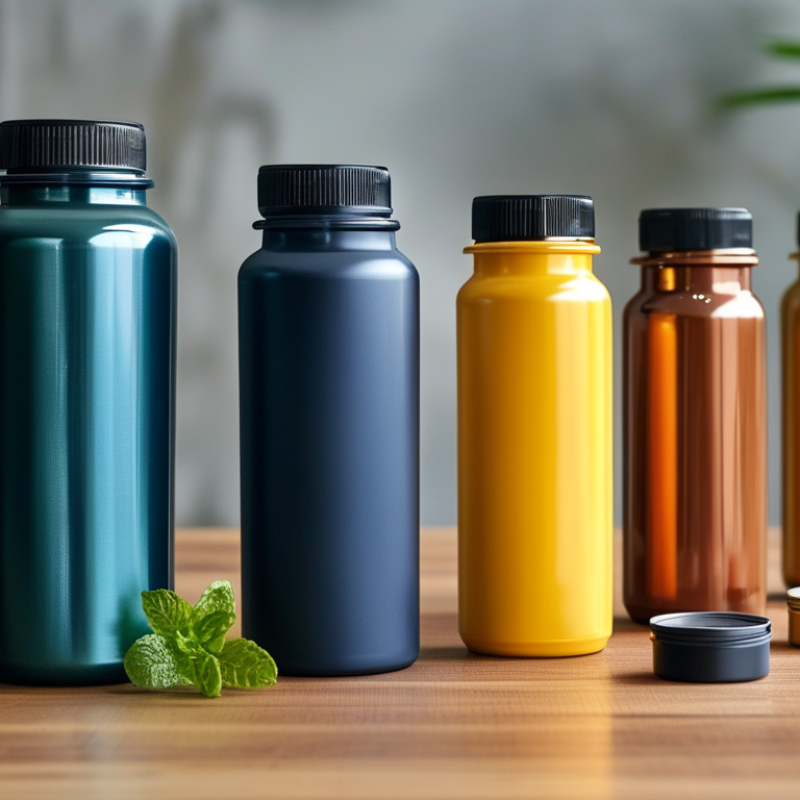
In 2026, the demand for plastic jar containers is projected to grow significantly. The global market for plastic packaging is estimated to hit over $500 billion. Plastic jars, in particular, are favored for their durability and versatility. They offer lightweight solutions for various applications. This growth is driven by the increasing consumer preference for convenience and enhanced product visibility.
According to a recent report, nearly 70% of consumers consider packaging essential for their purchasing decisions. With sustainability becoming a focal point, manufacturers are challenged to innovate. Many are exploring biodegradable options. Yet, the transition remains slow. The recycling rates for plastic jars are still below 30% in many regions. This raises questions about the industry's long-term sustainability.
There are notable gaps in the market regarding tamper-proof features and user-friendly designs. Consumers often report frustrations with difficult-to-open lids. The need for ergonomic designs is evident. Continuous feedback from users indicates a demand for improvements in accessibility. This presents opportunities for companies to enhance their offerings while addressing consumer needs.
2026 Best Plastic Jar Containers Overview
Key Features to Consider When Selecting Plastic Jars
Selecting the right plastic jar containers requires careful consideration of several key features. This is crucial for various applications in storage and packaging. The material of the jar is vital. Look for high-quality, food-safe plastics that ensure durability and safety. Common options include polyethylene and polypropylene. These materials resist impact and maintain their shape over time.
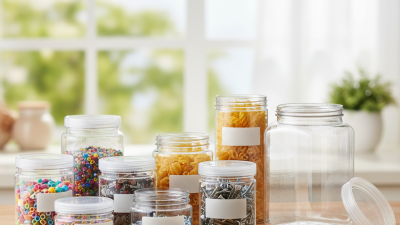
Consider the size and capacity of the jars. They should fit your specific needs. A variety of sizes allows for versatility. Small jars work well for spices or herbs. Larger containers suit grains or bulk items. Check the lid type too. A tight seal prevents contamination and extends shelf life. Screw-on lids provide security, while snap-on lids offer convenience.
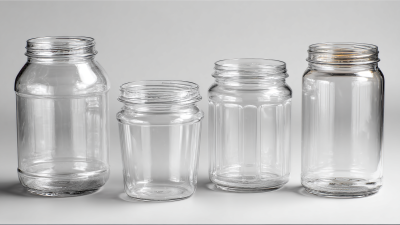
Transparency is another factor to weigh. Clear jars allow easy visibility of contents. This can simplify inventory management. Packaging should also be visually appealing for retail environments. However, balance aesthetics with functionality. Avoid overly complex designs, as they may impede usability. Finding the right balance often requires some trial and error. Each feature impacts the jar's performance and user experience.
Top Manufacturers and Suppliers of Plastic Jar Containers
The plastic jar container market is on the rise, driven by its versatility and sustainability. According to industry reports, the global plastic container market is expected to reach $500 billion by 2026, with a compound annual growth rate (CAGR) of around 4%. This growth reflects a shift towards lightweight, durable packaging options that meet consumer demands.
Top manufacturers are focusing on innovative designs and eco-friendly materials. Biodegradable plastics are gaining traction, appealing to environmentally conscious buyers. Recent data indicates that more than 70% of consumers prefer packaging that is recyclable or made from recycled materials. Companies are working to improve their production methods, ensuring compliance with global standards.
However, the competitive landscape poses challenges. With numerous suppliers, identifying reliable partners can be overwhelming. Quality assurance remains a concern, as inconsistent standards can lead to product failures. Buyers must conduct thorough research, balancing cost against quality to make informed decisions. This complex market demands careful navigation, highlighting the importance of strategic supplier relationships.
Sustainability and Eco-Friendliness in Plastic Jar Production
Sustainability is vital in today's production landscape. The plastic jar industry is evolving, focusing on eco-friendly practices. Many manufacturers now use recycled materials. This choice significantly reduces waste and promotes resource conservation. Many consumers favor brands prioritizing sustainability.
Not all production methods are perfect. Some plastics still pose risks to the environment. Bio-based plastics are an alternative. They are derived from renewable resources but can be costly. Investing in research and development is essential for improvement.
Transparency is a growing demand in the market. Buyers want to know how products affect the planet. Companies should disclose their production processes and sourcing materials. This approach builds trust and encourages responsible purchasing decisions. Challenges remain, but the journey toward sustainable plastic jar production is crucial.
Market Trends and Innovations in Plastic Jar Technology
The plastic jar container market is evolving rapidly. Recent data indicates a projected global growth rate of 4.5% from 2023 to 2030. Innovations in materials and designs are reshaping this sector. For instance, biodegradable plastic alternatives are gaining traction. These developments align with global sustainability initiatives, responding to consumer demand for eco-friendly options.
Manufacturers focus on enhancing durability and design. Advanced manufacturing techniques are allowing for intricate designs while maintaining product integrity. Additionally, new technologies such as injection molding and 3D printing are revolutionizing how jars are produced. The introduction of smart packaging features offers interactive experiences for consumers. These innovations promise to extend shelf life and improve product safety.
However, challenges remain. The reliance on single-use plastics continues to pose environmental concerns. There's a pressing need for effective recycling solutions. Industry experts emphasize the importance of improving waste management systems to address this issue. Balancing innovation with sustainability efforts is critical for future growth. The evolving landscape of plastic jar containers is a reflection of both market demands and environmental responsibilities.