What is a Plastic Container and Its Uses in Everyday Life?
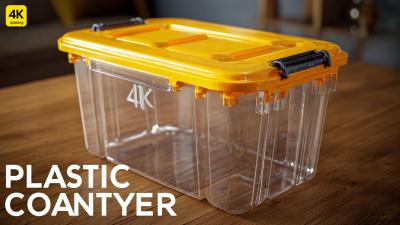
Plastic containers play a vital role in our daily lives. These versatile items are found in kitchens, offices, and even outdoor settings. From food storage to organizing tools, plastic containers are everywhere. They come in various shapes and sizes, making them useful for different purposes.
The advantages of plastic containers include their lightweight nature and durability. They are easy to clean and can be reused many times. However, concerns about environmental impact arise as plastic waste increases. This prompts a need for reflection on our usage patterns and recycling habits.
In everyday life, the practicality of plastic containers cannot be denied. Yet, we must consider their longevity and the consequences of their disposal. Finding a balance between convenience and sustainability is essential for a healthier environment.
Definition and Composition of Plastic Containers
Plastic containers are ubiquitous in our daily lives. Their definition hinges on their material composition, primarily consisting of synthetic polymers derived from petroleum. Common types of plastics include polyethylene, polypropylene, and polystyrene. According to the Plastics Industry Association, over 40 million tons of plastic are produced annually in the U.S. alone, indicating their extensive use.
These containers serve various purposes. They are lightweight, durable, and resistant to moisture. As per a study from the American Chemistry Council, about 90% of households in the U.S. use some form of plastic container. From food storage to organizing tools, their applications are broad. However, some concerns linger about their environmental impact and safety. For instance, certain plastics can leach harmful chemicals when exposed to heat.
Despite their benefits, the reliance on plastic containers raises pressing questions. Recycling rates remain low. In 2020, only 9% of plastics were recycled in the U.S. Many end up in landfills or oceans, contributing to pollution. It’s essential to consider alternatives and reduce plastic waste. Balancing convenience with sustainability is a challenge we must address.
Types of Plastic Containers Commonly Used in Households
Plastic containers are integral to daily life. They come in various forms and serve multiple purposes. Common types include storage bins, food containers, and plastic bottles. According to a report by the Plastics Industry Association, about 62 million metric tons of plastic were produced in 2020. This number highlights the prevalence of plastic containers in households.
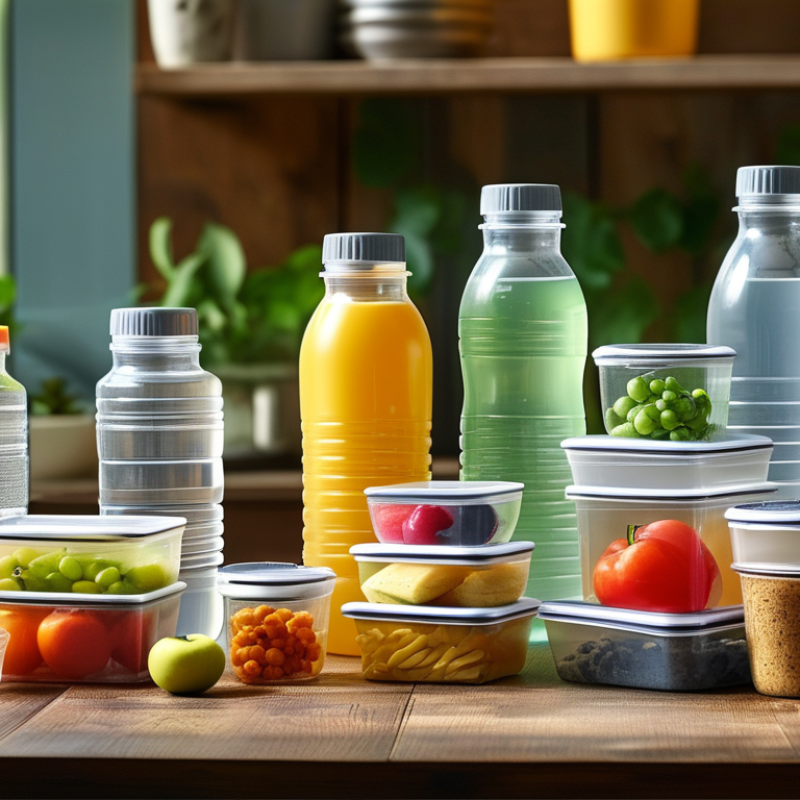
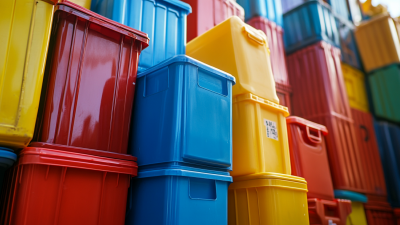
Storage bins are essential for organization, helping to declutter living spaces. They are often used in garages, basements, and closets. Food containers are popular for meal prep. They keep food fresh and make it easy to take meals on the go. Interestingly, over 80% of households use some form of plastic food storage.
Despite their utility, there are concerns about plastic waste. According to the Environmental Protection Agency, only 9% of plastic waste is recycled. This statistic prompts reflection on our reliance on these containers. It raises valid questions about sustainability. The convenience of plastic must be balanced with environmental considerations. As we use plastic containers daily, we should also think critically about their impact on our planet.
Benefits of Using Plastic Containers for Storage and Preservation
Plastic containers are prevalent in our daily lives. They offer various benefits, especially for storage and preservation. One of the primary advantages is their lightweight nature. This makes them easy to transport and handle. You can stack them in your pantry or fridge, maximizing space efficiently.
Furthermore, plastic containers are often airtight. This feature helps keep food fresh for longer periods. For example, grains, fruits, and leftovers can be stored without fear of spoilage. Their transparency allows you to see contents at a glance, saving time when you search for items. However, some may worry about chemicals leaching from plastic. It's essential to choose high-quality containers to minimize such risks.
Plastic also comes in different shapes and sizes. You might find the perfect container for school lunches or meal prep. Their durability is impressive, but they can crack over time. It's crucial to regularly assess their condition. This approach helps ensure your food remains safe and fresh while using plastic containers. Balancing convenience and safety in storage can be challenging. Nevertheless, when used mindfully, they can greatly enhance our daily routines.
Environmental Impact of Plastic Containers and Recycling Options
Plastic containers have become integral to our daily lives. They are versatile and used for food storage, packaging, and shipping. However, the environmental impact of plastic containers is significant. These items often end up in landfills, contributing to pollution and harming wildlife.
Recycling options exist, yet many plastic containers are not recycled properly. Contamination with food waste can prevent proper processing. Increasing awareness of recycling rules is essential. We can reduce plastic waste by choosing products with minimal packaging.
Tips for recycling include rinsing containers before disposal. Check local recycling guidelines to know what is accepted. Consider alternatives like glass or metal, which can be better for the environment. Every small action counts. Taking responsibility for our plastic use is crucial for a sustainable future.
Environmental Impact of Plastic Containers and Recycling Options
Innovative Uses of Plastic Containers Beyond Storage
Plastic containers are integral to everyday life, but their innovative uses extend far beyond traditional storage. With the global plastic packaging market projected to reach approximately $1 trillion by 2026, it’s evident that plastic containers play a significant role in various sectors, including food storage, waste management, and even DIY projects. According to a recent study by Smithers Pira, the growth of sustainable plastic solutions indicates a shift in how we perceive and utilize these containers.
One fascinating application is in gardening. Used plastic containers can serve as planters, helping to reduce waste while providing plants with an ideal environment. Additionally, small containers can be transformed into decorative items or functional organizers within the home. One survey found that nearly 40% of individuals repurpose containers for creative projects, showcasing an emerging trend that blends sustainability with creativity.
However, the use of plastic containers is not without criticisms. Many people still discard them carelessly, contributing to environmental concerns. Additionally, some DIY projects may not utilize containers in the most efficient way, leading to wasted resources. There is also a risk of improper uses that can compromise safety or health standards. As we continue to innovate with plastic, it’s vital to reflect on both its potential and pitfalls.
What is a Plastic Container and Its Uses in Everyday Life? - Innovative Uses of Plastic Containers Beyond Storage
| Use Case |
Description |
Advantages |
| Food Storage |
Used to store perishable and non-perishable food items, keeping them fresh. |
Lightweight, reusable and usually airtight, preventing spoilage. |
| Craft Projects |
Repurposed for various arts and crafts such as planters, decorations, and organizers. |
Eco-friendly by recycling plastic containers and fostering creativity. |
| Gardening |
Used to grow plants, herbs, or seedlings, providing drainage and a contained environment. |
Cost-effective and versatile, can be placed indoors or outdoors. |
| Home Organization |
Utilized for organizing various household items like toys, tools, or office supplies. |
Stackable and transparent options make it easy to see contents, maximizing space. |
| Travel Containers |
Portable containers for liquids and snacks during travel, compliant with regulations. |
Convenient size for bags and prevent leaks, designed for easy packing. |