Why Choose Pet Bottles for Sustainable Packaging Solutions?
The demand for sustainable packaging has surged, pushing industries toward eco-friendly solutions. According to a recent report by Smithers Pira, the global market for sustainable packaging is expected to reach $500 billion by 2027. Among these solutions, the Pet Bottle stands out as a popular choice. Expert Sarah Johnson, a leading figure in sustainable packaging, states, "Pet Bottles offer both flexibility and recyclability, making them ideal for reducing plastic waste."
Pet Bottles are made from polyethylene terephthalate, a material known for its lightweight and durable properties. This makes them an efficient option for various products, from beverages to household goods. Notably, around 79% of plastic waste is not recycled, emphasizing the need for better practices in the industry.
Despite the advantages, challenges remain. The recycling rates of Pet Bottles can vary greatly by region. Efforts must focus on creating awareness and infrastructure to improve these rates. As we choose Pet Bottles, we recognize the importance of sustainable practices in our daily lives and the responsibility we carry towards our planet.
Benefits of PET Bottles in the Sustainable Packaging Landscape
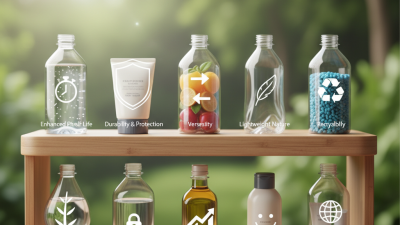
The sustainability of packaging materials is a growing concern. PET bottles have emerged as a prominent solution in this landscape. Research shows that PET is 100% recyclable. This means bottles can be reprocessed into new bottles, fibers, and even clothing. The recycling rate of PET in Europe was approximately 58% in 2020, demonstrating its potential to reduce waste.
Beyond recyclability, PET bottles are lightweight. This characteristic minimizes transportation costs and carbon emissions. When a shipment is lighter, less fuel is required, leading to a smaller carbon footprint. In fact, switching from glass to PET can reduce transport emissions by up to 30%. However, the convenience of lightweight PET also raises questions about consumer behavior. Are we overusing it simply because it is easy?
Not all PET is created equal. It can take an average of 700 years for a PET bottle to decompose in landfills if not recycled. This reality highlights a critical issue. While PET offers clear benefits, proper disposal remains a challenge. Innovation in recycling technology is needed to address these concerns. The shift towards a circular economy must be a collective effort, engaging consumers and manufacturers alike.
Recycling Rates: The Impact of PET Bottles on Circular Economy
Recycling PET bottles plays a significant role in promoting a circular economy. These bottles can be recycled multiple times without losing their quality. When consumers return their used PET bottles, they help reduce waste. This, in turn, lowers the demand for raw materials. Every bottle returned makes a difference.
However, the recycling rates of PET bottles are not ideal. Many bottles still end up in landfills. Some people may forget to recycle or lack access to recycling facilities. Education on proper recycling practices is essential. Greater awareness can improve participation in recycling programs.
The impact of PET bottles on the environment poses challenges. While they are recyclable, many consumers aren't aware of the benefits. More initiatives are needed to motivate individuals to recycle. Collaboration between communities, organizations, and governments is crucial to fostering a culture of recycling. Together, we can further strengthen the circular economy.
Recycling Rates of PET Bottles: A Key Component of the Circular Economy
The chart above illustrates the recycling rates of PET bottles from 2018 to 2022. As seen, there is a steady increase in recycling rates, highlighting the growing importance of PET bottles in promoting sustainable packaging and supporting the circular economy.
Comparative Analysis: PET vs. Other Packaging Materials
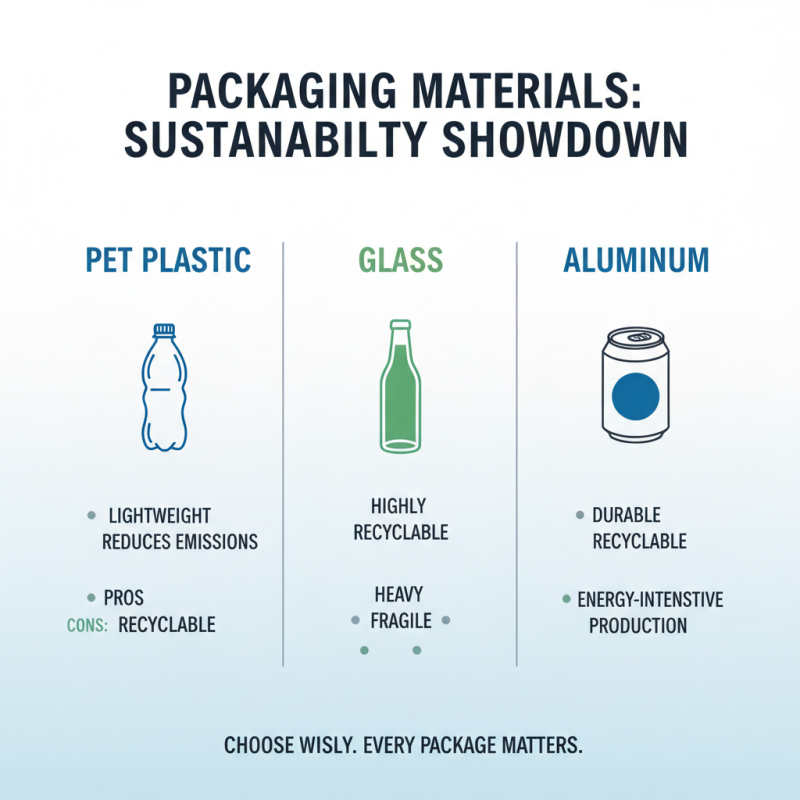
When considering packaging options, it’s important to look closely at materials. PET bottles stand out in sustainability. They are lightweight and reduce transportation emissions. However, other materials like glass and aluminum also have their own merits. Glass is recyclable, but it is heavier and can break easily. Aluminum cans are durable, yet their production processes can be resource-intensive. Each material offers unique advantages and challenges in environmental impact.
Recycling rates for PET are impressive compared to other plastics. Still, contamination and inadequate recycling systems hinder its effectiveness. In contrast, while glass can be reused, it requires more energy for recycling. Surprisingly, many consumers don't know that some PET can be recycled multiple times. This fact brings optimism, but more education is needed. Not all PET products on the market are easily recyclable.
Moreover, certain perceptions about sustainability can be misleading. For instance, the idea that all plastics are inherently harmful overshadows the potential of responsible PET usage. In packaging discussions, simplicity often overshadows complex realities. Understanding the life cycle of each material is essential for making informed choices. As we explore these options, the journey to sustainable packaging requires ongoing dialogue and commitment.
Consumer Preferences: The Rise of Eco-Friendly Packaging Choices
Consumer preferences are shifting towards eco-friendly packaging. Many people are becoming more conscious of their environmental impact. They seek sustainable alternatives that reduce waste. This trend has highlighted the importance of using
pet bottles. These bottles are lightweight and durable, making them a go-to choice for many products.
The rise of recycling initiatives has also fueled this trend. Consumers want packaging that can be easily recycled and reused. For instance, pet bottles can be recycled into new products, reducing material waste. Yet, the challenge remains in ensuring that consumers properly recycle these bottles. Awareness campaigns are crucial. Many people still throw plastic away improperly, which reduces the effectiveness of recycling efforts.
While pet bottles are often seen as a better option, they are not perfect. There are concerns about the production process and its carbon footprint. It's essential to acknowledge these flaws while promoting better practices. Consumers should demand transparency from manufacturers. They should understand how their choices affect the planet and call for improvements in sustainability efforts. The journey towards eco-friendly packaging is ongoing, and every choice matters.
Industry Innovations: Advancements in PET Bottle Technology and Design
The rapid evolution of PET bottle technology is reshaping the packaging industry. Manufacturers are exploring innovative designs that offer better functionality and sustainability. Lightweight options are gaining traction, reducing transportation costs and environmental impact. Recent advancements also focus on the recyclability of PET materials, which is a crucial factor in sustainable packaging solutions.
New designs incorporate features like easy-pour spouts and resealable caps. These enhancements aim to improve user experience while maintaining product integrity. However, some designs still lack universal compatibility, posing challenges in recycling processes. This can create confusion for consumers and undermine sustainability efforts.
Moreover, biodegradable additives are being tested in PET bottle production. These materials promise to reduce environmental footprints. Yet, the long-term effects of these innovations raise questions. Will they truly break down as intended, or could they complicate recycling streams? Addressing these uncertainties is vital for advancing PET bottle technology responsibly.
Why Choose Pet Bottles for Sustainable Packaging Solutions?
| Dimension |
Data Point |
| Recyclability Rate |
60-70% |
| Carbon Footprint Reduction |
30% lower than glass |
| Lightweight Advantage |
Up to 50% lighter than glass |
| Energy Consumption in Production |
20% less energy than traditional packaging |
| Barrier Properties |
Excellent barrier against moisture and gas |
| Design Versatility |
Customizable shapes and sizes |
| Consumer Preference |
70% prefer PET over other materials |