
In the rapidly evolving world of bottle and packaging, staying ahead of the trends is essential for global buyers. Renowned packaging expert, Dr. Emily Parker, emphasizes, "Design and sustainability are crucial in today’s bottle and packaging landscape." This highlights the necessity for brands to innovate while maintaining environmental responsibility.
The top ten bottle and packaging trends reflect changing consumer preferences and technology advancements. Brands must adapt to these shifts to remain competitive. Eco-friendly materials and sleek designs dominate the market. Visual appeal and functionality are more critical than ever. Buyers seek packaging that tells a story and addresses environmental concerns.
However, not every innovation is flawless. Some designs can hinder usability or create excess waste. The industry faces challenges in balancing aesthetics with practicality. It’s a continuous journey to refine approaches in bottle and packaging. Keeping consumer insights at the forefront is vital for future success.
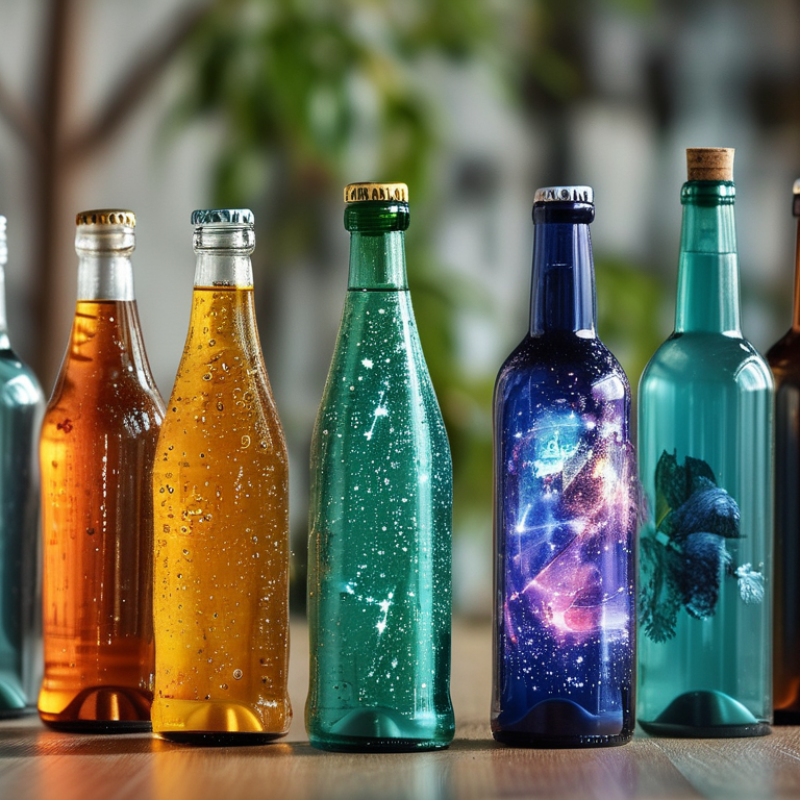
As packaging continues to evolve, global buyers face the challenge of staying ahead of trends. Packaging must balance sustainability, functionality, and aesthetics. Eco-friendly materials are gaining traction. Many consumers prefer biodegradable or recyclable packaging options. It’s important to select materials that align with these preferences.
Consider the shape and size of bottles as well. Unique designs can attract attention. However, functionality should not be sacrificed for looks. Ensure that your choices facilitate ease of use and storage. Experimenting with different textures can also enhance the tactile experience. A rough surface or a smooth finish can communicate different brand values.
**Tips:** When choosing packaging, think about your target audience. What do they value most? Conduct surveys to gather insights. Additionally, stay informed about technological advancements. Innovations like smart packaging can offer added value. Balance these elements carefully. Reflect on past designs and adapt based on customer feedback.
| Trend | Description | Impact on Market | Sustainability Rating |
|---|---|---|---|
| Eco-Friendly Materials | Use of biodegradable and recyclable materials for packaging. | Increased consumer preference for sustainable products. | High |
| Smart Packaging | Integration of technology to monitor freshness and safety. | Enhanced customer engagement and product traceability. | Medium |
| Minimalist Design | Focus on simple and clean design aesthetics. | Attraction of modern consumers seeking simplicity. | Low |
| Integrated Branding | Packaging that promotes brand storytelling. | Strong differentiation in competitive markets. | Medium |
| Flexible Packaging | Adaptation to diverse product sizes and shapes. | Improved efficiency in logistics and storage. | Medium |
| Refillable Packaging | Encouraging repeated use by offering refills. | Reduction in waste and cost savings for consumers. | High |
| Personalized Packaging | Customized packaging solutions for individual consumers. | Enhanced consumer loyalty and brand connection. | Low |
| Color Psychology | Using colors to influence buyer perceptions and emotions. | Stronger emotional engagement with products. | Medium |
| Convenient Closure Systems | Innovative closures for easy access and storage. | Improved user experience and product usability. | Low |
| Augmented Reality (AR) | Enhanced experiences via AR on packaging. | Unique marketing opportunities and consumer engagement. | Medium |
Sustainable packaging is gaining traction among global buyers. As consumers demand eco-friendly options, businesses must adapt. This shift towards green materials is not just a trend; it’s becoming essential for brands to stay relevant.
Many companies are exploring biodegradable alternatives. Materials like plant-based plastics and recycled paper are gaining popularity. These choices help reduce waste and carbon footprints. Moreover, innovation in packaging design allows for lighter, more efficient solutions that use fewer resources.
Tips: Consider using minimalistic designs to reduce material use. Engaging with suppliers who prioritize sustainability is crucial. Regularly assess your packaging strategy, and look for areas to improve. Remember, even small changes can have a significant impact. Reflecting on your choices will enhance your brand’s reputation and contribute positively to the environment.
Innovative bottle designs are transforming user experience in remarkable ways. The shift towards minimalistic designs enhances both aesthetics and functionality. According to a recent industry report, consumers prefer packaging that is visually appealing yet practical. Studies show that 72% of buyers are more likely to purchase products with unique bottle shapes.
Many brands are now exploring eco-friendly materials to align with sustainability goals. For instance, a recent survey found that 65% of consumers are willing to pay more for products in sustainable packaging. While these innovations present opportunities, challenges also exist. Not all materials maintain the desired quality throughout the supply chain. Brands must navigate these complexities to ensure product integrity.
Moreover, the demand for multifunctional packaging is rising. Bottles that can be reused or repurposed have garnered significant interest. However, this trend raises questions about usability. Some consumers find multi-purpose designs confusing or difficult to use. A potential solution could be enhancing educational labeling to guide users. This might help bridge the gap between innovation and practical use, ensuring that customer experience remains central to design strategies.
The rise of smart packaging technologies is transforming the packaging industry. Integrating the Internet of Things (IoT) into packaging allows brands to interact with consumers in novel ways. For instance, products can now provide real-time data about freshness and usage. This not only enhances consumer engagement but also promotes sustainability. Imagine a bottle that communicates its recycling instructions or alerts you when it’s time to reorder.
However, the implementation of IoT in packaging is not without challenges. Many companies grapple with data privacy concerns. Ensuring secure communication between devices is paramount. Additionally, not all consumers understand how to engage with smart packaging. This gap can lead to frustration and underutilization of technology. Effective education and transparency will be crucial for success.
As technology evolves, packaging must adapt to meet consumer needs. The journey is ongoing and requires constant reflection and improvement. Brands must innovate while remaining mindful of user experience. Striking this balance will define the success of smart packaging in the future.
Personalization in packaging has become a vital trend in the global marketplace. Consumers now expect products that resonate with their identities and lifestyles. This shift towards personalization is about more than just aesthetics; it's about creating meaningful connections. Innovative designs, unique shapes, and customizable labels enhance customer engagement. They allow brands to appeal directly to their target audience.
Yet, this trend presents challenges. Not every brand can afford extensive customization or maintain its supply chain efficiency. There is also the risk of overpromising and underdelivering. Brands must carefully assess their capabilities before embarking on personalized packaging solutions. Striking a balance between personalization and practicality is essential. Focusing on consumer preferences while ensuring operational feasibility can lead to better outcomes.
Moreover, sustainability can't be overlooked in personalized packaging. Eco-friendly materials, minimal waste, and recyclable options should be prioritized. The challenge is integrating these aspects into personalization efforts. Consumers value both individual expression and environmental responsibility. Packaging must reflect these values while remaining functional. As the landscape of consumer expectations evolves, brands need to adapt swiftly to thrive in a competitive market.
The article "Top 10 Bottle and Packaging Trends for Global Buyers" highlights significant developments in the industry, emphasizing the increasing demand for sustainability and innovation. As consumers become more environmentally conscious, sustainable packaging solutions are gaining traction, with a focus on eco-friendly materials that minimize environmental impact. Moreover, innovative bottle designs are improving user experience and functionality, catering to evolving consumer needs.
In addition, smart packaging technologies are emerging, utilizing IoT to create interactive and engaging experiences for users. Personalization in packaging has also become a key trend, allowing brands to tailor their offerings to consumer preferences. Finally, recycling initiatives are shaping the future of bottle design, reinforcing the importance of a circular economy in creating sustainable packaging solutions. Overall, these trends in bottle and packaging reflect a dynamic industry responding to both consumer preferences and environmental challenges.