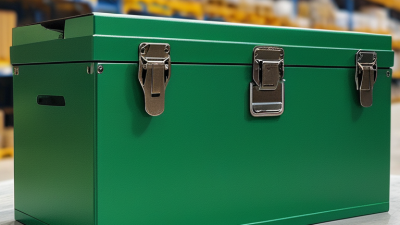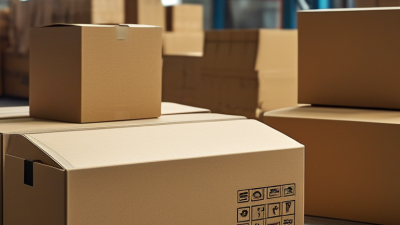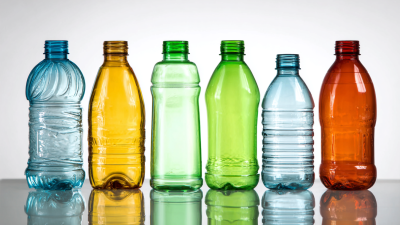

Rigid Packaging refers to containers that keep their shape during filling, storage, transport, and use. Think of a glass jar on a supermarket shelf, a metal can resisting pressure, or a molded plastic bottle held firmly in one hand. Buyers choose these formats for more than appearance. They want protection, predictable stacking, convenient handling, and dependable shelf presentation.
Industry data supports this demand. Grand View Research estimates that the global rigid plastic packaging market will continue expanding through 2030, driven by food, beverage, healthcare, and personal-care applications. Its analysis also identifies bottles, containers, and closures as major product categories. Smithers’ report, The Future of Global Rigid Plastic Packaging to 2029, highlights lightweighting, recyclable materials, and improved barrier performance as important development priorities. These trends show a practical tension: packaging must become lighter, but it cannot become careless.
Performance matters.
In real purchasing decisions, a buyer may test whether a bottle survives pallet compression, whether a cap prevents leakage, or whether a tray protects fragile goods during delivery. The Packaging Machinery Manufacturers Institute also reports continuing investment in automation and packaging efficiency, reflecting pressure to reduce waste and maintain consistent output. Still, no format solves every problem. Rigid Packaging can require more material than flexible alternatives, and recycling results depend on design, local systems, and consumer behavior. Therefore, responsible buyers compare protection, cost, usability, carbon impact, and end-of-life performance before selecting a format. The best choice is rarely the most rigid one. It is the one that protects the product with measured, verifiable efficiency.
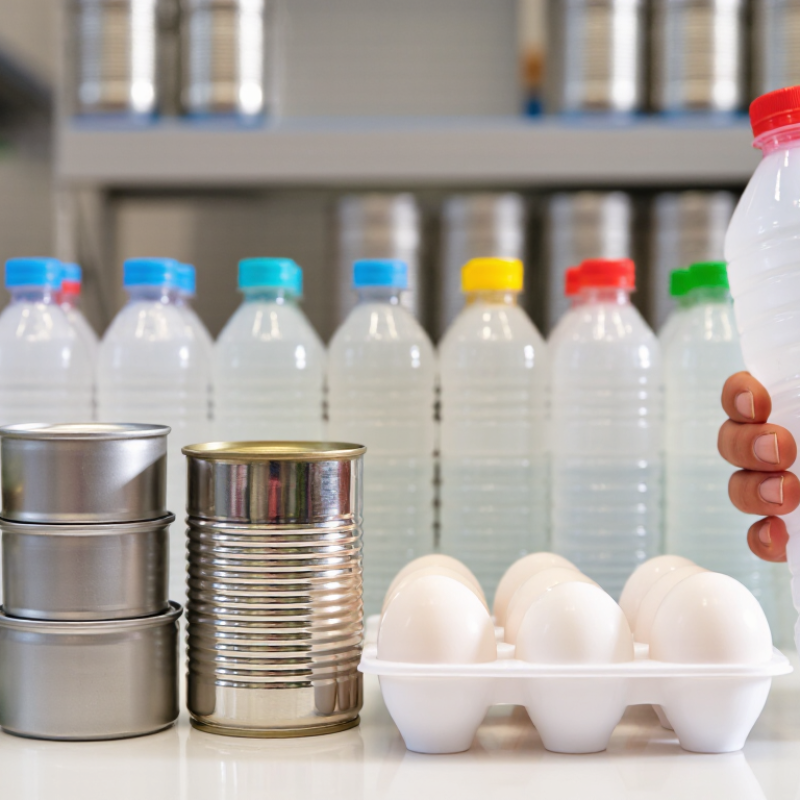
Rigid packaging is a container that keeps its shape during filling, transport, and use. Unlike flexible film or pouches, it resists bending under ordinary handling. Common materials include glass, metal, thick plastic, and paperboard. Each material offers different performance.
A rigid container can protect contents from crushing, punctures, moisture, light, or oxygen, depending on its structure and closure. A well-designed jar, bottle, tray, or carton can also stack neatly on pallets and shelves. Stable dimensions help filling equipment work accurately and reduce movement during shipping. Clear walls may support product inspection, while opaque surfaces can protect sensitive contents from light.
Buyers often examine more than appearance. They check seal reliability, wall strength, opening force, weight, and compatibility with filling temperatures.
In practical packaging evaluations, a container should survive drops, vibration, compression, and repeated handling. Small defects can become expensive leakage or breakage.
Rigid packaging is not automatically sustainable. Heavier materials may require more transport energy, while lightweight designs may offer less protection. Recyclability also depends on material choice, additives, labels, closures, and local processing systems. This is where careful testing and honest material data matter. A package that looks efficient may still create problems after disposal. That deserves review.

Rigid packaging uses firm structures that protect products during filling, storage, transport, and retail display. Its main materials are plastic, glass, metal, and paperboard. Each material behaves differently under pressure, heat, moisture, and recycling systems.
Rigid plastic is lightweight, moldable, and resistant to impact. Common forms include bottles, trays, tubs, and closures. However, material choice matters. The OECD’s Global Plastics Outlook (2022) reports that packaging created about 40% of global plastic waste in 2019. Using mono-material designs can improve sorting, although it does not solve every recycling problem. Glass offers strong chemical stability and a premium appearance. It also protects flavor well, but it is heavy and can break during handling. Metal packaging provides excellent barrier performance against light, oxygen, and moisture. The International Aluminium Institute reports that recycling aluminium uses about 95% less energy than producing primary aluminium. Paperboard is lighter and printable, but moisture resistance often requires coatings that complicate recovery.
Tips: Match the material to the product’s real risks. Test drop strength, seal performance, and shelf-life protection before scaling production. Review local recycling data, not only global averages. A technically recyclable pack may still fail in a poorly equipped system. That detail is easy to overlook.
| Material | Typical Rigid Packaging Formats | Approximate Density | Key Protection Properties | Main Advantages | Common Limitations | Typical End Uses |
|---|---|---|---|---|---|---|
| Glass | Bottles, jars, vials, and food containers | Approximately 2.2–2.6 g/cm³ | Excellent barrier against moisture, oxygen, aromas, and gases; chemically inert for many products | High product visibility, premium appearance, reusable in suitable systems, and widely recyclable | Heavy, relatively fragile, and energy-intensive to transport and melt | Beverages, sauces, cosmetics, pharmaceuticals, and laboratory products |
| Aluminum | Cans, trays, tubes, closures, and foil-based rigid packs | Approximately 2.70 g/cm³ | Very strong barrier against light, oxygen, moisture, and aromas; non-combustible metal structure | Light relative to steel, highly formable, corrosion-resistant when properly coated, and recyclable | Can dent; production requires substantial energy, and coatings may be needed for certain products | Soft drinks, food cans, aerosols, personal-care products, and pharmaceutical containers |
| Steel | Food cans, paint cans, pails, drums, and closures | Approximately 7.85 g/cm³ | Excellent mechanical strength and complete light barrier; strong protection for stacked and transported goods | Durable, puncture-resistant, stackable, and recyclable through established metal-recovery systems | Heavier than aluminum and requires corrosion protection for many applications | Canned foods, coatings, chemicals, industrial products, and household containers |
| PET | Bottles, jars, clamshells, and thermoformed trays | Approximately 1.38–1.40 g/cm³ | Good moisture and gas barrier for many products; clear grades provide product visibility | Lightweight, transparent, strong, shatter-resistant, and commonly collected for recycling in many markets | Heat resistance depends on grade; barrier performance is lower than glass or metal for some gases and aromas | Water, beverages, food, personal care, household products, and medical packaging |
| HDPE | Bottles, jerry cans, caps, pails, and drums | Approximately 0.94–0.97 g/cm³ | Very good moisture barrier and good chemical resistance; opaque grades block most light | Tough, lightweight, impact-resistant, and suitable for many household and chemical products | Limited oxygen and aroma barrier compared with glass or metal; not naturally transparent | Milk containers, detergents, personal-care products, chemicals, and industrial packaging |
| PP | Caps, tubs, pots, trays, bottles, and hinged containers | Approximately 0.90–0.91 g/cm³ | Good moisture barrier, strong fatigue resistance, and better heat resistance than many common packaging plastics | Very lightweight, durable, microwaveable in suitable grades, and well suited to living hinges and closures | Limited oxygen and aroma barrier; recycling access varies by location and packaging format | Yogurt cups, food tubs, medical containers, caps, closures, and reusable storage products |
| Paperboard and Corrugated Fiberboard | Folding cartons, rigid boxes, sleeves, and shipping cases | Fiber density varies; finished board is commonly about 0.5–0.9 g/cm³ | Good cushioning and compression performance when engineered correctly; limited inherent moisture and gas barrier | Lightweight, printable, renewable-fiber-based, efficient to stack, and widely collected for recycling | Sensitive to water and high humidity; coatings, liners, or inserts may be required for demanding products | Dry foods, consumer goods, electronics, e-commerce shipments, and secondary packaging |
Note: Density figures are typical material ranges. Actual packaging performance depends on grade, wall thickness, shape, additives, coatings, closures, and local recycling infrastructure.
Rigid packaging begins with a practical question: what must the container protect? Designers study the product, filling temperature, transport pressure, shelf conditions, and opening habits. A jar for thick cream needs a different wall profile from a bottle for carbonated liquid. Small errors matter.
Engineers then select materials such as PET, HDPE, polypropylene, or glass. They build a three-dimensional model and check wall thickness, neck dimensions, closure fit, and stacking strength. Prototype samples often reveal problems that drawings miss. A cap may feel too tight. A corner may flex during drop testing. It is not perfect.
Manufacturing methods depend on the design and production volume. Injection molding forms precise parts by forcing heated material into a metal mold. Blow molding shapes hollow containers with air pressure. Thermoforming heats a sheet and pulls it over a mold, often for trays and protective inserts. Glass containers require high-temperature forming and careful cooling to reduce internal stress.
Quality teams measure weight, dimensions, leakage resistance, and impact performance. They also inspect clarity, color, seams, and surface defects. Production records should connect each batch with its material and test results. Experienced manufacturers adjust temperature, pressure, and cooling time gradually, rather than changing several variables at once. That approach is slower, but it makes failures easier to understand. Design teams still need to reconsider convenience, recyclability, and material use before approving the final mold.
Density affects package weight, stiffness, material efficiency, transportation impact, and manufacturing decisions. Aluminum and glass provide high rigidity but are denser, while HDPE and PP offer lower-weight options commonly formed by injection molding, extrusion blow molding, or thermoforming. Values represent typical material densities at room temperature: PET 1.38, HDPE 0.95, PP 0.91, PS 1.05, soda-lime glass 2.50, and aluminum 2.70 g/cm³.
Rigid packaging uses materials that hold their shape during handling, storage, and display. Common options include glass, metal, and molded plastic. Buyers often choose it because the package feels stable before the product is even opened. That physical confidence matters on crowded shelves.
Protection is a major advantage. A rigid container can reduce crushing, leakage, and damage from repeated movement. Its firm walls also help protect contents from moisture, air, light, or temperature changes, depending on the design. In practical packaging checks, small details matter. A secure closure, smooth rim, and strong base can prevent frustrating failures. Nobody enjoys a damaged product.
Rigid formats also support efficient filling and presentation. Their consistent shape helps machines handle them with fewer interruptions. Clear surfaces can reveal the product, while textured finishes improve grip and visual appeal. Buyers may also appreciate resealable designs that fit ordinary routines, such as storing a container in a kitchen cabinet or carrying it in a work bag.
However, rigid packaging is not automatically the better choice. It can weigh more, occupy extra transport space, and require more material. That can increase shipping costs and environmental pressure. A responsible buyer should examine recycled content, recyclability, package-to-product ratio, and local recovery systems. The best design is not simply the hardest one. It balances protection, convenience, cost, and realistic end-of-life options.
Rigid packaging keeps its shape during filling, storage, and transport. Unlike flexible films, it offers firm walls and predictable protection. Buyers often choose it when products need stacking strength, clean presentation, or protection from crushing.
Its applications are broad. Food producers use jars, tubs, trays, and bottles for sauces, snacks, dairy products, and dry ingredients. Healthcare packaging may use rigid containers for tablets, liquids, and medical components. Cosmetic products often rely on rigid bottles or compact containers because they feel stable in the hand. Electronics, hardware, and household goods also benefit from molded trays, boxes, and protective cases.
Selection should begin with the product itself. A moisture-sensitive powder needs a stronger barrier than a dry metal part. Light-sensitive contents may require tinted or opaque material. Check the closure carefully, especially when leakage or repeated opening is possible. The package must also match filling equipment, warehouse stacking, and delivery conditions. Small details matter. A weak hinge can damage the whole user experience.
Material choice deserves equal attention. Plastic, glass, metal, and paper-based rigid structures each offer different weight, durability, visibility, and recovery options. Glass can feel premium but may increase shipping weight and breakage risk. Plastic may reduce weight, yet its recycling route depends on local systems. Cost should include transport, storage, defects, and disposal, not only the purchase price. No option is perfect. Buyers sometimes prioritize appearance too early, then discover that the package wastes space or performs poorly on a real distribution route. A short trial with filled samples is often more reliable than a decision based on drawings alone.