What is Rigid Packaging and Why is it Important?
Rigid packaging plays a crucial role in modern industries, ensuring product safety and enhancing consumer appeal. According to a report by Smithers Pira, the global rigid packaging market is expected to reach $500 billion by 2025, growing at a CAGR of 5.8%. This growth highlights the importance of robust packaging solutions.
Experts like Dr. Laura Johnson, a leading authority in packaging technology, emphasize, "Rigid packaging not only protects products but also acts as a critical marketing tool." Her insights reflect the dual function of rigid packaging in both safeguarding goods and influencing consumer choices.
As the industry evolves, companies must address challenges such as sustainability and changing consumer preferences. Despite advancements, many brands still rely on outdated materials and designs. Adapting to new standards and eco-friendly practices remains vital. The future of rigid packaging relies on innovation and responsiveness to market needs.
Definition and Characteristics of Rigid Packaging
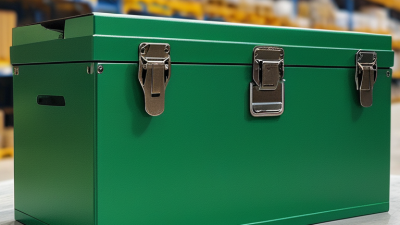
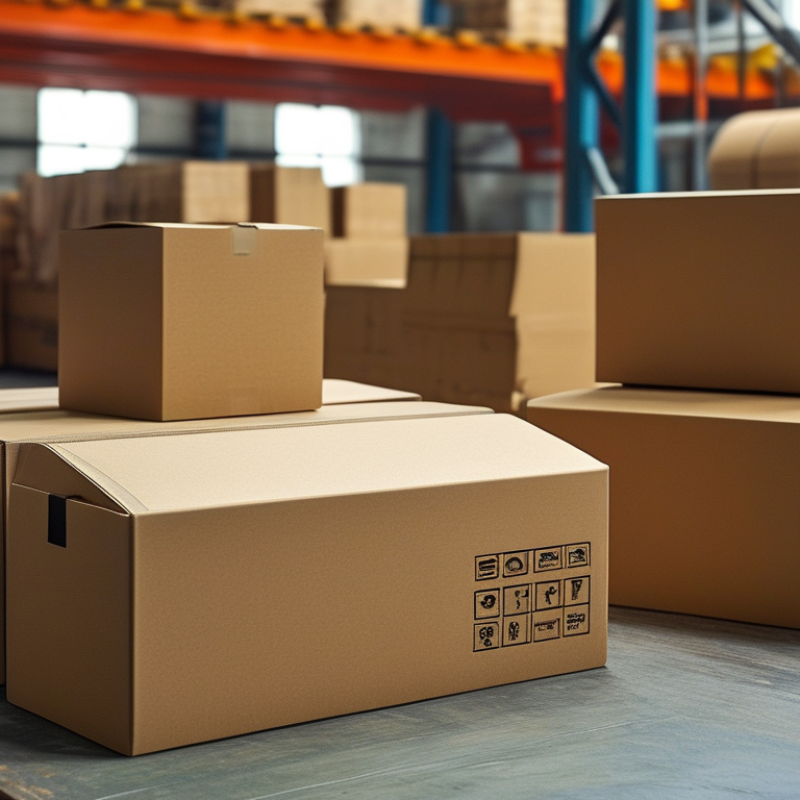
Rigid packaging plays a crucial role in the modern marketplace. It encompasses materials like plastic, metal, and glass. These materials are designed to protect products while ensuring they remain intact during transport and storage. Rigid packaging is not just about protection; it also conveys information and branding. A well-designed package enhances customer appeal.
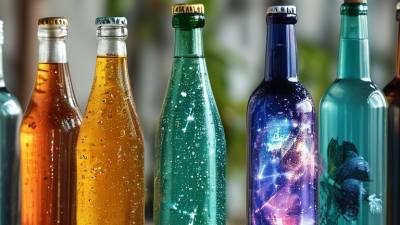
One key characteristic of rigid packaging is its durability. This type of packaging is resistant to physical damage and environmental factors. For instance, glass bottles can safeguard beverages from contamination, while metal containers prevent leaks. Consumers often prefer products in rigid packaging, as it feels more substantial and trustworthy. However, this attribute can sometimes lead to waste if not recycled properly.
Another aspect to consider is the environmental impact. Rigid packaging often uses more resources than flexible options. This raises questions about sustainability. Companies face challenges in balancing packaging performance with eco-friendliness. Finding innovative solutions is essential for reducing waste. Rigid packaging indeed holds importance, but it also invites reflection on its lifecycle and environmental footprint.
Types of Rigid Packaging Materials and Their Uses
Rigid packaging encompasses various materials that provide strength and structure for products. Common materials include glass, metal, and certain plastics. Each material serves specific purposes and industries, influencing how products are presented and preserved.
Glass is a popular choice for food and beverages. It is non-reactive and recyclable. However, it can be heavy and prone to breakage. Consumers appreciate glass for its elegance and purity but may hesitate due to its fragility. Metal containers, like aluminum cans, have excellent barrier properties. They protect against light, air, and moisture. This makes them suitable for long-term storage of perishable items. Yet, the production process can involve significant energy use.
Plastic is versatile and widely used. Polypropylene and PET are common options. They are lightweight and can be molded into various shapes. However, some plastic types face criticism due to environmental concerns. Rigid packaging is essential in achieving product safety and quality. Be mindful of material choices to balance functionality and sustainability. Consider the product's purpose and target audience. This will guide optimal packaging decisions for business success.
Benefits of Rigid Packaging for Product Protection
Rigid packaging plays a crucial role in product protection. Its solid structure helps shield contents from damage during transit. Products like electronics, cosmetics, and food items benefit significantly from this type of packaging. The durability of rigid materials prevents impacts, moisture, and contaminants from affecting the product inside. For example, a glass bottle can effectively shield its contents from breakage, while a sturdy plastic container keeps food fresh and uncontaminated.
The weight of rigid packaging can sometimes raise concerns. Heavier materials may increase shipping costs. However, the protection offered often outweighs these costs. Companies must carefully evaluate their packaging choices to find the right balance. Sometimes manufacturers may opt for less protective packaging to cut costs, risking damage and customer dissatisfaction. Striking the right balance is a critical reflection for businesses wanting to maintain quality while keeping expenses manageable.
Consumer perception also hinges on packaging. Eye-catching designs can attract customers, but functionality is key. A beautifully designed container will lose value if it doesn't protect its contents. Therefore, businesses need to consider both aesthetics and practicality. Emphasizing the importance of rigid packaging ensures products reach consumers in optimal condition while maintaining brand integrity.
Environmental Impact and Sustainability of Rigid Packaging
Rigid packaging plays a significant role in environmental sustainability. According to a report by the Environmental Protection Agency, packaging accounts for about 30% of total waste in landfills. This highlights the importance of choosing materials that are not only durable but also recyclable. Rigid packaging, such as plastics and glass, often has a longer life cycle compared to flexible options. This can result in less frequent replacements and lower overall material usage.
However, challenges remain. Recycling rates for rigid packaging are still relatively low. The Association of Plastics Recyclers states that only about 9% of plastic is actually recycled in the U.S. This gap suggests that while rigid packages can significantly reduce waste, the infrastructure for recycling must improve. Many consumers are unaware of local recycling regulations, complicating the process further.
Sustainability in rigid packaging also requires innovation. For instance, some companies are developing biodegradable alternatives that still maintain the durability of traditional materials. The global market for sustainable packaging is projected to reach $500 billion by 2027, according to industry analysts. This highlights a growing demand for responsible practices. The journey towards better rigid packaging practices is ongoing, and it calls for collective effort from manufacturers, consumers, and policymakers alike.
Trends and Innovations in Rigid Packaging Solutions
Rigid packaging has been evolving rapidly, driven by innovation and the demand for sustainability. Companies are increasingly using materials that provide durability and protection. Rigid packaging offers advantages like better product shelf life and consumer safety. Many brands are now focusing on eco-friendly materials to reduce environmental impact. These sustainable options include bioplastics and recycled materials, which appeal to environmentally conscious consumers.
In addition to sustainability, customization is becoming a key trend. Brands seek unique shapes and designs for differentiation. Creative packaging can enhance visibility on shelves. Enhanced graphics and interactive designs attract consumer attention. However, it's crucial to balance aesthetics with functionality. Often, the functional aspect can be overlooked in the quest for eye-catching designs.
The shift towards smart packaging is noteworthy. Technologies like QR codes and NFC can enhance customer engagement. These features provide additional information about the product, improving transparency. However, the integration of technology might complicate the packaging process. Companies must ensure that the end product remains user-friendly. As the market evolves, constant innovation and reflection will be essential to meet changing consumer preferences.
What is Rigid Packaging and Why is it Important? - Trends and Innovations in Rigid Packaging Solutions
| Dimension |
Data |
| Market Size (USD Billion) |
250 |
| CAGR (2023-2028) |
5.8% |
| Key Material Types |
Plastic, Glass, Metal |
| Primary End Users |
Food & Beverage, Personal Care, Pharmaceuticals |
| Innovative Trends |
Sustainable Materials, Smart Packaging Technologies |
| Major Challenges |
Material Sourcing, Recycling Processes |