What is Waterjet Cutting Machinery and How Does It Work?
waterjet cutting machinery is a fascinating blend of engineering and technology. It uses high-pressure water to cut through various materials. This method is precise, making it ideal for intricate designs. Industries like manufacturing and construction benefit from its efficiency. Waterjet cutting is versatile. It can handle everything from metals to stone.
While it's an impressive tool, there are some concerns. Maintenance can be challenging. Keeping the machinery in top shape is essential for accuracy. Also, the costs might be high for some smaller businesses. Yet, the benefits often outweigh these drawbacks.
Many users appreciate the clean cuts produced. Unlike other methods, waterjet cutting does not create heat-affected zones. This feature minimizes damage to materials. However, it's important to understand the learning curve involved. Operators must be trained to use the machinery effectively. Overall, waterjet cutting machinery represents a significant advancement in cutting technologies.
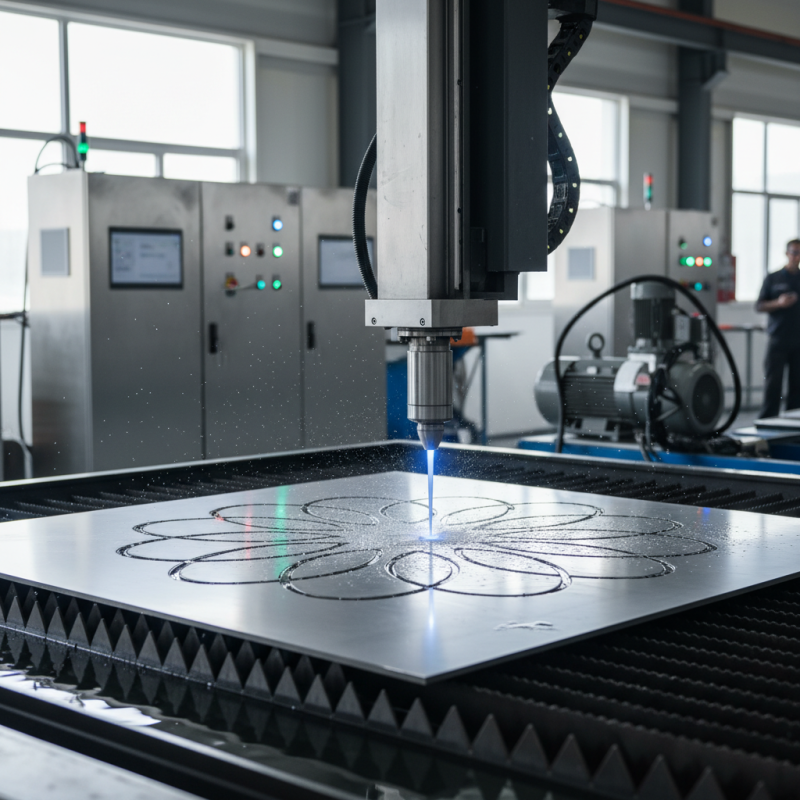
What is Waterjet Cutting Machinery?
Waterjet cutting machinery utilizes high-pressure water jets to cut materials. This technology is versatile and eco-friendly. It uses a mixture of water and abrasive materials. Water is typically pressurized to over 60,000 psi. This process allows for precision cutting in various industries, from aerospace to automotive.
The global waterjet cutting market is projected to reach $2.2 billion by 2027, according to industry reports. Such growth stems from the demand for efficient and sustainable cutting solutions. Many manufacturers prefer this method due to its ability to cut without heat, avoiding material deformation. Waterjet cutting is also capable of handling complex shapes, which is not possible with traditional cutting methods.
However, not all manufacturers have adopted this technology. Some still rely on older methods, leading to inefficiencies. Training and maintenance can be a hurdle. The initial costs can deter businesses from making the switch. Understanding these challenges is crucial for companies considering modernizing their cutting techniques. This emerging technology, while promising, comes with its own set of obstacles.
History and Development of Waterjet Cutting Technology
Waterjet cutting technology has a fascinating history. It began in the 1930s when a researcher explored the potential of using high-pressure water. Early attempts were rudimentary and often inefficient. They faced many challenges, making them impractical for widespread use. However, innovations in the 1950s took a leap forward. Engineers began refining the machinery, allowing for better precision and efficiency.
By the 1970s, waterjet cutting saw significant advancements. The introduction of abrasive particles with water revolutionized the process. This development made it possible to cut harder materials, such as metal and stone. As the technology progressed, industries took notice. Manufacturers began adopting waterjet cutting for its versatility and effectiveness. Yet, challenges remained. The energy consumption of machines and the need for specialized maintenance were concerns.
The evolution of waterjet cutting reflects continuous improvements. Today, the technology is widely used but not without its drawbacks. Operators must still navigate the complexities of machine settings. Keeping up with maintenance can be demanding as well. Overall, the journey of waterjet cutting is one of innovation, filled with obstacles and breakthroughs.
How Waterjet Cutting Works: The Process Explained
Waterjet cutting employs high-pressure water streams to cut through various materials. The process begins with pumping water at incredibly high pressures, often exceeding 60,000 psi. This water accelerates through a small nozzle, creating an extremely sharp jet. By incorporating abrasive materials, the cutting capability is enhanced, allowing it to tackle harder substances like metal or stone.
One crucial aspect of waterjet cutting is its precision. Reports indicate that this technology can achieve tolerances of 0.005 inches, making it ideal for intricate designs. The absence of heat in the cutting process minimizes warping and alterations in material properties. Waterjet cutting remains versatile across sectors, from manufacturing to art.
Tip: Ensure proper maintenance of machinery. Regular checks can prevent unexpected downtime and maintain cutting efficiency.
An important consideration is the waste produced during the cutting process. Companies often overlook the disposal of sludge that arises from mixing water and abrasive particles. While recycling options exist, engaging with specialized services for disposal is critical. Ignoring this can lead to environmental challenges and regulatory issues in the future.
Tip: Evaluate the thickness of material before cutting. Knowing the material's depth can enhance cutting speed and reduce wear on equipment.
Applications of Waterjet Cutting in Various Industries
Waterjet cutting is a versatile technology utilized across various industries. This method uses high-pressure water jets, often mixed with abrasive materials, to cut through tough materials. It works effectively on metals, ceramics, glass, plastics, and more.
In the automotive industry, waterjet cutting enhances precision in crafting components. It allows for intricate designs without generating heat, preserving the material's properties. For aerospace applications, the technique provides the ability to cut lightweight materials while reducing waste. Additionally, the manufacturing sector benefits as waterjet cutting ensures a clean edge with minimal finishing required.
Tips: Regular maintenance of waterjet machinery is crucial. Check the pumps and nozzles frequently. Improper upkeep may lead to inefficiencies or costly repairs. Each cut should be assessed for accuracy. A slight misalignment could compromise the final product quality.
In the food industry, waterjet technology finds an interesting place. It can cut through meats and vegetables with precision. However, hygiene is vital here. Make sure to follow all sanitary guidelines during operation. Product safety should never be sacrificed for speed.
Advantages and Limitations of Waterjet Cutting Machinery
Waterjet cutting machinery utilizes a high-pressure stream of water, often mixed with abrasive materials, to cut through various materials. This technology offers unique advantages. One major benefit is its ability to cut thick materials without generating heat. This prevents warping, which is crucial for metals. Another advantage is its versatility; waterjet cutting can handle materials like glass, stone, and composites with ease.
However, there are limitations to consider. Waterjet cutting can be slower than other methods, especially for large quantities. The setup can be complex, requiring skilled operators to manage the equipment. Maintenance is necessary, and this can be costly over time. Additionally, the finished edges may require further processing, which can add to production time.
Despite its benefits, waterjet cutting doesn’t always produce the desired precision for intricate designs. Operators need to be aware of these factors. Reflecting on these advantages and limitations allows users to make informed decisions about the best cutting methods for their projects.