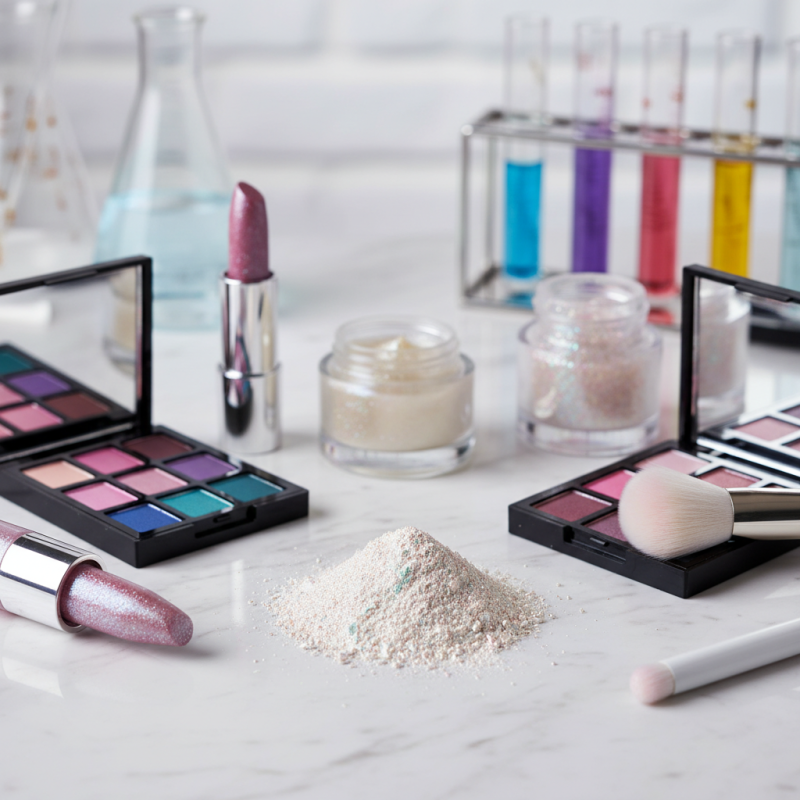
How to Use Synthetic Mica Powder in Beauty Products?
synthetic mica powder is gaining popularity in the beauty industry. This shimmering mineral is not only visually appealing but also versatile. Many brands are incorporating synthetic mica into their formulas for various reasons.
It provides a smooth texture, enhancing the application of products. Additionally, synthetic mica powder offers a vibrant color payoff without harmful effects. Unlike natural mica, it poses fewer ethical concerns related to mining and labor practices. However, there are challenges in sourcing quality synthetic mica that meets safety standards.
As consumers, we need to reflect on our choices in beauty products. The growing demand for synthetic mica showcases evolving sustainability practices. Yet, we must be cautious about the sourcing and manufacturing processes. Understanding synthetic mica powder is essential for both brands and consumers alike.
Understanding Synthetic Mica Powder: Composition and Properties
Synthetic mica powder is a versatile ingredient in beauty products. It is made from silica and other minerals, offering unique properties that enhance formulations. This powder is known for its shimmering effect, helping to create that coveted glow in makeup. Additionally, it is lightweight and non-toxic, making it appealing for various cosmetics.
Tips: When using synthetic mica, consider particle size. Smaller particles provide a more subtle sheen, while larger ones deliver bolder effects. Experiment with different concentrations to find the perfect balance in your products.
The composition of synthetic mica allows it to be easily blended into formulations. It can improve the texture of creams and powders, creating a silky feel. However, achieving the right blend takes practice. Overusing can lead to a gritty texture, which detracts from the final product.
Tips: Always test your formulations. Small batches can help you refine the texture and shine. Keep experimenting until you achieve your desired effect.
Benefits of Using Synthetic Mica Powder in Beauty Products
Synthetic mica powder has gained popularity in the beauty industry. It offers several advantages when used in cosmetics and personal care products. One significant benefit is its versatility. This fine powder can enhance the texture and appearance of various formulations. According to a recent market report, the demand for synthetic mica in cosmetics has surged by over 20% in the last three years.
Another key advantage is its ability to provide a shimmering effect without the environmental impact associated with natural mica mining. Natural mica extraction has faced scrutiny due to ethical concerns. In contrast, synthetic mica is sourced and processed without causing harm to ecosystems. A study highlights that nearly 70% of consumers prefer cosmetics that utilize environmentally friendly ingredients.
Synthetic mica also offers enhanced stability in formulations. It can withstand changes in temperature and humidity better than natural mica. This stability translates into longer-lasting beauty products. However, some formulators may struggle to achieve the desired finish. Balancing synthetic mica with other ingredients can be a challenge. It requires careful experimentation and formulation strategies.
Usage of Synthetic Mica Powder in Beauty Products
How to Incorporate Synthetic Mica Powder in Formulations
Synthetic mica powder has gained popularity in beauty formulations due to its unique properties. Its shimmering effect can enhance the appearance of products. This powder is versatile, making it suitable for various applications, from cosmetics to skincare. According to market research, the global synthetic mica market is expected to grow significantly, reflecting a 15% annual increase.
When incorporating synthetic mica powder, consider the particle size. Finer particles offer a smoother finish. This can improve the texture of products like foundations and highlighters. However, achieving the right concentration is crucial. Too much can lead to an overly shiny effect. Industry experts recommend starting with a low percentage and gradually increasing based on the desired result.
Texture and feel matter in formulations. Synthetic mica can add a luxurious touch. It improves product spreadability and skin feel. Yet, not every consumer prefers high-shimmer products. Some may seek a more natural look. Balancing shine and matte finishes is essential. Addressing different skin types and preferences can broaden your market appeal. Always conduct consumer testing for feedback on formulations.
Application Techniques for Synthetic Mica in Makeup and Skincare
Synthetic mica powder has become a popular ingredient in beauty products. Its shimmering effect can elevate both makeup and skincare formulations. When using synthetic mica, technique is key.
For makeup, consider the application method. Use a flat brush to apply synthetic mica powder as an eyeshadow. This can create a dramatic look. However, be cautious. Too much product can lead to a messy finish. Blending is essential. A makeup sponge can help in creating an even, soft look. Experimenting with layering can yield stunning results, but it requires practice.
In skincare, synthetic mica can add a subtle glow. Mix it into your moisturizer for a radiance boost. A little goes a long way. Applying too much can lead to a greasy appearance. Key here is balance. Take time to find the right amount for your skin type. Achieving that perfect glow might not happen overnight. Don’t be afraid to adjust your formula based on your unique needs. Keep refining your technique for the best results.
Safety Considerations for Using Synthetic Mica in Cosmetics
When incorporating synthetic mica powder into beauty products, safety should be a top priority. Synthetic mica is popular due to its shimmering finish and non-toxic nature. However, the source of the synthetic mica matters. Always choose high-quality materials from reputable suppliers. Not all synthetic mica is created equal. Some may contain harmful additives. Proper research is key.
Skin reactions can occur with any cosmetic ingredient. Conduct patch tests to check for sensitivity. Even though synthetic mica is generally safe, individual reactions vary. Monitor for redness, itching, or swelling. It’s vital to listen to your skin. Consider that some people may have allergies to even safe substances.
Moreover, the manufacturing process of synthetic mica can raise concerns. Ethical production practices are essential. Transparency from suppliers can ensure you avoid products with exploitative labor practices. This awareness fosters a safer beauty community for all. Strive to learn more about the materials used in your cosmetics. A bit of extra effort goes a long way in choosing safe, ethical products.