Top 10 Veneers For Wall Paneling You Should Consider?
When considering aesthetics and functionality for wall paneling, Veneers For Wall Paneling emerge as an attractive choice. They offer a blend of style and sustainability, making them a favorite among designers and homeowners alike. The variety available in the market allows for unique expressions within any space.
Many people overlook the importance of selecting the right veneer. The choice can significantly impact the room’s overall vibe. It’s essential to evaluate your needs, the room's purpose, and your personal style. Carefully chosen veneered panels can create a cozy feel or a modern edge. However, the wrong choice may lead to an unsatisfactory outcome.
Investing time in understanding veneers is crucial. Each option has distinct features, grain patterns, and finishes. Some may require more maintenance, while others are more durable. It's vital to weigh these aspects against your lifestyle. Ultimately, selecting the perfect veneers for wall paneling can transform your living space.
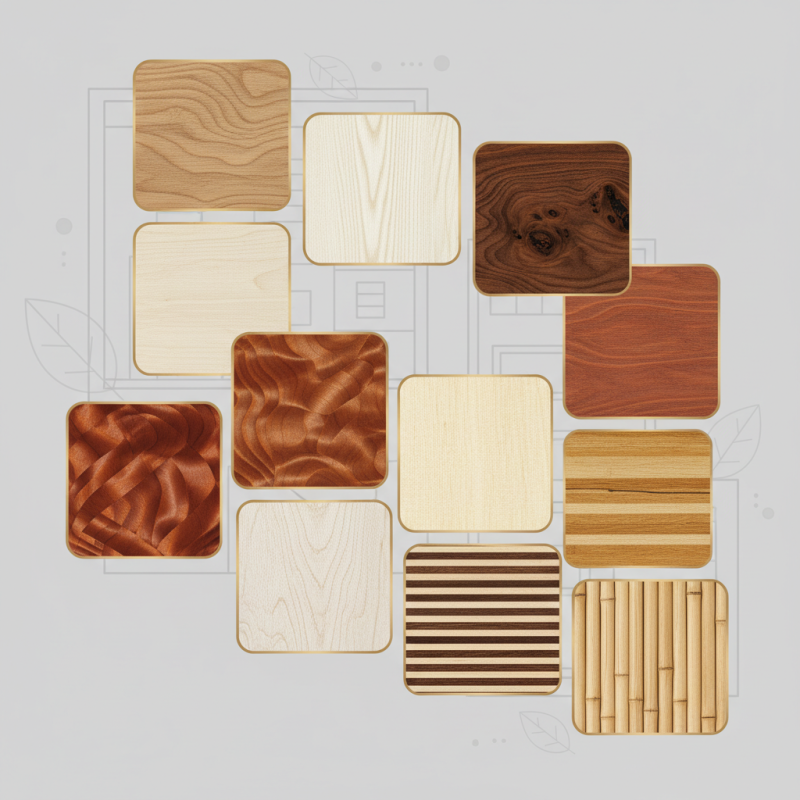
What Are Wall Paneling Veneers and Their Benefits?
Wall paneling veneers are thin layers of wood applied to surfaces for aesthetic appeal. These veneers can transform any room, offering a stylish finish to walls. According to a report by the Wood Products Council, the installation of wood veneers can enhance a home’s value by up to 10%. This is due to the warmth and character they introduce to spaces. With various wood types available, homeowners can choose from options like oak, maple, or cherry to suit their taste.
Using veneers provides several benefits beyond aesthetics. They are a more sustainable option compared to solid wood. Reports indicate that veneer production uses up to 95% less wood than solid lumber. This approach minimizes environmental impact while still delivering beautiful surfaces. Additionally, veneers are less prone to warping and splitting compared to solid wood. However, relying solely on veneers can lead to challenges, like damage that requires skilled repair.
Veneer finishes can range from glossy to matte, affecting both appearance and maintenance. Wood veneers need regular care, unlike painted surfaces that often require less attention. For those considering this option, weighing the benefits against potential maintenance is essential. Quality installation is vital for longevity, yet expertly installed veneers can last for decades.
Types of Veneers Used for Wall Paneling Explained
Veneers for wall paneling have gained popularity due to their aesthetic appeal and versatility. Wood veneers remain the most common choice, providing a natural look. Reports show that the global wooden veneer market is projected to reach $2.5 billion by 2027. This growth reflects their durability and timeless charm in interior design.
Another type is reconstituted veneers, made from layers of engineered wood. These veneers provide consistent quality and eco-friendly options for builders. They often mimic the appearance of rare woods, offering homeowners beauty without the cost. A study by the Forest Products Laboratory highlights that engineered wood products can reduce deforestation concerns while maintaining structural integrity.
Lastly, bamboo veneers represent an emerging trend. Bamboo's rapid growth makes it a sustainable choice. It offers a unique texture and warmth to interiors. However, some may argue about its long-term durability compared to traditional wood. It's essential to weigh these factors to select the right veneer for your wall paneling. Each type has strengths and weaknesses that deserve careful consideration in your design project.
Top Factors to Consider When Choosing Veneers for Walls
When selecting veneers for wall paneling, consider several key factors. First, assess the type of wood. Different woods offer unique aesthetics and durability. Some may warp in humidity, while others stand the test of time. You want a veneer that complements your space and holds up well.
Next, think about the finish. A glossy finish can enhance the color, while a matte finish gives a more subdued look. The choice of finish impacts not only appearance but also maintenance. Glossy surfaces may require more frequent cleaning to maintain their shine, while matte surfaces can hide imperfections well.
Tips for choosing veneers include evaluating the grain patterns. Each veneer has distinct characteristics that can either enhance or detract from your overall design. Don't hesitate to request samples to visualize how they fit into your space. Pay attention to the installation method as well. Some veneering techniques can be more forgiving than others, especially for DIY projects. The right choice will ensure a polished look with minimal hassle.
Top 10 Veneers For Wall Paneling You Should Consider
| Veneer Type | Wood Species | Thickness (mm) | Color Options | Finish Types | Applications |
| Natural Veneer | Oak | 0.6 | Light, Dark | Matte, Glossy | Residential, Commercial |
| Reconstituted Veneer | Birch | 0.5 | Various Colors | Satin, Semi-gloss | Office, Retail |
| Backed Veneer | Walnut | 0.8 | Dark Brown, Rich Grain | Lacquer, Oil | Luxury Homes, Restaurants |
| Wood Laminate | Teak | 1.0 | Amber, Golden | Textured, Glossy | Kitchens, Bathrooms |
| High-Pressure Laminate | Maple | 1.5 | Cream, Beige | Gloss, Matte | Commercial Spaces |
| Wood Veneer Sheets | Cherry | 0.7 | Rustic Red, Warm | Polyurethane | Furniture, Walls |
| Phenolic Backed Veneer | Ash | 0.9 | Grey, Natural | Smooth Finish | Hospitals, Schools |
| Bamboo Veneer | Bamboo | 1.0 | Light Beige | Natural Finish | Eco-Friendly Projects |
| Acoustic Veneer | Recycled Materials | 1.2 | Various Options | Acoustic Coating | Theaters, Studios |
Review of the Top 10 Veneers for Wall Paneling
When considering veneers for wall paneling, it’s essential to focus on quality and aesthetics. Veneers offer a versatile alternative to traditional wood. They can transform a space with their natural beauty. A well-chosen veneer creates an inviting atmosphere. It also adds a touch of sophistication to your interior.
Different types of veneers cater to various design preferences. For instance, oak veneers provide a classic look. They have prominent grain patterns that enhance any room. Maple veneers offer a lighter tone, infusing spaces with warmth and brightness. On the other hand, walnut veneers bring a rich, dark elegance to a modern setting. Each option presents unique textures and colors that can elevate the decor.
While selecting veneers, consider the installation process. Some may require professional help, adding to the overall budget. Additionally, not all veneers are equally durable. Thin veneers might be more cost-effective but less long-lasting. It’s crucial to reflect on your long-term needs. Making an informed choice can lead to a beautiful and sustainable wall paneling solution.
Top 10 Veneers for Wall Paneling
Installation Tips for Veneers on Wall Paneling
When installing veneers on wall paneling, preparation is key. Start by selecting a clean, dry surface. Repair any imperfections on the wall. If there are holes or cracks, fill them appropriately. A well-prepared surface enhances adherence and ensures a smoother finish.
During installation, consider using a quality adhesive. Apply it evenly to avoid bubbles and wrinkles. Press the veneer firmly, allowing it to conform to the surface. Use a roller for a uniform bond, paying attention to corners and edges. Don't rush; take your time to position each piece correctly. Remember, small mistakes can be noticeable later.
Monitor the environment while working. Humidity and temperature can affect adhesion. If conditions aren't ideal, keep an eye on the bond during the curing period. Measure accurately to minimize waste. Ensure your cuts are precise; rough edges can compromise the look. Learning from small errors during the process will improve your skills for future projects.