Top 10 Benefits of PP Woven Bags for Your Packaging Needs?
In recent years, the demand for sustainable packaging solutions has risen significantly. Industries are increasingly turning to PP Woven Bags for their versatility and strength. According to a report by Smithers Pira, the global market for woven polypropylene bags is projected to reach $6 billion by 2025. These bags are not just popular; they offer numerous benefits that cater to various packaging needs.
PP Woven Bags are made from polypropylene, a material known for its durability and resistance to moisture. Their lightweight nature makes them ideal for transporting goods without adding significant weight. Furthermore, these bags are recyclable, which aligns with the growing trend towards eco-friendly packaging. However, manufacturers must ensure they implement sustainable practices during production. Some bags may still contribute to plastic waste if not recycled properly.
While the advantages are clear, there are challenges. Not all businesses understand the full potential of PP Woven Bags. Misconceptions about their cost-effectiveness can hinder broader adoption. Industries should reflect on how to effectively incorporate these bags into their packaging strategies. Embracing PP Woven Bags may lead to operational improvements and a reduced environmental footprint.
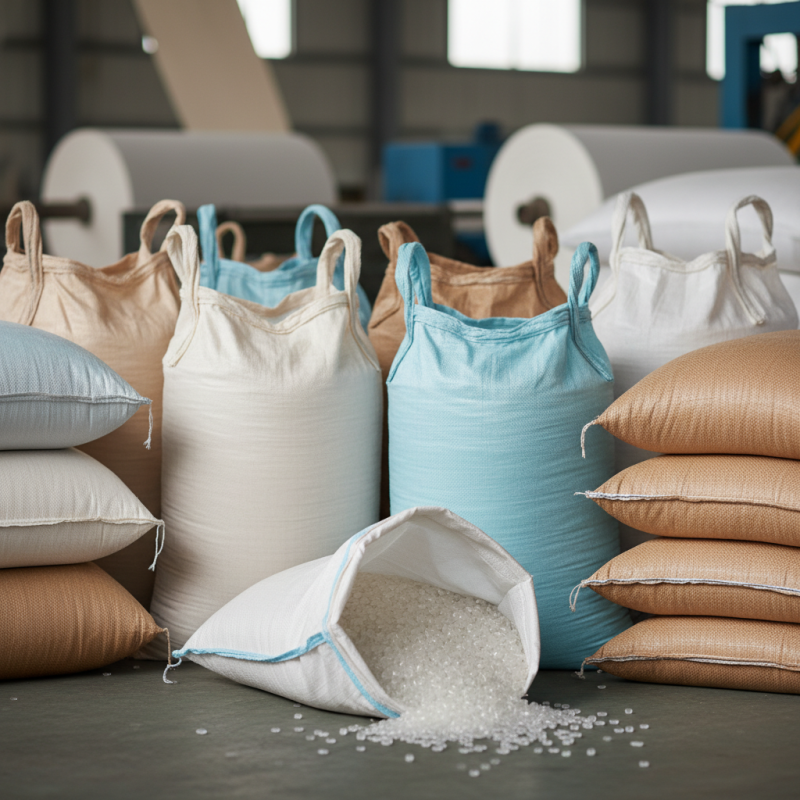
Advantages of Durability and Strength in PP Woven Bags
PP woven bags have gained popularity for various packaging needs. Their durability stands out in many applications. These bags are made from high-quality polypropylene, which offers remarkable strength. This strength allows them to carry heavy loads without tearing. They can withstand rough handling during transport.
Another aspect of their durability is weather resistance. PP woven bags perform well in different climates. They are less likely to degrade under exposure to moisture or UV light. However, not all woven bags are created equal. Sometimes, inconsistencies in manufacturing can lead to weaknesses in certain bags. It is crucial to check the specifications before making a purchase.
In terms of practicality, these bags are reusable and recyclable. This aligns well with the growing trend towards sustainability. Nevertheless, the recycling process is not always straightforward. Some facilities may not accept them. As with many eco-friendly options, it is worth considering how to reuse bags creatively. This adds value while minimizing waste.
Cost-Effectiveness of Using PP Woven Bags for Packaging
When it comes to packaging, cost-effectiveness is crucial. PP woven bags offer an economical solution without sacrificing quality. According to a recent industry report, these bags often cost 30-50% less than traditional packaging options. This significant savings make them appealing for businesses looking to reduce operational costs.
PP woven bags are lightweight yet sturdy. They can carry heavy loads, which is essential for many industries. This durability minimizes the risk of damage during transport. Manufacturers report that switching to PP woven bags has led to a 20% decrease in product loss due to breakage. However, businesses must consider the initial investment in machinery to produce these bags.
Moreover, their versatility allows for various applications, from agriculture to retail. Some estimates suggest that over 1 million tons of PP woven bags are produced globally each year. As demand rises, it’s important to reflect on the environmental impact. While PP woven bags are recyclable, not all facilities accept them. This creates challenges in sustainability efforts. Balancing cost and environmental responsibility is a complex issue that businesses must navigate.
Environmental Benefits of Recycling PP Woven Bags
PP woven bags offer numerous environmental advantages, particularly when it comes to recycling. These bags are made from polypropylene, a material that can be reused and repurposed. When disposed of correctly, they can significantly reduce landfill waste. Many communities now have recycling programs tailored for these bags, making it easier for consumers to participate.
Recycling PP woven bags also conserves resources. It reduces the need for new raw materials, minimizing energy and water consumption. However, not all bags are recycled effectively. Some end up in landfills due to contamination or improper disposal. This issue highlights the importance of consumer education on correct recycling practices.
Additionally, when recycled, PP woven bags can be transformed into new products. This process encourages a circular economy, where materials are reused rather than discarded. However, the infrastructure for recycling needs improvement in many areas. This gap might hinder the effective recycling of these bags. For meaningful change, community engagement and awareness are crucial in enhancing recycling rates.
Versatility of PP Woven Bags for Various Industries
PP woven bags offer remarkable versatility for various industries. They can be used in agriculture, construction, and retail. In agriculture, they transport grains, seeds, and fertilizers. These bags resist moisture and pests, ensuring product safety. In construction, they hold materials like sand, gravel, and concrete, proving their strength and durability.
Retailers also find these bags valuable. They are lightweight yet strong, making them ideal for shopping. Customers appreciate their reusability and eco-friendliness. However, some businesses struggle with the perception that woven bags are less stylish than paper bags. This can hinder their adoption in high-end retail contexts. Moreover, the production process can be resource-intensive. Companies should reflect on balancing sustainability with their branding.
Different sizes and colors enhance customization. Some industries require specific sizes for unique products. This adaptability is where PP woven bags shine. Despite their many benefits, it's essential to consider potential downsides. There may be limitations in print quality for branding. Thus, the focus on improving aesthetics remains crucial for broader acceptance.
Top 10 Benefits of PP Woven Bags for Your Packaging Needs
The following chart illustrates the various benefits of PP woven bags across multiple industries, highlighting their versatility and usage.
Customizability and Branding Opportunities with PP Woven Bags
PP woven bags offer remarkable customizability and branding opportunities for businesses. These bags can be tailored in size, color, and design. According to industry reports, around 75% of consumers recognize brands with unique packaging. By using vibrant colors and logos on PP woven bags, companies enhance their visibility and appeal.
Moreover, the texture and durability of these bags provide an excellent canvas for printed designs. Materials like polypropylene are suitable for high-quality printing techniques. Research indicates that 80% of customers appreciate packaging that aligns with brand identity. With the potential for eco-friendly options, brands can also convey sustainability messages, which resonate with modern consumers.
While the advantages of PP woven bags are clear, businesses must consider the production process. Changing designs frequently may lead to higher costs. Additionally, balancing customizability with functionality can be tricky. Companies must ensure that aesthetic choices do not compromise the bag's durability. Thus, ongoing evaluation of design impact is essential for maximizing branding effectiveness.