What is Steel Metal Doors and Why Are They Important?
Steel Metal Doors are fundamental in modern architecture and security. They offer strength, durability, and resistance to various environmental factors. Often found in commercial and industrial settings, these doors serve crucial protective functions. They help keep properties safe from intruders and adverse weather conditions.
Incorporating Steel Metal Doors into a building design brings numerous advantages. Their solid construction can withstand heavy use and impact. Furthermore, they are less prone to warping, rusting, or damage compared to traditional wooden doors. However, some may argue that aesthetics can sometimes be overlooked. Steel doors can seem cold and uninviting, lacking the warmth of wood.
Despite this, the safety and reliability they provide cannot be underestimated. Many businesses prioritize security, noting that a single breach can lead to significant losses. As industries evolve, so do the needs for better security solutions. Steel Metal Doors present an opportunity for improvement. It is vital to balance functionality with design, ensuring safety standards are met while considering visual appeal.
What Are Steel Metal Doors?
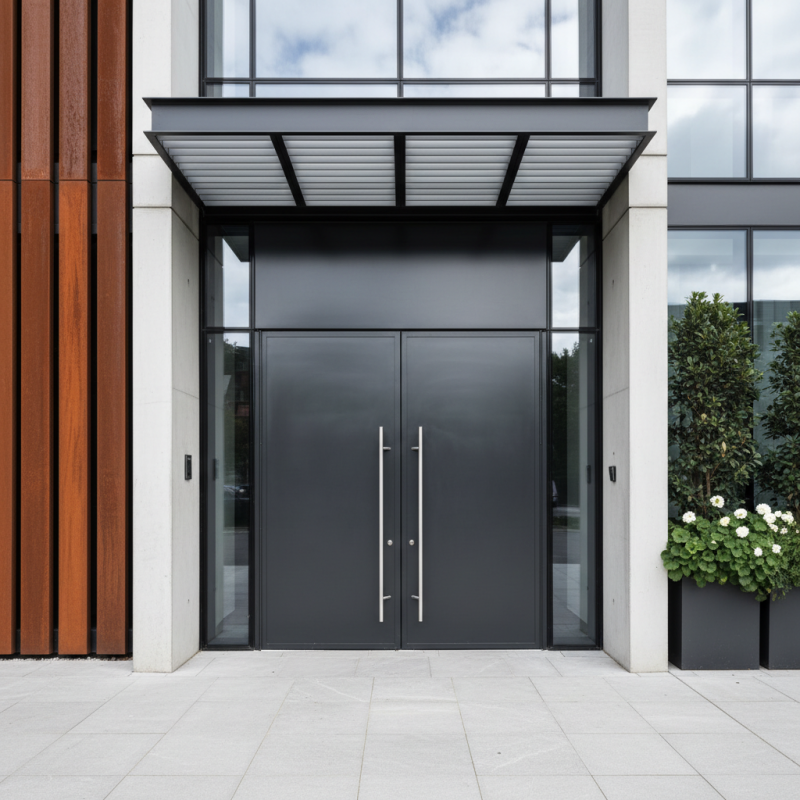
Steel metal doors are widely used in various buildings. They are more than just functional; they offer security, durability, and aesthetic appeal. These doors are made from thick steel, which makes them resistant to wear and tear. They can withstand harsh weather conditions, making them suitable for both indoors and outdoors.
Available in numerous designs, steel metal doors can fit various architectural styles. Some people prefer a sleek, modern look, while others may lean towards a traditional appearance. It’s crucial to choose a design that complements the building's overall look. The decision should consider both personal taste and practicality.
Maintenance is a critical aspect often overlooked. Steel doors need regular checks to avoid rust and denting. Some might think they are indestructible, but that’s not entirely true. Even steel can succumb to damage or deterioration over time. Investing in proper care will extend their lifespan. Failing to do so could lead to costly repairs or replacements, which can be frustrating.
Key Materials Used in Steel Metal Door Manufacturing
Steel metal doors play a crucial role in construction, offering durability and security. The manufacturing process involves several key materials that enhance their performance. Cold-rolled steel and galvannealed steel are primary choices. Cold-rolled steel provides strength, while galvannealed steel adds corrosion resistance. These properties ensure longevity and reduce maintenance costs.
According to industry reports, around 40% of steel door manufacturers use cold-rolled steel for its resilience. The thickness of the steel plate often ranges from 18 to 20 gauge. This selection impacts both weight and insulation values. Insulation materials, such as polystyrene or polyurethane, are frequently sandwiched between steel layers. This improves thermal efficiency, resulting in energy savings for commercial buildings.
However, not all manufacturers focus on quality. Some may cut corners, using inferior materials. This practice can lead to problems in performance and longevity. Proper selection of materials is essential for maximizing the benefits of steel doors. Attention to detail during the manufacturing process cannot be overlooked. Each material contributes significantly to the overall function and stability of the door.
Steel Metal Doors: Importance and Key Manufacturing Materials
Benefits of Steel Metal Doors in Security and Durability
Steel metal doors are increasingly vital in securing homes and businesses. Their robust nature offers superior protection against forced entry. With a solid core and durable materials, these doors resist impact and wear over time. Their resistance to rust and corrosion makes them ideal for various environments.
When choosing steel doors, consider insulation. A good insulating door helps maintain indoor temperature. Even minor flaws in sealant can lead to energy loss. Ensure the installation is precise to avoid gaps. Proper sealing protects from the elements, enhancing longevity.
In addition, look for fire-rated options. Some steel doors can withstand high temperatures. This feature is essential in enhancing safety. Remember, while steel doors are strong, they also require maintenance. Regular inspections can help catch issues early. A bit of care goes a long way in preserving their integrity.
What is Steel Metal Doors and Why Are They Important? - Benefits of Steel Metal Doors in Security and Durability
| Feature | Description | Importance |
| Material | Steel is a strong and durable material that provides enhanced security. | Helps in preventing unauthorized access and break-ins. |
| Durability | Steel doors are resistant to weather conditions, rust, and corrosion. | Long-lasting investment suitable for various environments. |
| Insulation | Many steel doors come with insulation options, improving energy efficiency. | Reduces energy costs and enhances indoor comfort. |
| Maintenance | Requires minimal maintenance compared to wood doors. | Saves time and costs associated with upkeep. |
| Customization | Available in various styles, finishes, and colors. | Can complement the aesthetics of different architectural designs. |
| Fire Resistance | Many steel doors offer substantial fire ratings. | Increases safety during fire emergencies. |
| Security Features | Can be equipped with advanced locking mechanisms and security features. | Enhanced protection and peace of mind for property owners. |
Common Applications of Steel Metal Doors in Various Industries
Steel metal doors are crucial in numerous industries due to their durability and security features. In sectors like healthcare, they are often used in operating rooms and sterile environments. A report from the American Institute of Steel Construction notes that steel doors help maintain safety standards and cleanliness, which is vital for patient care. These doors can withstand heavy use and resist impact, an essential quality in emergency situations.
In the education sector, steel doors are common in classrooms and laboratories. They provide a secure environment for students and staff. According to a study by the National Fire Protection Association, nearly 70% of fires in educational facilities occur in non-classroom areas. Steel doors help mitigate risks by offering better fire resistance, which is critical for student safety. However, while these doors provide many advantages, they can also be challenging to install. Poor installation might lead to gaps that undermine their benefits.
Furthermore, commercial buildings frequently utilize steel doors. They safeguard entry points and offer levels of protection against break-ins. The Global Security Industry Report indicates that theft accounts for billions in losses annually. Proper steel door installations can significantly decrease crime rates in these settings. Yet, it’s essential to note that not all doors meet the same standards, which can lead to vulnerabilities if not carefully chosen.
Maintenance and Care Tips for Steel Metal Doors
Steel metal doors are resilient and durable, making them a popular choice for commercial and residential settings. They can resist extensive wear and tear. However, without proper maintenance, their longevity can be compromised. According to a report from the Steel Door Institute, regular care can extend the lifespan of these doors significantly.
Cleaning steel doors is essential. Use a mild soap and water solution to wipe them down regularly. This helps to prevent rust. Moreover, checking for scratches and dents is crucial. A simple touch-up with paint can protect the door from moisture. Statistics suggest that doors, when maintained, can last up to 30 years or more. Neglecting basic care could reduce this lifespan drastically.
Lubrication is another important step. Hinges should be oiled to ensure smooth operation. A quick spray of lubricant can prevent squeaking and rust formation. Environmental factors like humidity can also impact the door’s condition. Monitoring for changes and reacting promptly is necessary. Regular inspections can catch issues before they worsen.