How to Replace Damaged WPC Panels Effectively?
WPC (Wood-Plastic Composite) panels are popular for their durability and aesthetic appeal. However, they can become damaged due to various factors like weather, impacts, or wear. When you need to Replace Damaged Wpc Panels, it's crucial to approach the task effectively. Understanding the right techniques can save time and effort.
To replace damaged WPC panels, knowing the fundamentals is essential. This task often requires specific tools and materials. Assessing the extent of the damage is the first step. Sometimes, the issue is minor, and repair may be possible. Other times, full replacement is unavoidable. Always ensure you have reliable information before starting.
In this guide, we aim to provide practical tips that empower you to replace damaged WPC panels efficiently. This task can be daunting, yet with the right guidance, it becomes manageable. Emphasizing craftsmanship is vital, as a hasty replacement may lead to future issues. Let's dive into effective techniques and insights for a successful transition.
Understanding WPC Panels: Materials and Advantages
WPC panels, or wood-plastic composite panels, have become increasingly popular due to their durability and eco-friendliness. These panels are made from a blend of wood fibers and plastic, combining the best of both materials. According to a report by the Freedonia Group, the demand for WPC materials is projected to grow by 6.7% annually, driven by their resistance to moisture and insects. This makes them ideal for outdoor applications like decking and fencing.
The advantages of WPC panels extend beyond their durability. They require less maintenance compared to traditional wood, which can rot or warp over time. A study by Research and Markets indicates that WPC panels can last over 25 years, significantly reducing replacement frequency. However, it is crucial to note that not all WPC panels are created equal. Some may have lower quality components, leading to shorter lifespans and increased maintenance.
While the benefits are attractive, challenges remain. Discoloration and surface damage can occur over time due to UV exposure. Additionally, the market is filled with varying quality products, complicating the choice for consumers. It is essential to conduct thorough research and consider expert recommendations. Choosing the right WPC panel involves recognizing these nuances to ensure long-lasting satisfaction with your investment.
Identifying Damage Types and Their Impact on WPC Panels
When considering WPC (Wood Plastic Composite) panels, identifying damage types is crucial. Common damages include cracks, warping, and fading. Cracks often occur due to temperature fluctuations. They can affect the panel's strength and aesthetic appeal. Warping typically arises from moisture exposure, leading to uneven surfaces. Faded panels, usually caused by UV exposure, lose their original color. This diminishes their visual appeal and value.
Damage type influences repair methods. Minor cracks can sometimes be filled with a suitable compound. However, larger cracks may require full panel replacement. Warped panels need careful assessment. Sometimes, realigning them can restore functionality. In more severe cases, replacement may be necessary. Before proceeding, it’s essential to evaluate the extent of the damage properly.
Neglecting these issues can lead to further complications. Panels that fade or warp tend to detract from a space's overall look. It’s important to address problems early. Ensure to regularly inspect WPC panels. A proactive approach minimizes long-term damage and maintains aesthetic quality. Being vigilant allows for timely repairs, ensuring durability and longevity.
How to Replace Damaged WPC Panels Effectively? - Identifying Damage Types and Their Impact on WPC Panels
| Damage Type | Description | Impact on Panels | Replacement Method |
| Cracks | Visible fissures or breaks | Reduces structural integrity | Seal with epoxy; Replace if extensive |
| Discoloration | Fading or uneven coloring | Affects aesthetic appeal | Sand and refinish; Replace if severe |
| Warping | Bending or twisting of panels | Compromises fit and finish | Replace affected panels |
| Peeling | Layer separation from surface | Exposure to elements; increases decay | Remove peeling layers; Replace if extensive |
| Splintering | Formation of splinters on edges | Safety hazard; reduces usability | Sand down splinters; Replace if severe |
Step-by-Step Guide to Removing Damaged WPC Panels
Removing damaged WPC panels requires careful planning and execution.
Start by gathering essential tools, including a pry bar, screwdriver, and safety gloves. Assess the damaged area. Determine how extensive the damage is, as this will influence your removal process. If the panel is severely warped or cracked, it may require more effort to take off.
Use your pry bar to gently lift the edges of the panel. Be careful not to damage surrounding panels or structures. Listen for any creaks or snaps, indicating pressure on other elements. Remove screws or nails securing the WPC panel. If they’re rusted or difficult, consider using a drill to back them out. Always check underneath for hidden fasteners, which can complicate removal.
Once the panel is loose, remove it slowly. Inspect the underlying surface for any issues, such as mold or debris. Clean the area thoroughly before installing a new panel. This step is crucial to ensure longevity and compatibility. Reflect on the necessary adjustments needed in future repairs. Always prioritize safety and proper techniques for the best results.
Choosing the Right Replacement Panels: Key Specifications
Choosing the right replacement panels for damaged WPC (Wood Plastic Composite) materials is crucial. The specifications can significantly influence durability and aesthetics. Industry reports suggest that WPC panels should ideally have a density of at least 1.6g/cm³. This density ensures they can withstand heavy foot traffic and adverse weather conditions.
Another vital specification is the moisture resistance rating. A panel with a higher rating reduces the risk of warping and rotting. According to a study by the American Society for Testing and Materials, WPC materials with moisture content below 5% show significantly improved lifespan. Color stability is also essential; panels should maintain their hue under UV exposure. Look for panels that offer UV protection, as this can extend the life of your project.
While these specifications guide your choices, it's important to consider installation conditions. Not all panels perform well in every environment. Some may crack under extreme temperatures, while others may fade quickly in direct sunlight. Pay attention to manufacturer guidelines and warranties. A panel may meet specifications but still underperform due to flawed installation or maintenance. Reflecting on these aspects can lead to better decisions for your WPC panel replacements.
Best Practices for Installing New WPC Panels Efficiently
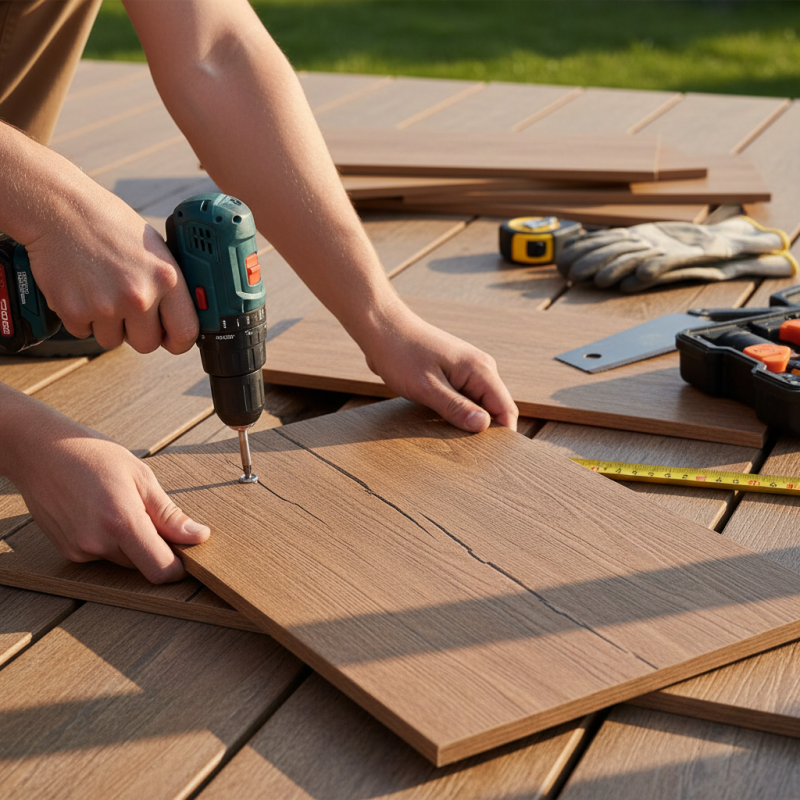
When installing new WPC (Wood Plastic Composite) panels, preparation is crucial. First, ensure the area is clean. Remove all debris and old fasteners. Check for any underlying damage before laying down the new panels. Proper measurements are key. Use a level to mark where the new panels will go.
Choose the right tools for the installation. A saw for cutting and a drill for fastening are essential. Using the correct type of screws helps avoid future issues. Make sure panels fit snugly together. Gaps may lead to moisture problems. On hot days, panels expand. Be mindful of this during installation.
Installing WPC panels can be a trial-and-error process. Experience shows that aligning panels correctly saves time later. However, mistakes happen. Don’t ignore uneven surfaces, even if they seem minor. Inadequate support beneath panels can cause future structural issues. Reflecting on these details ensures a more efficient project.