Why Choose Pulp Molding at the 139th Canton Fair 2026?
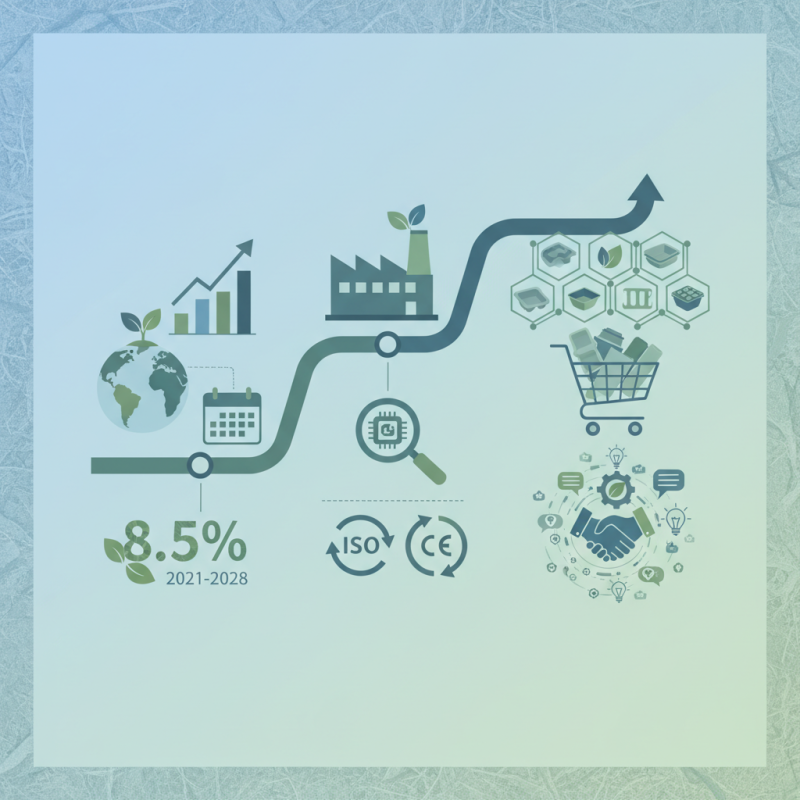
The 139th Canton Fair in 2026 presents a unique platform for innovation in pulp-molding technology. Pulp-molding is gaining traction due to its sustainable attributes. Reports show that the global pulp-molding market is projected to grow at a CAGR of 8.5% from 2021 to 2028. The increasing focus on eco-friendly products significantly contributes to this trend.
During the Canton Fair, attendees can explore advanced manufacturing solutions. This event spans from April 15 to May 5, showcasing cutting-edge technologies. The introduction of AI-enabled features enhances the experience for suppliers and buyers. Manufacturers with ISO and CE certifications are easily discoverable via smart search functions. Such advancements promise heightened efficiency in a massive exhibition space of 1.55 million square meters.
However, challenges remain within the pulp-molding sector. Standardization and quality control are still crucial issues. Ensuring all products meet sustainability criteria can be difficult. The growing demand for eco-friendly packaging suggests a need for consistent improvement. The Canton Fair can address these challenges, promoting a collaborative environment for innovation in pulp-molding.
The Growing Demand for Eco-Friendly Packaging Solutions at Canton Fair 2026
The demand for eco-friendly packaging is rising rapidly. Recent studies show that the global green packaging market is expected to reach $500 billion by 2027. This shift reflects growing consumer awareness and preference for sustainable products. At the 139th Canton Fair in 2026, pulp molding stands out as a leading solution. It aligns well with this trend by utilizing renewable materials.
Pulp molding products are not only biodegradable but also cost-effective. Many companies now focus on creating packaging that minimizes waste. A report revealed that 70% of consumers prefer brands that use sustainable packaging. This is a significant factor for businesses aiming to stay competitive. Moreover, as countries impose stricter regulations on plastic use, manufacturers feel the pressure to adapt.
However, it’s essential to recognize that the transition to eco-friendly options is not without challenges. Production methods may require capital investment. Some companies struggle to find reliable suppliers of raw materials. Despite these hurdles, the potential for innovation in pulp molding is considerable. Companies at Canton Fair 2026 can explore new technologies that enhance product functionality and sustainability.
The Benefits of Pulp Molding Technology in Sustainable Manufacturing
Pulp molding is gaining traction in sustainable manufacturing. It transforms recycled paper into eco-friendly products. This process drastically reduces plastic usage. Manufacturers can create packaging, trays, and custom designs. With rising environmental concerns, pulp molding provides practical solutions.
One major benefit is its cost-efficiency. The raw materials are often inexpensive. Companies can lower production costs while going green. However, some processes may not achieve high precision. This can lead to inconsistencies in product quality. It's important to refine techniques continuously.
Another tip for success is to focus on collaboration. Partnering with experts helps in the Design phase. It ensures products meet both environmental standards and market needs. Though challenges exist, the potential of pulp molding is noteworthy. These opportunities can substantially contribute to a more sustainable future.
Market Trends: Pulp Molding's Role in the Global Packaging Industry
The global packaging industry is evolving rapidly. Pulp molding stands out as a sustainable option in this competitive market. This process uses recycled paper and natural fibers. It offers eco-friendly solutions for various packaging needs.
Pulp molding contributes to reducing plastic waste. Many companies now prefer this method. It’s a great alternative for products like trays, cups, and protective packaging. As consumers become more aware of sustainability, the demand for pulp-molded items grows.
**Tips:** Consider how your packaging choices impact the environment. Every small change counts. Research suppliers who prioritize sustainable materials. Shift your focus toward biodegradable options. This approach not only helps the planet but also enhances your brand image.
As trends shift, innovation in pulp molding continues. The technology is improving, but challenges remain. Some businesses struggle with production efficiency. Others face hurdles in scaling operations. Reflecting on these issues is essential for growth. Adaptation to market needs is crucial.
Global Packaging Industry Trends: The Rise of Pulp Molding
Evaluating Cost-Effectiveness: Pulp Molding vs. Traditional Materials
Pulp molding stands out as a cost-effective alternative to traditional materials. It uses recycled paper and plant fibers. This approach is more sustainable and affordable. The production process is less energy-intensive than plastic manufacturing. This is a significant advantage for environmentally conscious businesses.
When evaluating cost-effectiveness, consider production costs and market prices. Pulp molding products can be made in bulk. This can lower overall expenses. Traditional materials often involve higher costs due to extraction and processing. While some may believe plastic offers durability, pulp products provide sufficient strength for many applications.
Tips: Always compare the lifecycle cost of products. Pulp molds can break down naturally, which can save on waste disposal. Remember to assess local regulations on materials as they can affect overall expenses. Pulp products may not suit every need, so weigh options carefully before committing.
Networking Opportunities: Industry Leaders and Innovations at the Fair
The 139th Canton Fair in 2026 is set to showcase vibrant networking opportunities. Industry leaders from the pulp molding sector will gather to share insights and innovations. This is crucial as the global market for pulp molding is projected to reach $12.5 billion by 2027, growing at a CAGR of 4.8%. Engaging with these leaders can provide valuable perspectives on industry trends.
Attendees can explore new technologies that enhance efficiency and sustainability. Many companies are now focusing on eco-friendly materials, reflecting a shift in consumer preferences. Tapping into this trend is vital. The event will feature workshops on the latest innovations in pulp molding processes. Participating can facilitate partnerships and collaborations.
Tip: Don’t hesitate to ask questions. Engaging with exhibitors can lead to unexpected insights.
Networking isn’t always smooth. Some may feel intimidated in larger groups. However, building connections is essential. Consider small group discussions for more meaningful exchanges. These can lead to long-term partnerships.
Tip: Follow up after the fair. A simple email can keep the dialogue going.