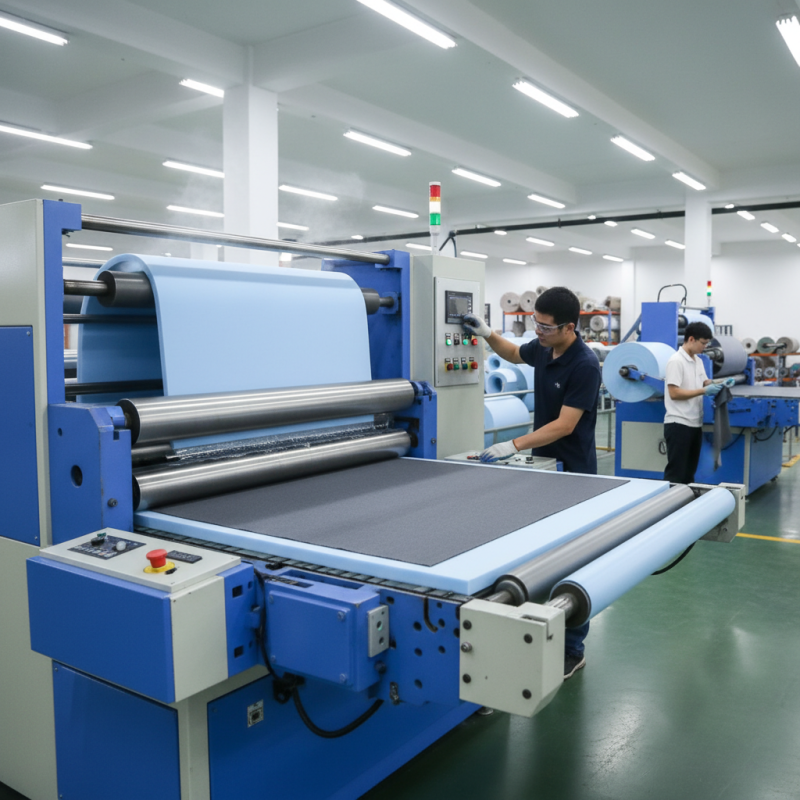
What is a PU Foam Lamination Machine and How Does it Work?
The PU foam lamination machine plays a vital role in various industries. It is essential for manufacturing products that require both durability and flexibility. This machine combines layers of polyurethane foam with different materials, ensuring a strong bond.
In the process, the machine applies heat and pressure. This combination allows for seamless lamination. Users often seek efficiency and reliability, but challenges can arise. Operators must monitor the settings to avoid defects in the final product.
Quality control is crucial. A small error can lead to significant issues down the line. Understanding the mechanics of the PU foam lamination machine can help prevent these problems. Investing time in training can yield better results.
What is PU Foam Lamination Machine?
PU Foam Lamination Machines are essential for various manufacturing processes. These machines combine layers of polyurethane foam to enhance product characteristics. They are widely used in industries such as furniture, automotive, and bedding.
The process begins with the application of adhesive on the foam layers. Then, heat and pressure are applied. This helps the layers bond seamlessly. The end result is a more durable and versatile foam product. Different settings allow for adjustments during production. However, achieving consistent quality can be challenging. Operators need to monitor temperature and pressure closely.
These machines can be complex. Sometimes, user errors can lead to defects in the final product. It's crucial to train personnel properly. Regular maintenance also plays a key role in machine performance. An overlooked detail could lead to production delays. Overall, while PU Foam Lamination Machines are vital, they require careful handling for optimal results.
PU Foam Lamination Machine Production Capacity
This chart illustrates the monthly production capacity of PU Foam Lamination Machines over the first half of the year, showcasing the gradual increase in output as efficiency improves.
Key Components of a PU Foam Lamination Machine
A PU Foam Lamination Machine is essential for various industries, particularly in creating composite materials. Its effectiveness hinges on several key components that work together seamlessly. The machine typically includes a heating element, a roller for lamination, and a compression system.
The heating element activates the polyurethane foam, making it pliable. It is crucial for ensuring even application across surfaces. The roller then compresses the foam onto a substrate, whether that be fabric, wood, or another material. This process helps achieve a strong bond, enhancing durability. Understanding the interplay between these components can lead to significant improvements in production efficiency.
Tips: Regular maintenance of the heating element can prevent uneven lamination. Inspect the roller for wear and tear to ensure consistent results.
Another critical component is the compression system. It applies uniform pressure during the lamination process. Reports indicate that inconsistent pressure can lead to complications, such as bubbling or inadequate adhesion. Being mindful of pressure adjustments according to material thickness is vital for achieving quality output.
Tips: Always calibrate your compression settings for different materials. This small step can reduce rejects and enhance overall performance.
In conclusion, while PU Foam Lamination Machines are incredibly effective, attention to detail in each component's functionality is crucial for success in production.
How PU Foam Lamination Machines Operate Step-by-Step
PU foam lamination machines are essential for creating laminated materials. These machines combine polyurethane foam with various surfaces, such as fabric or plastic. This process enhances durability and insulation while improving overall appearance.
The operation of a PU foam lamination machine typically follows a specific sequence. Initially, the foam is prepared and cut to the desired size. Next, the laminating substrate is fed into the machine. After that, the foam is applied to the substrate using heat and pressure. The fusion process is crucial as it ensures a strong bond. Lastly, the laminated product is cooled and cut into the final dimensions.
Tips: Ensure that the foam is free of impurities before starting. Dirt can affect adhesion. Regular maintenance of the machine is essential for optimal performance. Watch for any unusual noises during operation; they might indicate a problem.
Remember, errors can occur, and adjustments might be necessary. Occasionally, the foam may not adhere properly. This can result from incorrect temperature settings or uneven pressure. Fine-tuning these factors is vital for high-quality output. Experimenting with various materials can lead to better results. Keep records of these trials for future reference.
Applications of PU Foam Lamination in Various Industries
PU foam lamination is used in various industries for its diverse applications. This process involves adhering different materials together with polyurethane foam, enhancing both functionality and durability. One of the most common applications is in the automotive industry. PU foam is used to create lightweight insulation panels. These panels improve energy efficiency while reducing overall vehicle weight.
In the furniture industry, PU foam lamination enhances comfort. Upholstered furniture often uses this process to combine different fabrics with foam. The result is a soft, durable product that retains its shape. Additionally, the bedding industry benefits significantly from PU foam lamination. Mattresses and pillows are often created with a laminated foam layer, offering better support.
Some challenges exist with PU foam lamination. Adhesion can sometimes be inconsistent, leading to peeling. The selection of materials is also crucial. If incompatible materials are used, it may compromise the final product. Awareness of these potential issues is important for manufacturers. Continuous improvements can help address these challenges in the production process.
What is a PU Foam Lamination Machine and How Does it Work? - Applications of PU Foam Lamination in Various Industries
| Industry | Application | Benefits | Key Features |
| Automotive | Interior padding and sound insulation | Improved comfort and noise reduction | High adhesion and durability |
| Furniture | Upholstery for sofas and chairs | Enhanced aesthetic appeal and durability | Variety of textures and colors |
| Construction | Insulation panels for buildings | Energy efficiency and thermal regulation | Lightweight and high R-value |
| Textiles | Lamination in clothing and sports gear | Waterproofing and enhanced comfort | Flexible and breathable |
| Packaging | Protective packaging materials | Lightweight and shock-absorbing | Customizable and cost-effective |
Benefits of Using PU Foam Lamination Machines for Manufacturing
PU foam lamination machines play a vital role in manufacturing composite materials. They bond polyurethane foam with various substrates, enhancing product durability and performance. The global market for PU foam is anticipated to reach $27 billion by 2024, showcasing the demand for efficient lamination processes.
Using these machines offers several benefits. They improve adhesion quality between layers, reducing defects. Reports indicate that lamination can enhance the thermal insulation properties of the final product by up to 35%. Additionally, the machines streamline production, leading to cuts in operational costs. Manufacturers using automated lamination see efficiency gains of around 30%.
However, there are challenges to consider. The initial investment for these machines can be significant. Not all companies can easily integrate such technology into their existing lines. Furthermore, ongoing maintenance is essential to keep the machines running efficiently. Regular upkeep is sometimes neglected, which can lead to inconsistencies in the product quality. Balancing these factors is crucial for manufacturers aiming to harness the full potential of PU foam lamination.