What is Print Inspection and Why is it Important?
Print Inspection is a critical process in the printing industry, ensuring quality and accuracy. According to a recent industry report, nearly 30% of printed products require rework due to errors. This not only affects profitability but also customer trust. Businesses invest heavily in print quality control to maintain standards.
Many companies overlook the significance of Print Inspection. Even small mistakes can lead to costly recalls or brand damage. The 2022 Print Quality Survey revealed that 67% of consumers would switch brands after a poor print experience. Hence, establishing an effective Print Inspection system is vital.
Advanced technologies, such as AI and machine vision, aid in achieving high standards. However, they are not foolproof. Continuous evaluation and adjustment of these systems are necessary. Flaws can still occur, prompting a need for regular training and updates. The pursuit of perfect print quality remains a challenge that demands attention.
Understanding Print Inspection: Definition and Purpose
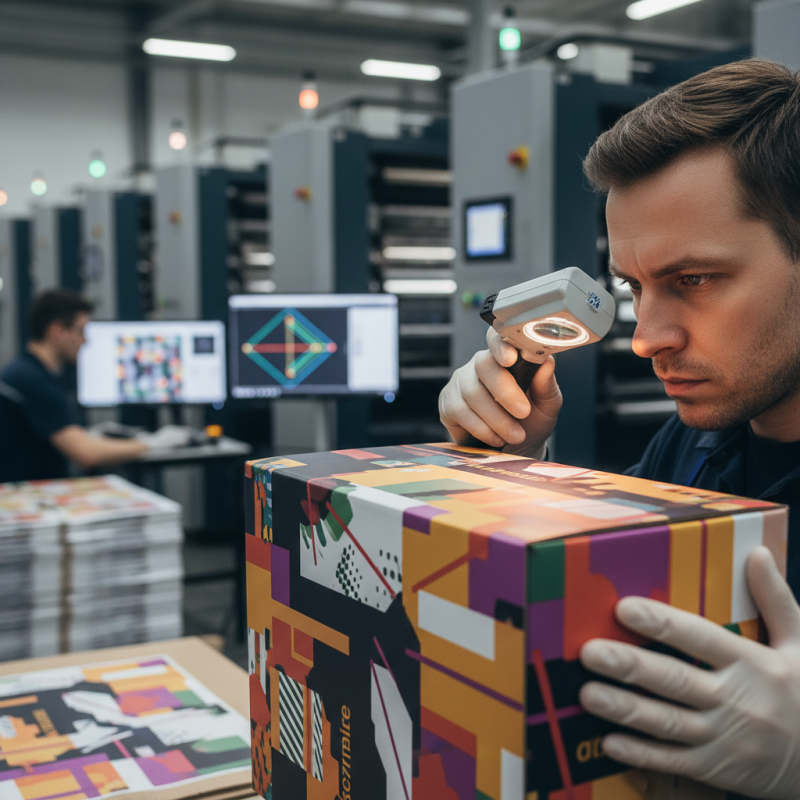
Print inspection plays a crucial role in maintaining quality across various industries. It ensures that printed materials meet specific standards and expectations. Understanding its definition is key. Print inspection involves the systematic evaluation of printed output to identify defects or inconsistencies. This can range from color accuracy to alignment of images. The purpose is clear: to prevent costly errors and enhance customer satisfaction.
Industry reports indicate that nearly 80% of companies using print inspection see a reduction in waste and rework. Accurate inspections can detect issues such as misprints or color mismatches before they escalate into larger problems. Additionally, up to 50% of clients notice improved brand perception when print quality is ensured. However, reliance on automated systems can lead to oversight. Human errors or equipment malfunctions can still occur. This raises questions about the effectiveness of solely automated solutions.
Continuous improvement is essential in print inspection processes. Regular audits and updates can help maintain or improve quality standards. Despite advancements, testing methodologies may not always catch every issue. For instance, a recent study found that nearly 15% of defects were still present after automated checks. This highlights the need for a balanced approach that includes both technology and human oversight. The future lies in leveraging both elements effectively.
The Role of Print Inspection in Quality Control
Print inspection plays a critical role in quality control. It ensures that printed materials meet specific standards. This process involves checking for defects such as smudges, color inconsistencies, and alignment issues. Each detail matters. A small error can lead to significant consequences.
In industries like packaging and publishing, quality control is paramount. A flawed print can affect brand reputation. Inspectors often use software tools and physical checks to assess quality. They look for color accuracy and font clarity. Sometimes, even the best systems fail. Human oversight can be limited. The goal is to catch errors before products reach customers.
Continuous improvement is essential. Feedback loops can help refine inspection processes. Training for staff is crucial in this regard. Mistakes reveal gaps in understanding. Regular audits can identify areas needing more attention. Quality control is not just about finding faults; it’s about enhancing overall production standards.
Key Techniques and Technologies in Print Inspection
Print inspection is crucial for ensuring quality in various printing processes. It involves checking every printed product for errors, color consistency, and overall quality. There are several key techniques used in print inspection. One common method is visual inspection, where trained eyes spot flaws. However, it requires experience and can miss subtle issues.
Another important technique is automated inspection using advanced technologies. Cameras and sensors capture images of the prints, comparing them to predefined standards. This method increases speed and accuracy. Yet, these systems are not flawless. False positives can occur, leading to unnecessary waste.
Additionally, spectrophotometry measures color variations. It helps maintain consistency throughout production runs. Despite its effectiveness, some color discrepancies might still slip through. Print inspection should be a continuous process, with regular reviews and updates to techniques. This ensures that the quality remains high and meets customer expectations.
Common Challenges in Print Inspection and Their Solutions
Print inspection is crucial in ensuring the quality of printed materials. However, several challenges often arise during the inspection process. One of the most common issues is detecting misprints. These errors might not be apparent at first glance. They can lead to significant waste and loss of resources.
Another challenge is maintaining consistent inspection standards. Variability in machines or operators can introduce discrepancies. Training is essential to minimize these gaps. Regular calibration of equipment helps maintain accuracy. However, inconsistency can still occur. The pressure of tight deadlines may lead to oversight. It’s a concern that demands attention.
Sometimes, the technology used for inspection isn't effective enough. Inadequate software might miss subtle defects. This problem can be mitigated through regular updates and system checks. Keeping abreast of the latest advancements is vital. Moreover, relying solely on technology is risky. Human oversight can catch issues that machines may miss. Balancing both approaches is essential for effective print inspection.
The Impact of Print Inspection on Overall Production Efficiency
Print inspection plays a critical role in enhancing production efficiency. It ensures that printed materials meet quality standards. From packaging to labels, the accuracy of prints affects overall output. When defects occur, they can lead to costly reprints. This impacts timelines and increases operational costs.
Implementing print inspection technologies can help catch errors early. This boosts productivity by reducing waste and improving quality control. Inspecting prints can reveal issues like color misalignment or incorrect text. Sometimes, results may not match expectations. These discrepancies are worth investigating. They can uncover deeper issues in the production process.
A robust print inspection process creates accountability. It encourages teams to focus on their work quality. Although technology can aid inspections, human oversight remains vital. People bring nuance to the inspection process that machines might miss. Addressing these gaps can lead to better production outcomes over time.