What is Plastic Bottle Packaging and Its Benefits for Sustainability?
Plastic Bottle Packaging has transformed how we store and transport liquids. It plays a crucial role in consumer products, offering convenience and versatility. However, its impact on the environment raises significant concerns. Many people underestimate the challenges posed by plastic waste.
With the rise of recycling, awareness has grown about sustainable practices. Plastic Bottle Packaging can be designed for reuse and recycling. This shift can reduce landfill waste. Yet, the reality is that not all plastics are recycled effectively. Efficiency in recycling remains a critical challenge. Educating consumers about proper disposal is essential.
The benefits of Plastic Bottle Packaging are evident in various industries. It offers lightweight solutions that reduce transportation costs. But, the risk of pollution from single-use plastics cannot be ignored. It raises questions about long-term sustainability. A balance between convenience and environmental responsibility is necessary.
Overview of Plastic Bottle Packaging
Plastic bottle packaging is a crucial component of modern consumer goods. It is widely used in beverages, personal care products, and household items. According to the EPA, plastic made up 12% of municipal solid waste in 2018. This statistic highlights the growing concern about sustainability in packaging.
Many benefits exist for using plastic bottles. They are lightweight and reduce transportation costs. The energy required for production has decreased by about 40% over the last decade. This reduction indicates progress in production efficiency. Moreover, many manufacturers are incorporating recycled materials, contributing to a circular economy. According to a study by the World Economic Forum, increasing recycling rates can mitigate 60% of the plastic waste generated.
Tips: Choose brands that prioritize recyclable materials. Look for bottles marked with recycling symbols. Educate yourself on local recycling rules to maximize benefits. Consumers play a vital role in influencing sustainable practices. However, flaws still exist. Not all plastic bottles end up in recycling facilities. Many end up in landfills or oceans. Awareness and education are essential to improve these outcomes. Every small change counts in the fight for sustainability.
Types of Plastic Materials Used in Bottle Packaging
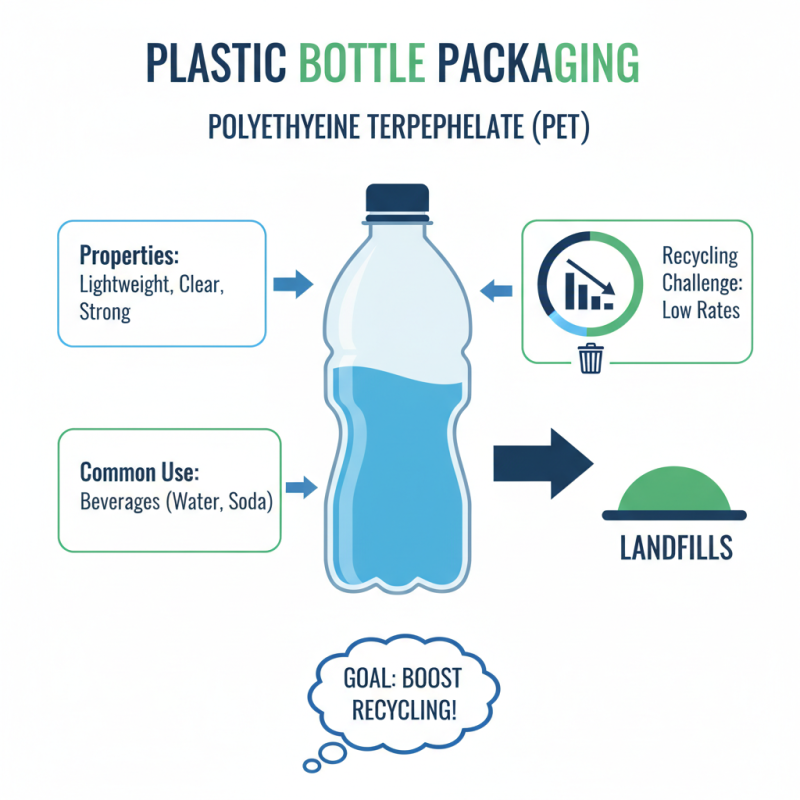
When it comes to plastic bottle packaging, various materials play a crucial role. One of the most common types is polyethylene terephthalate (PET). This lightweight material is often used for beverages. Its clarity and strength attract manufacturers. However, recycling rates for PET bottles can be disappointing. Many end up in landfills instead of being processed.
Another popular option is high-density polyethylene (HDPE). Known for its rigidity, HDPE is used in containers for household products. It is durable and can resist many chemicals. Yet, it is not immune to environmental concerns. Only a fraction of HDPE items gets recycled, which raises questions about their sustainability.
Additionally, there are biodegradable options like polylactic acid (PLA). Made from renewable resources, PLA shows promise for minimizing plastic waste. However, its compostability depends on specific conditions, which aren't always met. This creates a gap between innovation and practical application, highlighting the ongoing challenges in the journey towards sustainable packaging.
Environmental Impacts of Traditional Packaging vs. Plastic Bottles
When comparing traditional packaging to plastic bottles, the environmental impacts are significant. Traditional packaging often includes materials like glass and metal. These require more energy to produce. They also involve heavier transportation loads, increasing carbon emissions. In contrast, plastic bottles are lighter and often more energy-efficient to produce. However, this efficiency comes with its own set of concerns.
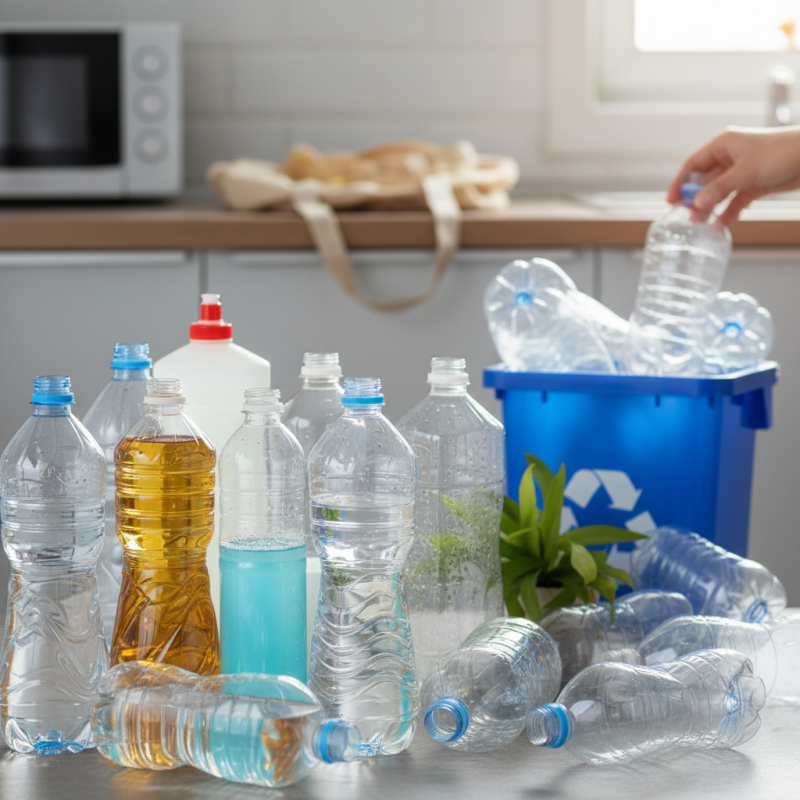
Many people overlook the recycling potential of plastic bottles. If properly recycled, they can be reused to create new products. This process can help reduce landfill waste. Yet, not all plastic gets recycled. A significant portion still ends up in the environment. That’s why individuals must check local recycling guidelines.
Tips: Always rinse your plastic bottles before recycling. This prevents contamination and improves the recycling process. Consider alternatives like reusable bottles. They cut down on both plastic waste and energy used in production. Not every plastic bottle is the same. Some may take hundreds of years to decompose. We need to rethink our reliance on single-use plastics.
Benefits of Plastic Bottle Packaging for Sustainability
Plastic bottle packaging is a widely used method for various products. It offers several benefits for sustainability, making it increasingly popular. One key advantage is its lightweight nature. Lightweight bottles require less energy for transportation. This reduces carbon emissions during delivery. Less weight means more efficient shipping, which could lead to lower costs.
Recycling is another important aspect. Many plastic bottles are recyclable, which can help reduce waste in landfills. When recycled properly, these bottles can be transformed into new products. This not only conserves resources but also promotes a circular economy. However, not all consumers recycle. It’s crucial to educate the public on best practices for disposal.
There are challenges with plastic use, though. Some bottles end up in oceans and harm wildlife. This raises questions about the balance between convenience and environmental impact. While plastic bottle packaging has its benefits, it also demands responsibility from manufacturers and consumers alike. A shift towards sustainability depends on collective efforts in managing waste effectively.
Innovations in Recycling and Reusing Plastic Bottles
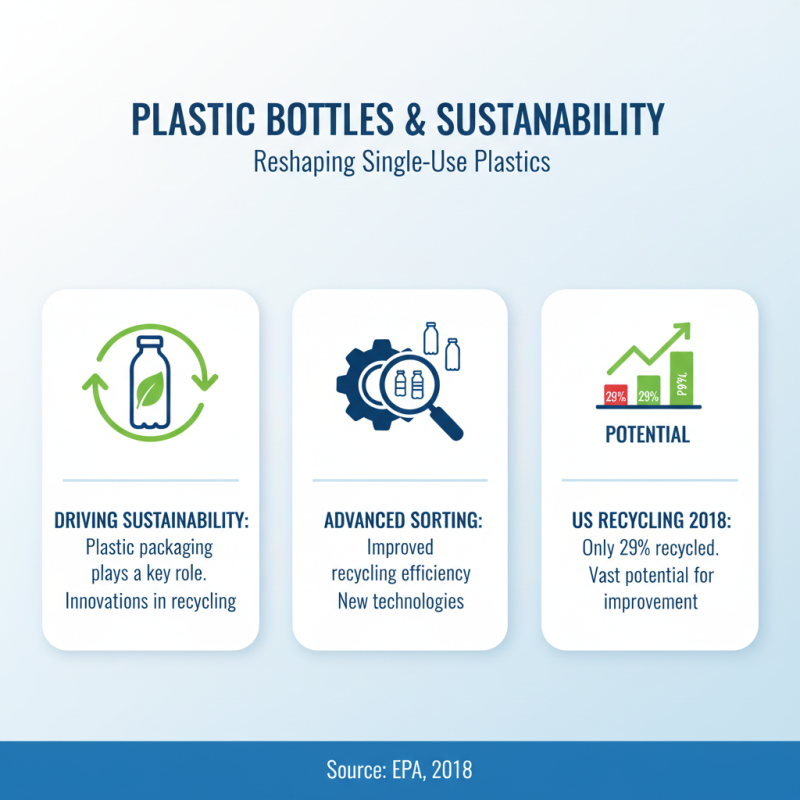
Plastic bottle packaging plays a significant role in the drive for sustainability. Innovations in recycling are reshaping how consumers view single-use plastics. One notable advancement is the development of advanced sorting technologies, which improve the efficiency of recycling processes. The EPA reported that only 29% of plastic bottles were recycled in the U.S. in 2018. This indicates a vast potential for improvement.
Reusing plastic bottles is another area gaining traction. Creative uses include turning them into planters, storage units, or even art projects. This not only helps reduce plastic waste but also encourages sustainable creativity. According to the World Economic Forum, global plastic waste could reach 1.3 billion tons by 2040 if current trends continue. Education around reusing bottles could lessen this impact.
Despite these innovations, challenges remain. Many consumers still lack awareness of proper recycling methods. Contamination of recyclable materials is a common issue. In 2020, a study found that over 20% of recyclable plastics were either improperly cleaned or had food residues. This highlights the need for ongoing educational efforts. It’s a complex issue that demands reflection and collective responsibility.