What is a Nonwoven Laminating Machine and How Does It Work?
In the world of textiles, the nonwoven laminating machine plays a crucial role. Experts recognize its importance in creating versatile materials. Dr. Emily Carter, a renowned expert in textile technology, once stated, “Nonwoven laminating machines transform raw fibers into innovative products.” This statement highlights the significance of these machines in modern manufacturing.
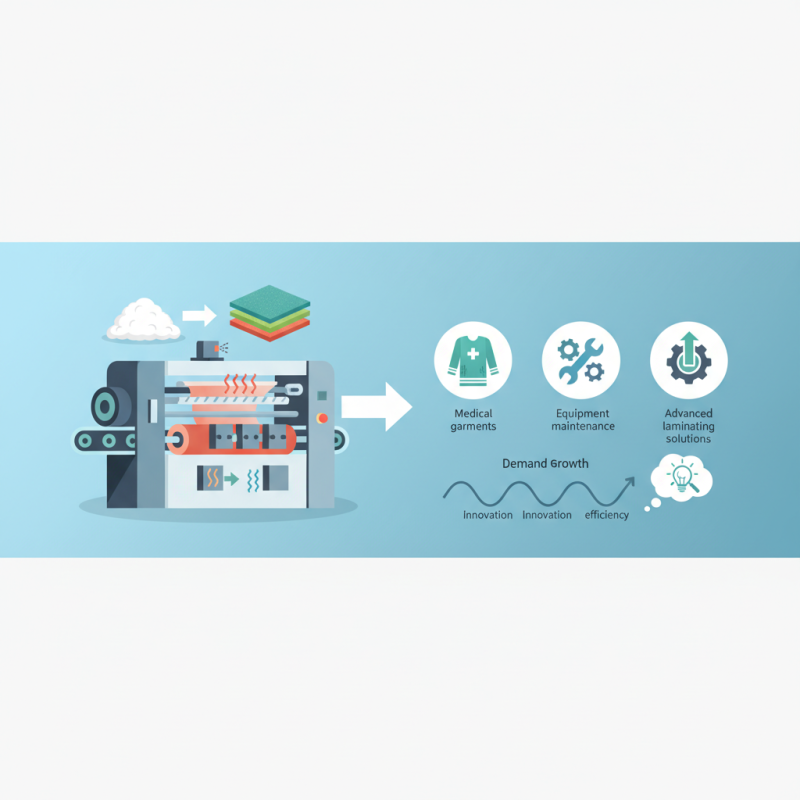
Nonwoven laminating machines bond various substrate materials, enhancing durability and functionality. These machines use heat, pressure, and adhesive to create composite structures. For instance, hospitals rely on them for producing medical garments. Yet, the technology isn’t without challenges. Companies face issues like equipment maintenance and quality control.
The process demands precision and a keen eye for detail. Flaws can lead to waste and increased costs. Industry professionals often advocate for continuous improvement and regular training. As the demand for nonwoven materials grows, so does the need for advanced laminating solutions. This leads to deeper reflections on how we can innovate while maintaining efficiency.
What is a Nonwoven Laminating Machine?
A nonwoven laminating machine is essential in the textile industry. It combines layers of nonwoven fabric to create durable, multi-functional materials. These machines work by applying heat or adhesive to bond fabrics together, resulting in a finished product that can be used in various applications. You often see these materials in products like diapers, medical supplies, and protective clothing.
When using a nonwoven laminating machine, it’s crucial to monitor the temperature closely. Too much heat can damage the fabric. Regular maintenance of the machine can prevent unexpected breakdowns. Ensure the laminating rolls are clean, as debris can interfere with the process.
Tips: Always test small samples before large runs. This helps to identify potential issues early. Experimenting with different adhesives can lead to better results. Understand that not all fabrics laminate the same way; be prepared for trial and error.
Key Components of a Nonwoven Laminating Machine
A nonwoven laminating machine is a critical tool in the textile industry. It combines nonwoven materials to create durable products. Key components play a significant role in its operation.
The first essential part is the feeding system. This system ensures the proper alignment and tension of materials. Proper feeding is crucial for product quality. If materials misalign, defects can occur. Operators often overlook this detail, leading to waste.
Next, we have the laminating unit. This component applies heat and pressure to bond layers. The temperature and pressure settings must be precise. Incorrect settings can weaken the bond. Operators must regularly check these parameters.
Lastly, the cooling system is vital. It solidifies the bond and prevents damage. If cooling is inadequate, products might warp. Operators sometimes underestimate this step, risking quality. Together, these components form a system that requires careful attention.
The Working Principle of Nonwoven Laminating Machines
Nonwoven laminating machines play a crucial role in fabric production. These machines bond nonwoven materials, making them stronger. The process involves layering sheets of fabric together. Heat, pressure, or adhesive is applied to fuse the layers. This creates a composite material with enhanced durability.
The working principle is relatively straightforward. The machine feeds the nonwoven fabric into the system. It then applies specific heat settings. The pressure rollers compress the layers together. This method ensures a solid bond between the fabrics. However, achieving consistent quality can be challenging. Variations in temperature or pressure might affect the final product.
Operators must monitor the settings closely. Even minor adjustments can lead to significant outcome differences. Getting it just right requires attention and experience. Many factors influence the laminating process. For instance, fabric type and thickness play crucial roles. Understanding these elements is essential for producing high-quality laminates.
Applications of Nonwoven Laminating Technology
Nonwoven laminating technology finds extensive applications across various industries. The textile industry uses it to create breathable, yet waterproof materials. This is crucial for producing high-quality medical textiles, such as surgical gowns and drapes. A report from Freedonia Group highlights that the demand for nonwoven fabrics is projected to reach 10 million tons by 2025. The healthcare sector accounts for a significant portion due to increasing hygiene awareness.
In the automotive industry, nonwoven laminates are used for interior components. These materials help in noise reduction and provide thermal insulation. According to a recent industry analysis, nonwoven technology can reduce weight in vehicles by up to 20%. This shift supports manufacturers in adhering to stricter environmental regulations. However, the challenge remains in balancing performance with cost-effectiveness.
The consumer goods sector also benefits from nonwoven laminating. Products like wipes and filtration materials rely on this technology. Market research from Technavio suggests a steady growth rate in this sector, driven by hygiene products' rising popularity. Yet, producers face hurdles regarding sustainability and material sourcing. Innovating while minimizing environmental impact will be a key focus moving forward.
Advantages of Using Nonwoven Laminating Machines
Nonwoven laminating machines are essential in various industries. They bond nonwoven fabrics with other materials, enhancing product performance. These machines apply heat, pressure, or adhesive to fuse layers together. The result is a strong, durable material that can be used in medical, automotive, or packaging applications.
One advantage of nonwoven laminating machines is their efficiency. They allow for quick production cycles, saving time and costs. Manufacturers can create complex materials without extensive labor. Additionally, laminated nonwoven fabrics tend to have improved barrier properties and increased strength. This makes them ideal for protective clothing or hygiene products.
However, the technology is not without challenges. Proper calibration is crucial for consistent quality. Overheating can damage materials, while insufficient pressure may lead to weak bonds. Regular maintenance is necessary to avoid breakdowns. Understanding these factors can lead to better outcomes in production processes.
What is a Nonwoven Laminating Machine and How Does It Work? - Advantages of Using Nonwoven Laminating Machines
| Feature | Description | Advantages |
| Material Compatibility | Works well with various materials such as nonwovens, films, and textiles. | Versatile usage across different industries. |
| Production Speed | High-speed operation allowing for increased productivity. | Reduces production time significantly. |
| Quality of Bonding | Provides strong and durable bonding between layers. | Enhances product durability and performance. |
| Ease of Operation | User-friendly interface and automation features. | Lowers operational training time and costs. |
| Cost Efficiency | Lower operational costs due to reduced material wastage. | Improves overall profitability. |