How to Master the Sand Molding Process for Casting Success?
The sand molding process is a cornerstone of the metal casting industry. In fact, over 70% of cast parts are produced using sand molds, according to a recent industry report by the American Foundry Society. This method remains popular due to its adaptability and cost-effectiveness. However, mastering this process can be challenging.
Mistakes in sand molding can lead to defects and wastage. For instance, improper sand preparation can result in poor surface finish or weak castings. In 2020, the foundry sector incurred losses exceeding $1 billion due to casting errors, highlighting the need for precision and skill. Understanding the nuances of the sand molding process is critical for achieving quality outcomes.
Innovations in materials and techniques are reshaping the landscape of sand casting. New types of sand and binders are improving mold strength and decreasing cycle times. Nevertheless, the basics remain essential. Foundry professionals must continuously evaluate their practices to adapt to changing demands and technologies. Embracing a mindset of reflection is vital for success in the competitive casting industry.
Understanding the Basics of Sand Molding in Casting
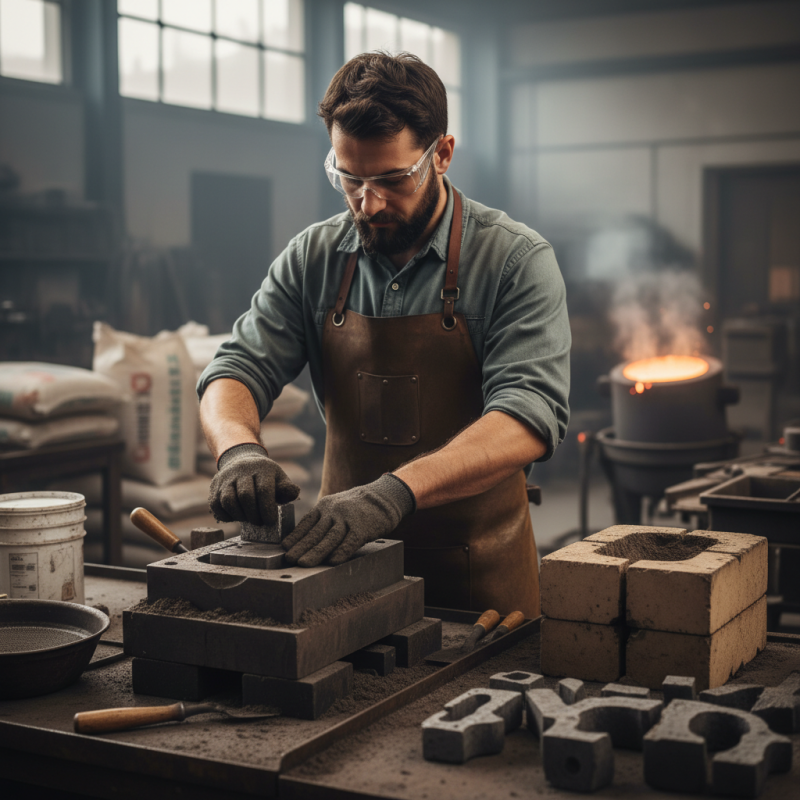
Sand molding is a vital technique in the casting process. It involves creating a mold from sand, which holds the shape of the object being cast. This method is favored due to its flexibility and cost-effectiveness. A successful mold begins with the right mixture of sand and bonding agents. The sand needs to be fine, ensuring a smooth surface. However, achieving the perfect consistency often requires trial and error.
There are key steps to focus on in the sand molding process. First, prepare the mold box. Carefully pack the sand to prevent air pockets. These air pockets can lead to defects in the cast. Next, make sure the pattern is properly placed. Poor alignment can waste materials and time. After pouring the metal, allow for adequate cooling. Rushing this step may cause cracks.
As you become more familiar with the process, reflect on previous mistakes. Each casting might reveal a new issue, from sand quality to cooling time. Adapting to these challenges helps refine your skills over time. Embrace the imperfections; they offer crucial learning opportunities.
Sand Molding Process Success Rates
Types of Sand Used in Molding Processes
The choice of sand is crucial in the molding process for casting. Different types of sand offer varying properties, which can significantly affect the final product's quality. For instance, silica sand is commonly used due to its availability and cost-effectiveness. According to the American Foundry Society, over 90% of molds utilize this type of sand. It provides a good balance between strength and flowability.
Another popular choice is green sand, a mixture of silica sand, clay, and moisture. This type of sand is favored for its excellent moldability and strength. Reports indicate that green sand accounts for approximately 70% of the molding processes in foundries. However, moisture control is a challenge. Excess moisture can lead to mold defects, such as cracks and incomplete fills.
Investing in high-quality sand can enhance the molding process, but it may not be feasible for every facility. Recycled sand is an alternative that many industries consider. While it can reduce costs, its consistency and performance might not match that of virgin sand. This can lead to variability in production quality, which needs careful monitoring and adjustment in the molding process. Balancing cost and quality remains a perpetual challenge for many foundries.
Step-by-Step Guide to Preparing the Sand Mold
Preparing a sand mold for casting involves several critical steps. Start with selecting the right type of sand. Coarse sand is often preferred for better drainage and strength. Mix the sand with a binding agent. This ensures the sand holds its shape when compacted. Water can also be added, but be cautious—it can weaken the mold if overused.
Once the sand is ready, fill the mold box firmly. Ensure uniform compaction; uneven packing can lead to defects. It’s essential to use the right pressure while striking off the top. If the surface is not level, it could create issues later in the casting process. Pay attention to details, like creating vents for gas escape. Skipping this step can result in trapped air.
After preparing, remove the mold from the box carefully. Inspect for cracks or imperfections. These can lead to failure in the final product. Repair any flaws immediately; neglecting them can be costly in the end. Testing different techniques is vital. Sometimes, minor adjustments can make a significant difference in flexibility and strength. Remember, practice leads to improvement.
Techniques for Improving Mold Strength and Accuracy
Mastering the sand molding process is crucial for casting success. One effective technique is controlling moisture content. Too much moisture weakens mold strength. A consistent ratio leads to better outcomes. It’s vital to check moisture levels regularly. This simple practice can prevent costly mistakes.
Another key aspect involves ensuring uniform compaction. Uneven compaction results in weak areas in the mold. A vibrating table can help achieve this goal. However, over-vibration can lead to other issues, such as cracking. So, finding the right balance is necessary and often problematic.
Lastly, using additives can drastically enhance mold accuracy. These materials can improve strength and reduce imperfections. Experimenting with different types of additives is essential. The correct combination can be elusive. Understanding each additive's properties will save time and resources in the long run. Striving for perfection in mold quality can be an ongoing challenge.
Common Challenges in Sand Molding and How to Overcome Them
Sand molding presents unique challenges for those in the casting industry. One common issue is inconsistent mold quality. Variations in sand mixture and moisture content can lead to weak molds. A careful balance is crucial. Testing different mixtures often reveals the right combination. Monitoring humidity levels can also make a significant difference.
Another challenge is gas entrapment during pouring. If the mold has not been properly vented, air can become trapped in the casting. This often results in defects. To mitigate this, ensuring adequate venting pathways is essential. Additionally, examining the pouring technique can help reduce turbulence, which often creates further issues.
These challenges require ongoing reflection and adjustment. Each casting project is a learning process. Mistakes should be documented and analyzed for future reference. Embracing these obstacles leads to better molds and ultimately, a higher success rate in casting.