What is Machine Vision Inspection and How Does it Work?
Machine Vision Inspection plays a crucial role in modern manufacturing. This technology automates visual inspection tasks, improving quality control and efficiency. According to industry reports, the global machine vision market is expected to reach over $14 billion by 2025. Automated inspection reduces human error, enhancing accuracy significantly.
This inspection system utilizes cameras and algorithms to analyze products. It can detect defects, measure dimensions, and ensure compliance. However, the technology is not without its challenges. Complex parts or varying lighting conditions can confuse the system. Companies must continually refine their algorithms for optimal performance.
Despite its advantages, some organizations struggle with implementation. Integrating Machine Vision Inspection into existing production lines can be daunting. Changes in workflow and employee training are essential. The journey requires a balance between technology and human oversight, ensuring the best outcomes for quality assurance.
What is Machine Vision Inspection?
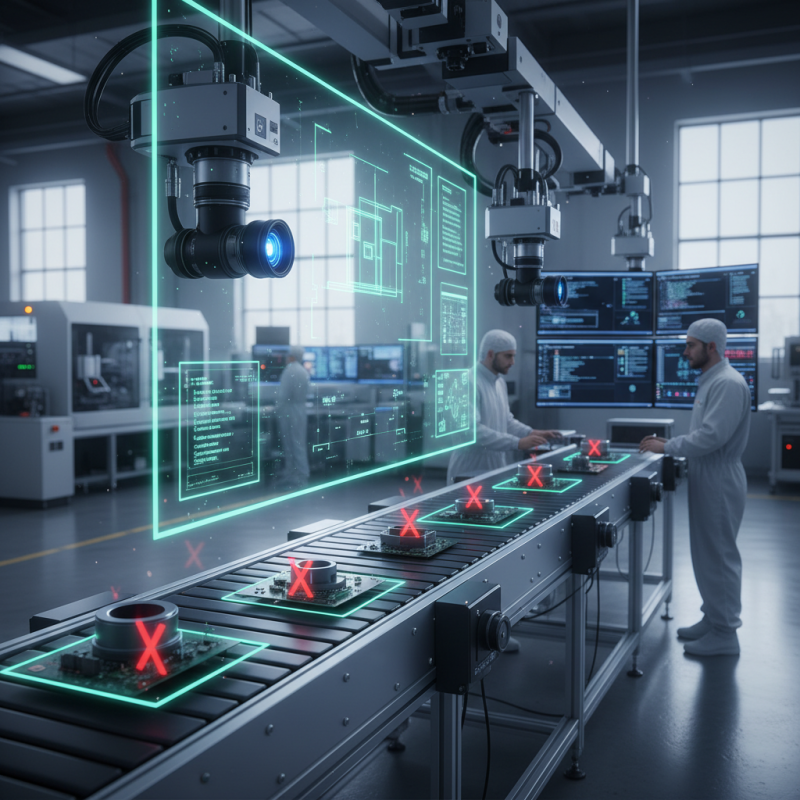
Machine vision inspection is a technology that uses cameras and software to analyze products. It's widely used in industries like manufacturing and quality control. This system detects defects or irregularities through visual analysis. The cameras capture images, and advanced software processes them. It’s fast and accurate, often spotting issues that human inspectors might miss.
The technology has its limits, though. Lighting conditions can affect the system's performance. Shadows or reflections may lead to mistakes in detection. Sometimes, the software struggles with complex shapes or colors. While machine vision can streamline processes, it’s not always foolproof. Human oversight is still necessary in certain scenarios to ensure accuracy. The balance between automation and manual checks remains a topic of discussion in many sectors. Incorporating both could enhance inspection quality significantly.
Key Components of Machine Vision Systems
Machine vision inspection is a crucial technology in various industries. It relies on key components that help ensure quality control and accuracy. The main components include cameras, lighting, processing hardware, and software algorithms. Each plays a significant role in capturing and analyzing images effectively.
Cameras are essential for capturing high-resolution images of products. They need to be positioned correctly to minimize distortions. Lighting, often overlooked, is vital for highlighting features of the objects being inspected. Poor lighting can lead to incorrect analysis. Processing hardware should be powerful enough to handle image processing swiftly. Software algorithms are where the magic happens, as they analyze the data and make decisions based on predefined criteria.
Tip: Regularly calibrate your cameras to maintain image quality. This can prevent undetected defects. Consider using adjustable lighting systems to adapt to different inspection cases. Testing different configurations can help improve results. However, remember that not every inspection process will yield perfect outcomes. Continuous refinement is essential for optimizing machine vision systems.
How Machine Vision Works: The Inspection Process
Machine vision inspection is transforming quality control across industries. The process uses cameras and computer algorithms to analyze products. By identifying defects and inconsistencies, companies save time and reduce costs. Data from industry reports show that machine vision systems can increase inspection speed by up to 90%. However, the accuracy of these systems is vital.
The inspection process begins with image capture. Cameras take high-resolution images of the items being inspected. Then, algorithms process these images to detect anomalies. The systems often miss subtle defects. This can lead to undetected issues in production. A report noted that 15% of defects could go unnoticed by automated systems. Continuous improvement is essential.
Finally, integration with existing workflows is crucial. Companies face challenges in assimilating machine vision into their processes. Employees may resist adopting new technology. Additionally, maintenance and software updates require ongoing attention. While machine vision has clear benefits, organizations must address these hurdles for effective implementation.
Machine Vision Inspection Process Metrics
This bar chart illustrates the average inspection time for each phase in the Machine Vision Inspection process. The phases include Image Acquisition, Image Processing, Feature Recognition, Decision Making, and Feedback. Each phase has different time requirements, highlighting the overall efficiency of the inspection system.
Applications of Machine Vision in Various Industries
Machine vision inspection has transformed various industries by enhancing productivity and quality control. In manufacturing, it is used for detecting defects in products. High-speed cameras capture images of items on assembly lines. Software analyzes these images for inconsistencies. However, sometimes the system misses subtle flaws. This can lead to issues that go unnoticed.
In the food industry, machine vision plays a vital role. It ensures product consistency and safety. Cameras inspect packaging for correct seals and labels. They also check for foreign objects. Despite advancements, there are still challenges. Occasionally, variations in lighting can affect detection accuracy.
In pharmaceuticals, the technology verifies tablet shapes and colors. It ensures that the correct dosage is packaged. Human errors can occur, as inspectors can be fatigued. Machine vision systems, while efficient, may require regular calibration. This highlights the need for ongoing evaluation.
What is Machine Vision Inspection and How Does it Work? - Applications of Machine Vision in Various Industries
| Industry | Application | Benefits | Technologies Used |
| Manufacturing | Quality Control | Increased accuracy, defect detection | Cameras, image processing software |
| Food Industry | Safety Inspection | Hygiene checks, contamination detection | Infrared cameras, machine learning |
| Pharmaceuticals | Product Verification | Counterfeit detection, dosage accuracy | Barcode scanners, optical character recognition |
| Automotive | Part Inspection | Improved safety, compliance with standards | 3D vision systems, automated optical inspection |
| Electronics | Assembly Verification | Minimizing assembly errors, testing | X-ray imaging, laser triangulation |
Benefits and Challenges of Implementing Machine Vision Inspection
Implementing machine vision inspection brings numerous benefits, but challenges also arise. One major advantage is improved accuracy. These systems can detect even minor defects that human eyes might miss. This leads to better product quality. In industries like manufacturing and pharmaceuticals, precision is crucial.
However, costs can be a hurdle. Initial investment in technology may be substantial. Maintenance and upgrades also add to the budget. Companies must weigh these factors against potential savings from reduced errors. Training staff to use the technology effectively is essential. Untrained operators can hinder the process.
Tips: Start small. Test the system on a limited scale. This allows for adjustments without overwhelming the team. Also, ensure regular training sessions. This keeps everyone updated on the technology. Lastly, seek feedback from operators. Their insights can reveal hidden challenges.