What is Industrial Packaging and Why is it Essential for Businesses
Industrial packaging plays a crucial role in ensuring the safe and efficient transport of goods across various sectors. As businesses increasingly operate on a global scale, the demand for reliable packaging solutions has skyrocketed. According to a report by Smithers Pira, the global industrial packaging market is expected to reach $200 billion by 2025, driven by the growth of e-commerce and the need for sustainable packaging options. This illustrates the integral role that industrial packaging has in protecting products during transit and storage, reducing the risk of damage and loss.
Furthermore, industrial packaging is not only essential for company efficiency but also for compliance with safety and environmental regulations. A study conducted by Research and Markets highlights that sustainable packaging practices are becoming a requirement rather than a choice, with 70% of consumers wanting brands to use eco-friendly materials. By investing in effective industrial packaging, businesses can improve their operational workflows while advocating for sustainability, thus enhancing their reputation among environmentally-conscious consumers and stakeholders. Overall, the significance of industrial packaging in modern commerce cannot be overstated, as it serves as a vital component in streamlining supply chains and meeting the evolving demands of the market.

What is Industrial Packaging? Defining Its Scope and Purpose
Industrial packaging refers to the specialized containers and materials used to protect and transport goods during manufacturing, warehousing, and distribution. Its scope encompasses a wide range of products, from bulk containers and corrugated boxes to stretch films and pallets.
According to a recent report by Grand View Research, the global industrial packaging market was valued at approximately $60 billion in 2022, with expectations to grow at a compound annual growth rate (CAGR) of over 4% from 2023 to 2030. This growth highlights the increasing need for efficient and sustainable packaging solutions that can withstand the rigors of industrial environments.
The primary purpose of industrial packaging is to ensure the safety and integrity of products throughout the supply chain. For example, durable packaging not only protects goods from physical damage but also minimizes environmental impact through reduced waste, thanks to improved design and materials.
A study by Smithers Pira indicates that about 44% of companies prioritize sustainability in their packaging strategies, reflecting a significant shift towards eco-friendly practices. Additionally, proper industrial packaging enhances operational efficiency by simplifying handling, storage, and transportation processes, ultimately driving down costs and improving profitability for businesses. This illustrates its critical role in modern supply chain management.
Key Materials Used in Industrial Packaging and Their Characteristics
Industrial packaging plays a crucial role in ensuring that goods are protected, preserved, and efficiently transported. The materials used in industrial packaging vary widely, each with unique characteristics tailored to meet the diverse needs of different industries. According to a 2021 report by Smithers, the global industrial packaging market is projected to reach $75 billion by 2026, driven largely by the demand for sustainable and durable packaging solutions.
One of the key materials used in industrial packaging is corrugated cardboard, which is lightweight yet strong, making it ideal for transporting bulky items. It is highly recyclable and can be produced with varying thicknesses to support different weight capacities. Additionally, plastic films, commonly used for shrink wrapping, offer moisture and contamination resistance, making them favorable for food and pharmaceuticals. A market analysis by Grand View Research highlights that the plastic packaging market is expected to grow at a CAGR of 3.5% from 2022 to 2028, further underscoring the shift towards more versatile materials in industrial packaging.
Metal is another vital component, extensively used in packaging for chemicals and beverages due to its robustness and ability to maintain product integrity. Metal containers, such as drums and cans, provide excellent barrier protection against oxygen and light, which is essential for extending shelf life. The durability of metal also ensures that packaged contents withstand the rigors of long-distance transportation. Collectively, these materials reflect the ongoing evolution of industrial packaging in response to market demands and sustainability challenges.
Impact of Industrial Packaging on Supply Chain Efficiency and Cost Reduction
Industrial packaging plays a critical role in optimizing supply chain efficiency and driving cost reduction for businesses. By utilizing robust materials and innovative designs, industrial packaging ensures that products remain intact during storage and transportation, ultimately minimizing damage and loss. This protection leads to a smoother workflow and reduced waste, helping businesses maintain profit margins while enhancing their operational effectiveness.
To further improve supply chain efficiency, companies can consider a few key strategies. First, investing in sustainable packaging solutions not only supports environmental goals but can also lead to significant cost savings in materials and disposal. Second, adopting standardized packaging sizes can simplify loading and unloading processes, allowing for better inventory management and reduced labor costs.
It's also beneficial to leverage technology, such as automated packing systems, which can streamline operations and reduce human errors. Companies should regularly assess their packaging processes to identify areas for improvement, ensuring they remain competitive and responsive to market demands. By focusing on these aspects, businesses can harness the full potential of industrial packaging to enhance their supply chains and drive down operational costs.
Statistical Analysis: Market Trends in Industrial Packaging Industry
The industrial packaging sector has been witnessing significant growth, driven by various market trends that highlight its importance for businesses. According to recent statistical analyses, the global industrial packaging market is projected to expand at a robust CAGR over the next few years. This growth is fueled by an increase in demand from key industries, such as pharmaceuticals, food and beverage, and construction, where protective and efficient packaging is crucial for product integrity and safety during transportation and storage.
Moreover, sustainability has emerged as a dominant trend influencing industrial packaging practices. Companies are increasingly adopting eco-friendly materials and practices to minimize their environmental footprint. This shift not only responds to consumer demand for greener solutions but also aligns with regulatory pressures for sustainable production. The adoption of innovative packaging solutions, including reusable and recyclable materials, is becoming a significant differentiator for businesses aiming to improve their market position. As a result, firms that invest in sustainable industrial packaging are likely to see enhanced brand loyalty and competitive advantages in a rapidly evolving marketplace.
Sustainability in Industrial Packaging: Innovations and Best Practices
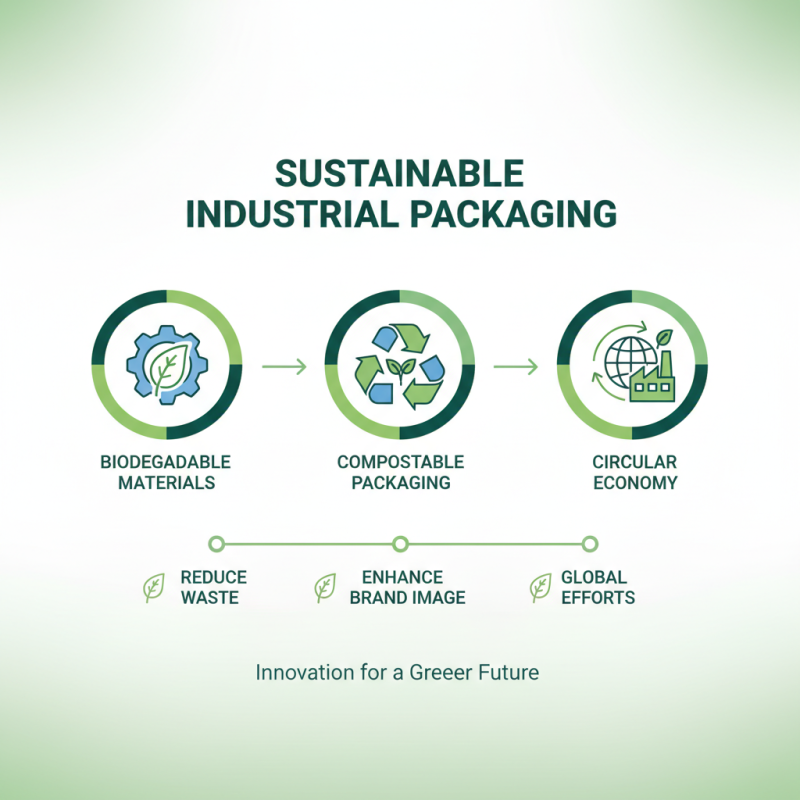
Sustainability has become a driving force in the evolution of industrial packaging, pushing businesses to adopt innovative solutions that minimize environmental impact. One of the key advancements in this area is the development of biodegradable materials that can replace traditional plastics. These eco-friendly alternatives not only reduce waste but also enhance the brand image of companies committed to sustainability. Many businesses are now exploring compostable packaging that can decompose naturally, promoting a circular economy where materials are reused and recycled, aligning with global efforts to reduce landfill waste.
In addition to materials, innovative design and efficiency play a significant role in sustainable industrial packaging. Practices such as optimizing package size and utilizing minimalistic designs help reduce material usage while ensuring product protection. Furthermore, companies are increasingly leveraging technology such as smart packaging, which can help track the lifecycle of products and enhance supply chain transparency. By integrating these best practices, businesses not only contribute to environmental conservation but also gain competitive advantages by meeting the growing consumer demand for sustainable products. Embracing sustainability in industrial packaging is no longer just an option; it is essential for responsible business operations in today’s eco-conscious marketplace.