2026 How to Find the Best Conveyor Systems for Sale?
Finding the right conveyor systems for sale can be a challenging task. With the vast options available, it's crucial to pinpoint your specific needs. Various industries require different types of conveyor systems, and each has its unique characteristics.
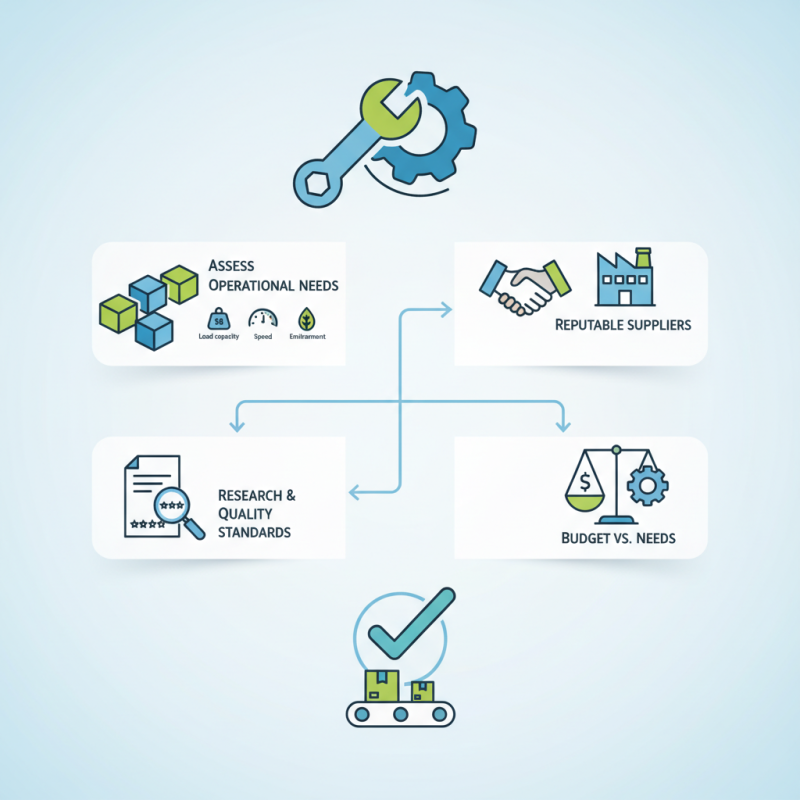
Before diving into your search, it’s wise to assess the operational requirements. Consider factors like load capacity, speed, and the environment. A thorough understanding of these factors leads to better decision-making. Also, be mindful of the suppliers you approach. It’s essential to engage with reputable companies. They often provide reliable solutions and support.
Research is your ally in this pursuit. Look for reviews and case studies from similar industries. Ensure the systems you consider meet quality standards. Balancing budget constraints with your operational needs may require reflection. Sometimes, the cheapest option might not be the most effective. Understanding the market is a vital step to ensure you select the best conveyor systems for sale.
Understanding Different Types of Conveyor Systems and Their Applications
Understanding the different types of conveyor systems is essential for efficient industrial operations. There are several main categories: belt, roller, and chain conveyors. Each type serves specific applications. For instance, belt conveyors are widely used for transporting bulk materials across various industries. According to the Material Handling Industry of America, the global market for conveyor systems is expected to grow by 4.2% annually, emphasizing their relevance.
Roller conveyors are ideal for handling unit loads. They work well when products need to move flat surface to flat surface. These systems can accommodate various weights, depending on the roller type. Chain conveyors, on the other hand, are robust and suitable for heavy-duty applications, such as automotive assembly lines. Research from the Conveyor Equipment Manufacturers Association indicates that these systems are critical for enhancing productivity.
Each conveyor type has its limitations. Belt conveyors can experience wear over time, affecting reliability. Roller systems may struggle to perform with irregularly shaped items. Chain conveyors require regular maintenance, which can be a logistical hurdle. Understanding these nuances helps businesses select the right conveyor system for their needs and improve overall efficiency. An informed choice can lead to significant operational benefits.
Assessing Your Material Handling Needs Before Selecting Conveyor Systems
When choosing conveyor systems for your business, assessing material handling needs is essential. A report by the Material Handling Industry Association (MHIA) shows that approximately 70% of operational costs are tied to material movement strategies. Understanding your specific needs in this area can lead to significant cost savings.
Begin by evaluating the types of materials you handle. Consider weight, size, and fragility. For example, handling bulk materials requires robust systems, while delicate items may need specialized conveyors. Not all systems are designed for every application, and mismatches can lead to inefficiencies. It's crucial to have clear specifications in mind.
Another factor is the layout of your facility. Space constraints can limit your options. Many companies underestimate their need for adaptability in the planning phases. A flexible conveyor system can be a game-changer as it allows for future expansions or changes. Evaluating these aspects reduces risks and leads to informed decisions that align with business goals.
Material Handling Needs Assessment
This chart represents the assessment of various factors to consider when selecting conveyor systems. It shows key dimensions such as weight capacity, speed, maintenance frequency, installation complexity, and energy efficiency. Each factor is crucial in determining the best conveyor system for specific material handling needs.
Key Features to Consider When Evaluating Conveyor Systems for Sale
When evaluating conveyor systems for sale, several key features play a crucial role. The type of material the conveyor will handle significantly impacts the overall effectiveness. Different materials have unique properties, so it's essential to assess compatibility. For instance, a system designed for heavy loads needs robust construction with appropriate support.
Speed and efficiency are also vital. An ideal conveyor system should match the pace of your production line. If the system is too slow, it can bottleneck operations. However, a high-speed system may require more maintenance. Consider the balance between speed and operational reliability.
Another important factor is the layout flexibility. Your production space may change over time. A conveyor system that allows easy modifications can save future costs. The ease of installation and maintenance is critical as well. Systems that are difficult to maintain may lead to downtime, affecting productivity. Assessing these features will guide you toward making a more informed decision. Finding the right conveyor system requires patience and careful consideration.
Comparing Prices and Manufacturers of Conveyor Systems in the Market
When looking for conveyor systems, understanding the market landscape is critical. A recent industry report indicates that the global conveyor systems market is expected to reach $8.4 billion by 2026. This growth reflects the increasing demand across sectors like manufacturing and warehousing. Price comparisons can be daunting. Many manufacturers offer similar products at varying rates. It's essential to assess features that directly impact efficiency and safety, such as load capacity and speed.
Exploring the price spectrum can reveal surprising discrepancies. Some companies charge a premium for machines with similar capabilities. A recent analysis found that smaller niche manufacturers often provide competitive pricing while maintaining high-quality standards. However, buyers should be cautious about extremely low-priced equipment, as this may indicate inferior materials or lack of support.
It's wise to review customer testimonials and case studies. These insights highlight both strengths and weaknesses of various models. Being aware of potential maintenance and part replacement costs is equally important. A conveyor system might seem affordable upfront but could incur high expenses over time due to frequent repairs. Taking a holistic approach to evaluating these systems ensures informed decisions that truly meet your operational needs.
2026 How to Find the Best Conveyor Systems for Sale? - Comparing Prices and Manufacturers of Conveyor Systems in the Market
| Manufacturer | Model | Price ($) | Capacity (kg/h) | Belt Width (cm) | Features |
| Manufacturer A | Model X1 | 1500 | 200 | 50 | Modular design, low noise |
| Manufacturer B | Model Y2 | 1800 | 250 | 75 | Energy-efficient, portable |
| Manufacturer C | Model Z3 | 2000 | 300 | 100 | High durability, customizable |
| Manufacturer D | Model W4 | 2200 | 350 | 80 | Fast installation, versatile |
Evaluating Customer Reviews and Industry Reputation of Conveyor Systems
When searching for conveyor systems for sale, customer reviews play an important role in decision-making. A recent industry report revealed that 78% of manufacturing professionals rely on reviews to evaluate equipment. These reviews provide insight into product performance and reliability. They can highlight potential issues that users experienced, which may not be evident in sales pitches.
The reputation of the manufacturer is also crucial. Established companies often have a history of longevity and customer support, which instills confidence. According to a survey by Material Handling Gateway, companies with high ratings in customer service saw a 40% increase in repeat business. However, new entrants in the market can offer innovative solutions. Yet, they might lack the robust customer feedback that builds trust.
It’s essential to balance these perspectives. While positive reviews can suggest high quality, negative experiences can reveal potential flaws. Not every system meets every business need. A thorough analysis ensures you don’t rush to judgment based solely on a few opinions. Consider both the praise and criticism stated in reviews for a more nuanced understanding of potential products.