Why Choose Compostable Stand Up Pouches for Sustainable Packaging?
In today's world, sustainability is becoming essential for brands. Consumers are increasingly aware of their choices' environmental impacts. Compostable Stand Up Pouches offer a forward-thinking solution for businesses aiming to reduce waste. These innovative pouches are made from organic materials that break down naturally over time.
Using Compostable Stand Up Pouches can align a brand with eco-friendly values. However, not all brands understand how to transition effectively. There might be uncertainties regarding performance and cost. Companies must navigate these challenges thoughtfully. The potential for positive brand perception and customer loyalty exists when done right. Overcoming the learning curve is crucial for long-term success.
As we explore the benefits of Compostable Stand Up Pouches, it's important to be realistic about limitations. Not every product may be suited for this type of packaging. Brands need to evaluate their specific needs. Despite these hurdles, the commitment to sustainability can be a powerful motivator for change.
Benefits of Compostable Stand Up Pouches for Eco-Friendly Packaging
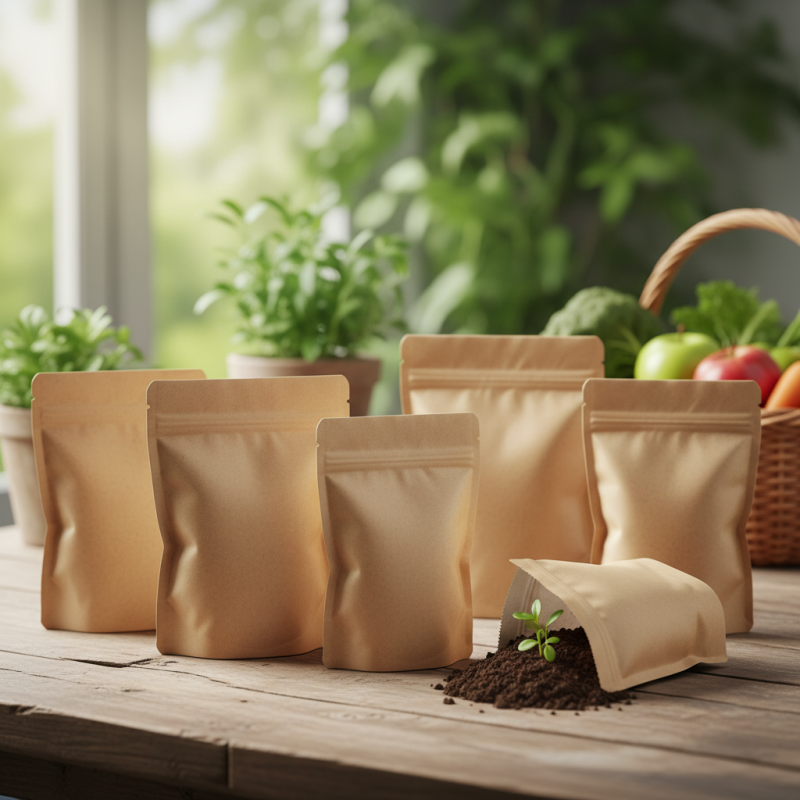
Compostable stand-up pouches are revolutionizing the packaging industry. They offer a sustainable alternative to traditional plastic options. Made from organic materials, these pouches decompose naturally, reducing landfill waste. Brands can showcase their commitment to eco-friendliness. The visual appeal and functionality of these pouches enhance product presentation. Consumers are increasingly drawn to brands that prioritize sustainability.
The benefits of compostable pouches extend beyond environmental impact. They are lightweight, which lowers shipping costs. Additionally, these pouches protect contents effectively, preserving freshness without using harmful chemicals. Yet, finding the right supplier can be challenging. Not all compostable materials break down at the same rate. Some may require specific conditions for composting. This variability can be confusing for businesses aiming to make the switch.
Consideration must also be given to the overall lifecycle of packaging. Compostable options should not simply replace plastic; they must also be part of a larger strategy. Educating consumers on proper disposal methods is critical. If not composted correctly, these pouches may not fulfill their potential. As the demand for eco-friendly solutions grows, so does the need for awareness and responsibility in packaging choices.
Benefits of Compostable Stand Up Pouches for Eco-Friendly Packaging
This bar chart illustrates the benefits of compostable stand-up pouches for sustainable packaging. The factors assessed include reduced plastic waste, biodegradability, energy efficiency, consumer preference, and versatile design, each rated on a scale of 1 to 10.
Materials Used in Compostable Stand Up Pouches and Their Sustainability
Compostable stand up pouches are made from renewable materials. These materials often include plant-based polymers, like corn starch or sugarcane. They break down naturally, reducing landfill waste. Consumers are increasingly aware of the benefits these pouches offer.
Sustainability is not just a trend; it’s a commitment. However, not all compostable materials perform equally. Some may still require specific conditions to break down effectively. Understanding this is essential for consumers and manufacturers. Bioplastic compositions can vary greatly in their environmental impact.
When opting for compostable packaging, consider its end-of-life options. Many pouches may not decompose in a typical landfill setting. Resources are needed to compost them properly. Educating oneself about these materials ensures more informed choices. This can foster accountability in the packaging industry. Exploring the balance between innovation and sustainability remains crucial.
Comparison of Compostable vs. Traditional Packaging Solutions
Compostable packaging is gaining traction in the sustainability movement. Traditional plastic packaging contributes significantly to environmental issues. According to a report from the World Economic Forum, around 300 million tons of plastic are produced yearly, with only 9% recycled. This stark reality drives the need for alternatives like compostable stand-up pouches.
Compostable options are designed to break down in industrial composting environments. They typically decompose within 90-180 days, unlike traditional plastics, which can take centuries. The Biodegradable Products Institute highlights that these pouches reduce landfill waste and promote a circular economy. They offer the same utility as traditional materials without long-term environmental costs. However, not all biodegradable solutions are created equal. Some may contain harmful additives that hinder their composting process.
Transitioning to compostable pouches raises several challenges. The current infrastructure for composting is not uniformly available worldwide. Moreover, consumer awareness of proper disposal methods remains low. A survey by the Plastics Industry Association revealed that 53% of consumers are unaware of how to compost properly. This gap in knowledge emphasizes the need for better education and infrastructure. While compostable stand-up pouches present a promising solution, obstructions in adoption must be resolved for their full potential to be realized.
Why Choose Compostable Stand Up Pouches for Sustainable Packaging? - Comparison of Compostable vs. Traditional Packaging Solutions
| Packaging Type | Material Composition | Decomposition Time | Environmental Impact | Cost Effectiveness | Usability & Functionality |
| Compostable Stand Up Pouches | Plant-based polymers (PLA, CPLA) | 90-180 days in composting conditions | Low carbon footprint, biodegradable, reduces landfill | Moderate (varies with scale) | High (tear-resistant, good barrier properties) |
| Traditional Plastic Pouches | Polyethylene, Polypropylene, PVC | 100-1000 years in landfill | High carbon footprint, non-biodegradable, creates microplastics | Low (widely available, cheaper production) | Moderate (water-resistant, varied thickness) |
Applications of Compostable Stand Up Pouches in Various Industries
Compostable stand-up pouches are gaining traction in various industries. Their eco-friendly design makes them ideal for businesses aiming at sustainability. Food packaging, personal care items, and pet products are great examples. These pouches decompose naturally, reducing landfill waste and benefiting the environment.
In the food sector, companies are turning to these pouches to package snacks and organic goods. They provide an airtight seal, which keeps products fresh. However, achieving the right balance between durability and compostability can be tricky. Manufacturers must prioritize quality to ensure the pouches perform as expected.
Tips: Always check certifications when choosing packaging materials. Look for recognized compostability labels. This ensures the pouches break down as intended. Consider customer feedback regarding packaging. Their opinions can guide improvements in materials and design, aligning with eco-conscious preferences.
Beauty and personal care brands are also exploring compostable options. These pouches can hold serums, oils, or lotions. However, the challenge is to maintain product integrity. Testing different materials can lead to better results. Each industry has unique requirements that impact pouch performance.
Are you thinking of switching to compostable packaging? Evaluate your supply chain. Working closely with manufacturers can address challenges. This collaboration can lead to innovative solutions that meet both sustainability and functionality needs.
Consumer Trends Favoring Sustainable Packaging Solutions
Consumer trends are increasingly shifting towards sustainability. Many are looking for eco-friendly packaging options. This demand has driven businesses to explore various solutions. Compostable stand-up pouches are gaining popularity due to their minimal environmental impact. These pouches break down naturally, unlike traditional plastic bags.
Choosing compostable pouches shows commitment to the environment. Consumers appreciate brands that prioritize sustainability. They tend to favor products that align with their values. This trend encourages companies to innovate packaging solutions. It also creates a positive brand image. Engaging in sustainable practices may attract more customers who prioritize eco-friendliness.
Tips: Consider the materials used in your packaging. Look for certifications to ensure compostability. Communicate your sustainability story to consumers effectively. Many shoppers value transparency and prefer brands that share their environmental goals. Highlighting these aspects enhances trust and loyalty. Small changes in packaging can lead to significant impacts on the environment.