
Choosing an HDPE bottle supplier involves more than comparing unit prices. A bottle must fit the product, filling line, and shipping conditions. Small mismatches matter. A cap that loosens during transit or a neck finish that jams equipment can create costly delays. Buyers should confirm resin specifications, bottle capacity, wall thickness, closure compatibility, and available color options. Ask for drawings, sample bottles, and written tolerances before approving production. Samples help, but one sample cannot represent every production run.
Supplier review should include manufacturing controls and traceability. Request evidence of inspection procedures, batch identification, and how defects are handled. For food, personal-care, or chemical applications, verify that material and packaging documentation matches the intended use; requirements vary by market and product. Avoid relying on broad claims such as “premium quality” without test records or clear specifications. Ask about minimum order quantities, lead times, tooling ownership, and contingency plans. These details often matter more than a polished sales presentation. They matter later.
A dependable partner communicates changes early and provides consistent records. Compare total cost, not only the bottle price: freight, closures, rejects, storage, and changeover time can shift the calculation. No checklist removes every risk. Still, careful questions and physical trials make the choice more defensible. The right hdpe bottle supplier should explain what it can verify, where its limits are, and how it will respond when a batch falls short.
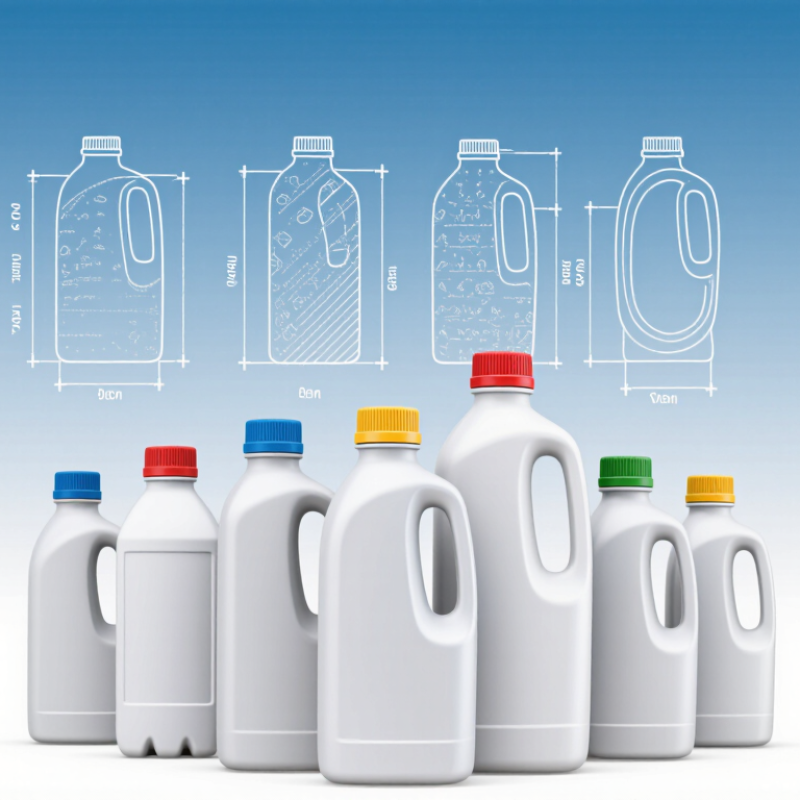
Before comparing HDPE bottle suppliers, define what the bottle must do. Record its fill volume, overall height, body diameter, neck finish, and preferred wall thickness. A 500-milliliter bottle may look right on screen but still crowd a filling line or shelf. Specify resin requirements, color, opacity, and whether the bottle needs a particular grip or dispensing feature. Check that the closure fits the neck finish and works with your filling equipment. Small mismatches can cause delays.
Tips: Share a drawing or sample when possible. Include the product type, target order quantity, expected production schedule, and shipping destination. Ask about sample lead times and available quality checks. Keep tolerances clear, not just “close enough.”
Production needs shape the right specification. For example, a lightweight design may reduce material use, but it should still withstand handling and stacking. Ask how the supplier evaluates wall thickness, dimensions, and bottle performance. Request samples for fit checks and practical trials before approving a large run. A specification sheet can miss details; that is worth admitting early. If your forecast is uncertain, discuss realistic order sizes and repeat-production timing. Clear requirements help suppliers quote accurately and reveal where a design may need adjustment.

Assessing manufacturing capability means looking beyond a supplier’s equipment list. Ask whether its extrusion blow-molding lines can hold your bottle’s weight, wall thickness, and neck finish consistently. Request recent inspection records, not just a sample from a perfect production run. Check how operators measure bottle dimensions and detect leaks. Small details matter.
Capacity is more than a machine’s maximum output. Ask about actual shift capacity, changeover time, maintenance schedules, and backup equipment.
Plastics waste reached 353 million tonnes globally in 2019, while only 9% was recycled, according to the OECD’s Global Plastics Outlook (2022). This makes resin handling and production scrap controls useful parts of a supplier review. Ask how the supplier segregates rejected bottles and tracks resin batches. Confirm that recycled content, if used, is documented and consistent with your product requirements.
Visit the production floor when possible. Watch a line run, inspect bottles from different points in the shift, and compare measured results with the written specification. Ask for evidence of corrective actions after defects, such as uneven walls or poorly formed handles. One caveat: a polished audit can still miss a bad shift. Request a pilot run or repeat samples before committing to large orders. A few questions may feel awkward, but clear answers reveal whether the process is controlled—or merely familiar.
A reliable HDPE bottle supplier should explain the resin grade, not just describe it as “high quality.” Ask for batch-specific certificates of analysis and traceability records. Check whether the resin is virgin or contains recycled content, and whether that matches your product’s requirements. Small details matter. Look for consistent bottle weight, wall thickness, neck finish, and color across samples.
Ask how bottles are tested before shipment. Useful checks may include leak, drop, closure-fit, and dimensional tests. Request the test method, acceptance limits, and recent results—not only a general statement that testing occurs. A polished report can be reassuring, but it does not prove the bottle will perform on your filling line. Test production samples with your own cap, liquid, and handling conditions where practical.
Regulatory documents should match the bottle’s intended use and destination market. Request current declarations and supporting reports for applicable requirements, such as food-contact suitability, when relevant. Confirm that the documents cover the exact resin, colorants, and bottle construction you plan to buy. Requirements can vary, and a certificate may have a narrower scope than its title suggests. I would treat missing details as a reason to ask more questions, not as an automatic rejection. Keep the records. A clear, specific answer often tells you more than a thick document.
| Evaluation Area | What to Verify | Evidence to Request | Practical Acceptance Check | Warning Sign |
|---|---|---|---|---|
| Resin identity and grade | Confirm the bottle is made from the specified high-density polyethylene (HDPE) resin and that the resin grade suits the intended product, process, and filling conditions. | Resin technical data sheet, grade identification, and a certificate of analysis (CoA) or lot-traceability record. | Compare the resin designation and agreed properties with the purchase specification. Require change notification if the resin grade or formulation changes. | The supplier cannot identify the resin grade or connect production lots to material records. |
| Material consistency | Check that relevant properties, such as density, melt flow rate, color, and odor, are controlled against an agreed specification. Limits depend on the resin and bottle design. | Current technical data, incoming-material checks, and representative lot test records. | Agree on measurable limits and test methods before ordering; do not rely on appearance alone to establish material identity or performance. | Acceptance is based only on a visual check, with no documented limits or lot controls. |
| Recycled content and additives | Identify whether recycled resin, colorants, processing aids, or other additives are used, and confirm that they are permitted for the intended application and market. | Written material declaration, recycled-content statement where applicable, and supporting compliance documentation. | Specify whether recycled content is allowed and define any required disclosure, traceability, or restrictions for the product use. | Material composition or recycled-content status is undisclosed or may change without approval. |
| Food-contact suitability | For food applications, assess the finished article and its intended conditions of use, including food type, contact time, and temperature. | Applicable food-contact declaration and supporting documentation for the target market and intended use. | For the United States, assess applicable requirements such as 21 CFR 177.1520 for olefin polymers. For the European Union, assess Regulation (EU) No 10/2011 and applicable migration requirements. Applicability depends on the materials and use. | A broad claim such as “FDA approved” is offered without identifying the applicable regulation, conditions of use, or supporting records. |
| Pharmaceutical or healthcare packaging | Determine whether the packaging needs additional controls for the product, manufacturing environment, cleanliness, traceability, or change management. | Quality-system documentation, relevant manufacturing controls, and product-specific qualification records. | Where relevant, assess whether an ISO 15378-based quality management system is suitable for the packaging scope. Certification does not replace product-specific qualification or regulatory review. | The supplier presents a general quality certificate as proof that the bottle is suitable for every medicinal or healthcare use. |
| Leak and closure performance | Verify the bottle, neck finish, cap, liner, and application method as a complete packaging system. | Leak-test method and results, closure specifications, and application-torque or sealing instructions where applicable. | Define the test method, sample quantity, conditioning, and pass/fail criteria for the actual package and contents. Confirm compatibility with the filling and capping process. | Testing covers the bottle alone while ignoring the selected closure or filling conditions. |
| Mechanical and distribution testing | Assess impact, handling, and transport performance based on the bottle’s weight, contents, pack configuration, and distribution route. | Test protocol, conditioning details, sample identification, results, and any corrective-action records. | ASTM D5276 describes free-fall drop testing of loaded containers. A suitable test plan should define the relevant test conditions and acceptance criteria for the application. | Test results are provided without test conditions, sample details, or agreed pass/fail limits. |
| Dimensions and capacity | Check nominal capacity, brimful capacity where relevant, height, diameter, neck finish, wall distribution, and fit with the filling line. | Dimensioned drawings, inspection reports, and samples from production tooling. | Set tolerances in the approved drawing or specification and verify critical dimensions against the customer’s equipment and closure requirements. | Dimensions are described as “standard” without an approved drawing or tolerance range. |
| Lot traceability and change control | Confirm that production lots can be traced to resin, manufacturing records, inspection results, and shipment documentation. | Example lot code, traceability procedure, and written change-notification process. | Agree how the supplier will identify affected lots and notify the buyer before changes to materials, tooling, manufacturing location, or critical processes. | Lot codes are absent or the supplier cannot describe how a defect or material change would be traced. |
| Supplier qualification and ongoing control | Review the supplier’s quality system, complaint handling, corrective action, and ability to maintain consistent production. | Quality-system certificate or audit information, inspection plan, nonconformance process, and corrective-action records where available. | Confirm the scope and validity of any certification and assess whether the supplier’s controls match the product’s risk and intended use. | A certificate is presented without scope or validity details, or recurring issues have no documented corrective action. |
Selection principle: Document the intended use, target markets, bottle and closure specifications, test methods, and acceptance criteria before qualification. Regulatory requirements and test conditions vary by product, jurisdiction, and use; verify them for the specific application.
When comparing HDPE bottle suppliers, look beyond the quoted price per unit. Ask whether the quote includes caps, liners, labels, tooling, and freight. A low unit price can still be the wrong deal. Check the full quote. Confirm whether pricing changes with resin costs, color, bottle weight, or order volume. Request a sample made to the same specifications as production; a lighter wall may look fine on screen but feel less sturdy in hand.
Minimum order quantities affect cash flow and storage. A supplier with a large MOQ may offer better pricing, but cartons can occupy valuable space for months. Ask if a trial run or mixed-size order is possible, and confirm whether setup fees apply. Delivery terms deserve equal attention. Get the production lead time, dispatch date, shipping method, and responsibility for freight in writing. Ask what happens if a shipment is delayed or arrives short. Ask for dates.
Tips: Compare quotes using the same bottle capacity, neck finish, color, and packaging details. Check whether delivery estimates begin after deposit, sample approval, or artwork sign-off. Keep a small buffer for inspection and transit; schedules can slip, even when everyone planned carefully. That part is easy to underestimate.
A dependable HDPE bottle supplier does more than quote a competitive price. Clear communication helps prevent small packaging details from becoming costly production delays. Ask how quickly the supplier responds to technical questions, confirms order changes, and reports potential delays. Request written specifications for bottle capacity, neck finish, wall thickness, and color. These details matter when bottles reach filling lines or need compatible closures. A polished sales call is useful, but consistent follow-through matters more.
Tips: Send a sample inquiry with a realistic deadline. Notice whether the supplier asks about bottle use, filling conditions, and expected order volume. Keep replies, drawings, and approved samples together. Small records help when teams change.
Long-term reliability shows in routine work. Check whether delivery dates stay consistent across repeat orders, and ask how quality issues are documented and corrected. A supplier should explain its inspection process in plain terms, not only promise “high quality.” Review how it handles material changes, capacity constraints, and urgent requests. No checklist catches everything. I would still reassess the relationship after a missed shipment or unexplained variation, rather than assuming one good order proves lasting reliability. Honest updates can preserve trust, even when the news is not ideal.
Evaluate Communication and Long-Term Supplier Reliability
Use these illustrative 1–5 scores as a starting point when comparing suppliers. Assess response clarity, issue resolution, delivery consistency, quality documentation, and production capacity using your own records and reference checks. The scores are an example, not survey results.