

Choosing the best wine box in 2026 means balancing protection, presentation, price, and practical use. The Wine Box should fit the bottle securely, not merely look attractive on a shelf. Check the bottle’s height, diameter, and shape before choosing a single-bottle or multi-bottle design. A snug insert helps limit movement during ordinary handling. It does not replace careful packing for shipping. Corrugated cardboard is lightweight and can provide useful cushioning with a suitable insert. Rigid paperboard often gives gifts a cleaner, more polished look. Wood feels substantial, but it adds weight and may require more storage space. Small details matter. Check the closure, interior finish, print quality, and whether the box opens without damaging its contents.
Material choice should reflect how the box will be used. For a gift, consider easy opening and room for a note. For retail display, compare finish and shelf presence. For transport, prioritize a secure fit and clear handling guidance. Test the fit. Before ordering in quantity, request a sample and inspect it with the actual bottle. Also review dimensions, insert materials, and any sustainability claims; specific, verifiable information is more useful than a vague “eco-friendly” label. A practical checklist can still miss personal preference. Sometimes a box looks excellent online but feels too formal in person. That is why comparing samples, costs, and use cases is more reliable than choosing by appearance alone. The right choice is the one that protects the bottle and suits its purpose without adding needless bulk or expense.
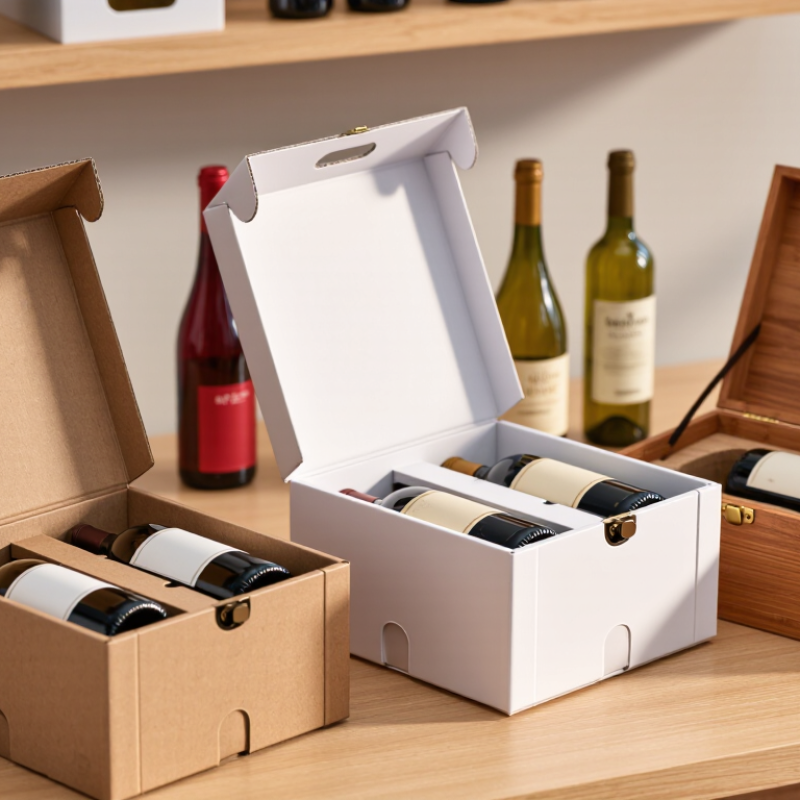
Choosing a wine box starts with its job: protecting bottles in storage, surviving a delivery, or making a gift feel considered. The International Organisation of Vine and Wine estimated 221 million hectolitres of global wine consumption in 2023, its lowest level since 1996. That scale reflects varied needs, not one perfect package. For a cellar shelf, choose a rigid box that keeps bottles stable and away from light. For shipping, look for snug dividers and cushioning around the bottle’s neck and base. A handsome gift box may not protect a bottle through rough handling.
Think about the route and conditions. A short car ride needs less protection than a parcel crossing several transfer points. For longer journeys, check that the packaging has been tested for impacts and vibration; appearance alone is no guarantee. If wine will sit in the box, consider airflow and a cool, steady storage area. Even so, the OIV’s consumption figure cannot tell you which box to buy. Your actual use matters more.
Tips: Measure bottle height and diameter before ordering. Test the fit with a sample, if possible. Leave no rattling room. For gifting, add a simple card or tissue, but don’t let decoration replace cushioning. A neat box can still be wrong.
| Your Need | Typical Capacity | Recommended Box Type | Protection and Features | Best For | What to Check |
|---|---|---|---|---|---|
| Organizing wine at home | Often 6 or 12 bottles | Sturdy corrugated carton with dividers, or a reusable wine crate | Separate compartments help keep bottles from knocking together. A firm base supports the packed bottles. | Moving bottles between rooms or keeping a small collection organized in a dry, dark area. | Confirm that the box is intended for the bottle shape and can be stored away from dampness and direct sunlight. |
| Long-term wine storage | Varies with the collection and storage system | Wine rack or purpose-built storage system; use a carton mainly for temporary organization | A box does not control temperature or humidity. Stable, suitable storage conditions matter more for aging wine. | Collectors who plan to keep bottles for an extended period. | Choose a suitable wine-storage environment. Do not rely on ordinary cardboard packaging to regulate climate. |
| Shipping a single bottle | 1 bottle | Purpose-made bottle shipper with a fitted internal insert and a strong outer carton | The insert should hold the bottle securely and cushion it from impact. The outer carton should close firmly. | Sending one bottle by parcel or preparing a bottle for a delivery service. | Check the carrier’s current rules for alcohol, packaging, labeling, and destination restrictions before sending. |
| Shipping several bottles | Commonly 2, 3, 6, or 12 bottles | Multi-bottle corrugated shipper with individual cells or a fitted protective insert | Individual separation reduces bottle-to-bottle contact. A snug fit limits movement during handling. | Wine orders, event deliveries, or transporting multiple bottles together. | Check loaded weight, outer-carton strength, bottle fit, and carrier requirements. Test the packed box before relying on it for a shipment. |
| Gifting one bottle | 1 bottle | Decorative rigid carton, paperboard gift box, or presentation box with a fitted support | A clean finish and secure insert improve presentation and help prevent the bottle from shifting during hand-carrying. | Birthdays, dinners, thank-you gifts, and other personal occasions. | Confirm the box fits the bottle and includes an insert; a decorative gift box is not necessarily suitable for parcel shipping. |
| Gifting a set or wine-and-accessory bundle | Usually 2 or more bottles, or 1 bottle with accessories | Gift box with separate compartments, a divider, or a shaped insert | Dedicated spaces keep bottles and accessories apart and make the contents easier to arrange. | Corporate gifts, celebrations, and curated wine sets. | Measure every item in the set and check the insert layout, lid closure, and total packed weight. |
| Traveling with wine | 1 or more bottles | Padded bottle carrier or a fitted protective case | Padded walls and bottle separation help protect against bumps during personal transport. | Car journeys, picnics, or carrying wine to an event. | For air travel, check the airline’s current baggage rules. A soft carrier is not automatically suitable for checked baggage. |
| Choosing a box for unusual bottles | Depends on bottle size and shape | Custom-sized carton or adjustable protective insert | A correctly fitted insert can accommodate bottles that are taller, wider, or differently shaped than standard bottles. | Sparkling wine, large-format bottles, or distinctive bottle designs. | Measure the bottle’s height, widest diameter, and neck or shoulder shape. Do not assume every 750 ml bottle has identical dimensions. |
Quick selection tip: Start with the purpose—storage, shipping, gifting, or travel—then match the box to the bottle’s actual dimensions and packed weight. For shipping, verify the carrier’s current alcohol and packaging requirements; rules can vary by carrier and destination.