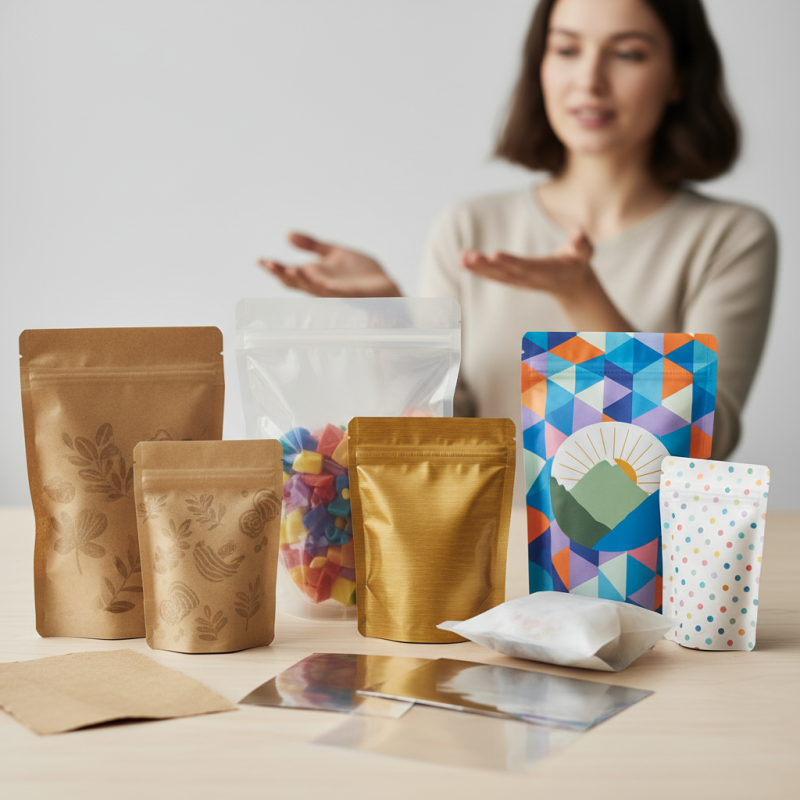
How to Choose the Best Stand Up Box Pouch for Your Needs?
Choosing the right stand up box pouch can be a game-changer for many businesses. According to packaging expert Sarah Thompson, "The right pouch can enhance product appeal and improve shelf life." This highlights the importance of making an informed decision.
Stand up box pouches are versatile. They serve various products from food to cosmetics. However, not all pouches are created equal. Some may lack durability or proper sealing features. It’s essential to consider materials used. For instance, eco-friendly options are becoming increasingly popular.
Think about your product’s unique needs. What size do you require? How much protection does your product need? The design is also crucial. An eye-catching pouch can stand out on shelves. Remember that choosing the right stand up box pouch is a process. Take your time and evaluate your options carefully.
Understanding Stand Up Box Pouches: An Overview of Features
Stand up box pouches are versatile packaging solutions. They offer convenience and functionality. Features like resealable zippers enhance usability. The global market for flexible packaging, including stand up pouches, is projected to reach $400 billion by 2025, driven by increased demand in food and beverage sectors.
One key feature to consider is material composition. Many pouches are made from multi-layer films, providing barrier properties that keep contents fresh. However, some materials are not fully recyclable. This raises questions about sustainability. Furthermore, the sealing technology affects the durability of the pouch. Inadequate sealing can lead to product spoilage or leaks, which might compromise consumer trust.
Size and capacity are also crucial. Stand up pouches come in various sizes, catering to different product types. A 2023 industry report indicates that the most preferred sizes are between 250 grams to 1 kilogram. However, choosing the wrong size can lead to excessive packaging waste or insufficient volume for consumers. It's a delicate balance to strike. Evaluating your specific needs can lead to better packaging choices.
Identifying Your Packaging Needs: Key Considerations to Evaluate
Selecting the ideal stand-up box pouch starts with understanding your specific packaging needs. What will you pack? Consider the volume and weight of your product. If you're dealing with liquids, ensure your pouch has a sturdy seal. If it's dry goods, think about how much space is needed.
Next, think about the features that matter. Do you need a spout for easy pouring? How about a resealable zipper? These small details can greatly affect user experience. The design should be appealing too. Eye-catching graphics can boost sales. Yet, don’t overlook sustainability. Are recyclable options available?
Also, evaluate the size of the pouch. Make sure it fits well on shelves. Too big might waste space. Too small could lead to product damage. It's important to reflect on these aspects carefully. Take your time; the right choice can impact sales and customer satisfaction.
Material Choices: Comparing Plastic and Eco-Friendly Options
When choosing a stand-up box pouch, material is key. Plastic pouches offer durability and flexibility. They provide a barrier against moisture and oxygen, but they raise environmental concerns. Research indicates that approximately 79% of plastic waste ends up in landfills and oceans. This statistic highlights the environmental impact of plastic materials.
Eco-friendly options are increasingly popular. Materials like biodegradable films and recycled paper present beneficial alternatives. They reduce the carbon footprint. Studies show that using sustainable materials can cut production emissions by 30%. This shift not only aids the planet but appeals to eco-conscious consumers.
Yet, eco-friendly doesn't mean flawless. Some biodegradable options may still require specific conditions to decompose. Not all consumers understand these requirements. There is a balance between convenience and sustainability. Being uninformed can lead to unintended consequences in waste management. As consumers, we must reflect on our choices and consider the environment in every decision we make.
How to Choose the Best Stand Up Box Pouch for Your Needs? - Material Choices: Comparing Plastic and Eco-Friendly Options
| Material Type | Durability | Environmental Impact | Cost | Best Uses |
| Plastic | High | Medium | Low | Food Packaging, Liquids |
| Kraft Paper | Medium | Low | Medium | Dry Goods, Eco-Friendly Products |
| Biodegradable Plastic | Medium | Low | Medium | Food and Beverage Packages |
| Recycled Plastic | High | Medium | Medium | Takeaway Foods, Snacks |
| Compostable Materials | Medium | Very Low | High | Organic Products, Food Items |
Size and Capacity: Selecting the Right Dimensions for Your Product
Choosing the right dimensions for a stand-up box pouch is crucial. Size directly impacts storage, shelf presence, and customer convenience. A pouch that is too large wastes materials. Conversely, a small pouch may not attract enough attention. Industry reports indicate that nearly 70% of consumers prefer packages with excellent usability.
Key dimensions include height, width, and depth. For instance, a typical stand-up pouch height ranges from 6 to 12 inches. Width is usually between 4 to 8 inches. Analyzing your product’s volume helps determine the optimal size. Some products, like snacks, require a spacious design. Be cautious, though. Overestimating size leads to excess material use. This is not eco-friendly.
Consider your audience. Are they looking for portability? Easy stacking? Industry studies show that 80% of shoppers seek convenience. A well-sized pouch can boost customer satisfaction and sales. Ensure the package aligns with your marketing goals. Misjudging the size could affect brand perception. Take time to refine your dimensions for a better market fit.
Size and Capacity: Selecting the Right Dimensions for Your Stand Up Box Pouch
Design and Customization: Enhancing Brand Appeal with Graphics
When designing a stand-up box pouch, graphics play a crucial role. Visual appeal can attract customers and help brands stand out. Unique designs create a connection with customers. The color palette, typography, and imagery are essential elements. They should align with your brand identity.
Tips for customization include focusing on clarity and relevance. Use graphics that convey your product’s essence. Simplicity can be powerful. Avoid overcrowding the design, which may confuse your audience. Consider your target market's preferences. What resonates with them? Is it vibrant colors or minimalist styles? Reflect on these questions.
Testing various designs is vital. Gather feedback from potential customers. A design that seems perfect may not always resonate. Make necessary adjustments and refine your graphics. Remember, the goal is an engaging and attractive pouch that reflects your brand.