How to Choose the Best Plastic Jar Containers for Your Needs?
Choosing the right Plastic Jar Containers can significantly impact your storage solutions. With numerous options available, it is essential to understand your specific needs. From size to material, every detail matters.
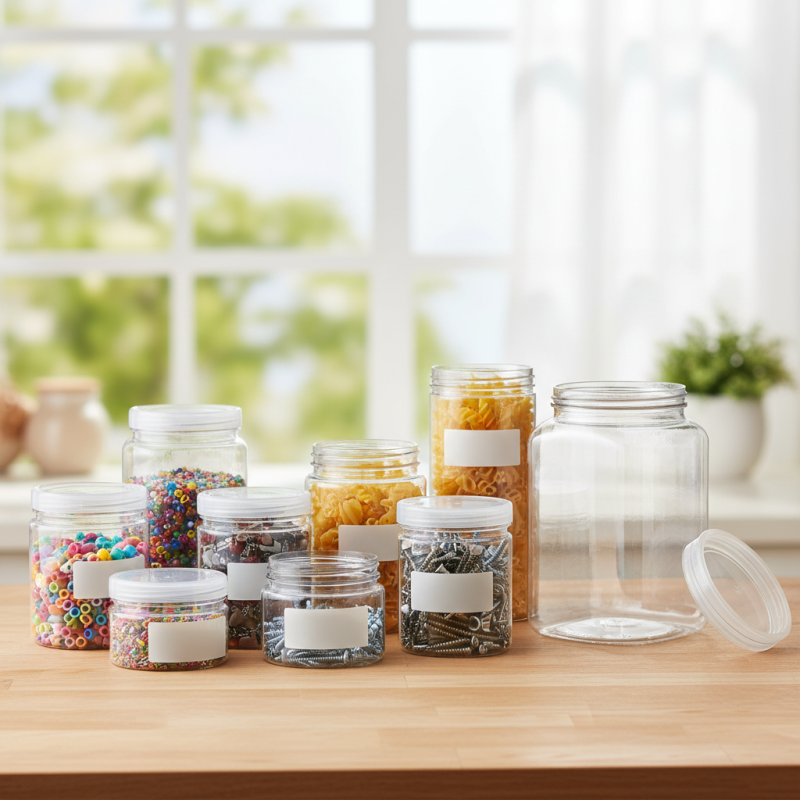
Plastic jar containers offer versatility for various purposes, such as food storage, craft supplies, or organizing tools. When selecting, consider the container's durability and sealing capabilities. These factors contribute to preserving contents effectively.
While many brands claim to offer the best, not all are equal. Researching customer reviews can provide insights into their usability and reliability. Mistakes often happen, such as overestimating the required size or choosing the wrong material. Reflecting on past choices can guide better decisions in the future. Choosing the right containers is not just a task; it’s an opportunity for improvement.
Understanding Your Storage Needs and Applications
Choosing the right plastic jar containers begins with understanding your specific storage needs. Different applications require different features. For example, the food industry often needs airtight containers to preserve freshness. Research shows that 70% of consumers prefer transparent containers for easy visibility. This preference affects buying choices and reinforces the need for manufacturers to offer clear options.
Another important factor is the size and shape of the jars. Smaller jars are often ideal for spices or herbs, while larger containers suit bulk items. According to industry reports, 56% of companies find that ergonomically designed jars improve user experience. However, many still overlook the importance of weighing function against aesthetics. Users often get distracted by attractive designs rather than practicality.
Durability also plays a significant role. Many plastic jars can crack or warp under pressure or extreme temperatures. A study revealed that 40% of users experienced quality issues with their containers. This highlights the need to prioritize high-quality materials over low cost. Some consumers may feel satisfied with cheap options initially but eventually face waste and replacement costs. Being aware of these factors can guide buyers towards better decisions.
How to Choose the Best Plastic Jar Containers for Your Needs?
| Container Type |
Capacity (ml) |
Material |
Uses |
Features |
| Standard Jar |
500 |
PET |
Food storage |
Tamper evident lid |
| Wide Mouth Jar |
1000 |
PP |
Bulky items |
Easy access |
| Cosmetic Jar |
250 |
Acrylic |
Creams and lotions |
UV protection |
| Sample Jar |
50 |
HDPE |
Sample storage |
Screw lid |
| Opaque Jar |
750 |
PVC |
Light-sensitive products |
Block UV rays |
Evaluating Different Types of Plastic Jar Containers
When evaluating different types of plastic jar containers, consider their intended purpose. Various materials can impact functionality. For example, polypropylene (PP) jars offer excellent clarity and rigidity. They are often chosen for food packaging due to their chemical resistance. Meanwhile, polyethylene (PE) jars are more flexible and generally cost-effective. They work well for non-food items, providing decent impact resistance.
It’s important to evaluate the size and shape. Studies show that 30% of users prefer wide-mouth jars for easier access. This can be especially helpful in industries such as cosmetics and food manufacturing. Make sure to consider the screw cap options as well. A secure fit can prevent spills and contamination, which is critical in maintaining product quality.
Tips: Always check the material safety data sheets (MSDS) before choosing containers. These documents provide crucial information about the plastic's suitability for your specific use. If aesthetics matter, explore options that allow custom labeling or printing. Remember, the right jar can enhance user experience but may come with a higher cost. Reflections on durability versus price are essential. Research shows that long-term use often outweighs initial savings, leading to better overall value.
Comparing Sizes, Shapes, and Features of Plastic Jars
When choosing the right plastic jar containers, size and shape matter greatly. A small jar can hold spices, while larger ones suit grains or bulk snacks. Decide the primary use before selecting the size. Clear jars show contents easily. Opaque ones protect light-sensitive items. Each option has its pros and cons.
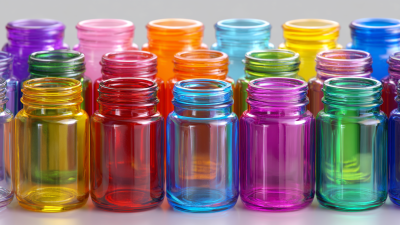
Shapes also play a crucial role. Round jars are classic and versatile, fitting into most spaces. Square or rectangular jars maximize storage. Think about where you will use them. Aesthetic choices, like color and design, also influence your decision. Transparent jars can enhance visual appeal in your pantry or craft area.
When considering features, look for lids that secure tightly. Some containers have built-in measuring cups or airtight seals. Reflect on your needs. If you plan to transport jars, durability is essential. This can impact your choice significantly. Always assess your habits to find the best fit. Embrace trial and error when perfecting your selection.
Assessing Safety and Durability Standards for Plastic Containers
When selecting plastic jar containers, safety and durability are paramount. The FDA outlines specific safety standards for food-grade plastics. Containers must meet regulations to ensure safe storage. Utilizing materials like polypropylene (PP) or polyethylene (PE) can offer better safety profiles. Reports suggest that over 70% of consumers are concerned about plastic leaching chemicals into food.
Durability is another critical aspect. Many plastic jars are prone to cracking or warping under stress. Choosing options that withstand temperatures between -40°C to 120°C can enhance longevity. A study indicated that up to 30% of plastic containers fail after repeated use due to material fatigue. Paying attention to wall thickness and seal integrity is crucial in ensuring product reliability.
However, it’s worth noting some plastic products do not disclose their durability ratings. This lack of transparency can lead to poor choices. It’s vital to seek containers that provide clear safety certifications and performance testing results. The varying quality in plastic manufacturing can sometimes be a grey area for consumers, leading to potential misunderstandings about what’s truly safe for their needs.