Why Choose Plastic Boxes for Your Packaging Needs?
In today's competitive market, packaging has become a crucial aspect of product presentation and protection. Companies are increasingly turning to Plastic boxes for their packaging needs. According to a recent report by Smithers Pira, the global plastic packaging market is projected to reach $456 billion by 2025. This growth is driven by the versatility, durability, and cost-effectiveness of plastic materials.
Plastic boxes provide superior protection for products during storage and transportation. They are lightweight yet robust, ensuring minimal damage and waste. However, not all plastic is created equal. Selecting high-quality, recyclable options is essential for sustainability. This need for eco-conscious packaging solutions reflects consumer preferences for responsible brands.
Despite their advantages, the environmental impact of plastic waste cannot be overlooked. The challenge remains in balancing functionality with sustainability. Brands must reflect on their packaging choices and consider innovative ways to reduce plastic use. In conclusion, while plastic boxes offer numerous benefits, reflecting on the impact of plastic on our environment is vital for future growth.
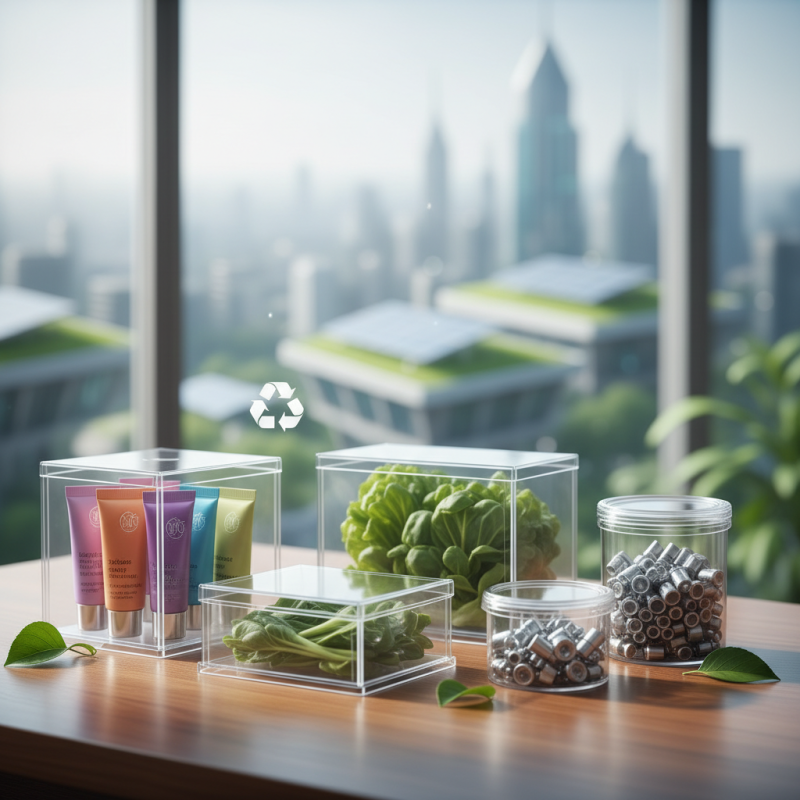
Benefits of Using Plastic Boxes for Packaging
When considering packaging options, plastic boxes offer numerous benefits. A report from the Plastics Industry Association shows that plastic packaging has seen a growth rate of 4.2% annually. This trend highlights its increasing popularity among businesses. Plastic boxes are lightweight yet sturdy, making them an optimal choice for shipping and storage.
One major advantage is their versatility. They can be molded into various shapes and sizes, accommodating different products efficiently. Additionally, plastic boxes provide excellent protection against moisture, dust, and physical impacts. Studies indicate that nearly 70% of manufacturers prefer using plastic for these protective qualities. This can significantly reduce product loss during transport.
Tip: To maximize protection, opt for boxes with secure closures. This prevents items from shifting during transit.
Moreover, plastic boxes are often reusable and recyclable. This addresses sustainability concerns while also reducing costs. However, not all plastics are created equal. Some may leach harmful substances, which necessitates careful selection for food packaging. This points to the need for better awareness and research in material choices.
Tip: Research the type of plastic to ensure it meets safety standards for your specific application.
Comparison of Plastic Boxes and Other Packaging Materials
When evaluating packaging materials, plastic boxes stand out. They offer durability and versatility. Reports show that plastic packaging can reduce transportation costs by 30%. This is largely due to their lightweight nature, which reduces overall shipping weights. Unlike cardboard, plastic boxes are resistant to moisture and pests, making them a preferable option for many products.
Research indicates that around 40% of consumers prefer plastic packaging for its perceived quality. Plastic boxes maintain product integrity better than paper or glass options. However, concerns about plastic waste linger. The industry is actively addressing this issue. Innovations in biodegradable plastics show promise. These materials aim to reduce environmental impact while retaining the benefits of traditional plastic.
Tip: Consider using recycled plastic boxes. They can help reduce waste and often cost less than new plastic options. Always check local recycling guidelines to ensure proper disposal.
Tip: Assess your product's specific needs. Some products may require more robust solutions, while others can thrive in lighter materials. Balancing durability with functionality is essential for efficient packaging strategies.
Durability and Versatility of Plastic Packaging Solutions
When it comes to packaging, the durability and versatility of plastic boxes stand out. They can withstand various environmental conditions, making them ideal for protecting products during transportation. Unlike cardboard, plastic does not easily absorb moisture or break down over time. This ensures that your items remain safe and intact, regardless of the journey.
Moreover, plastic packaging solutions are incredibly versatile. They come in various shapes and sizes, accommodating different products. Whether you need a robust container for heavy items or a sleek box for delicate goods, plastic boxes can meet your requirements. Their lightweight nature also reduces shipping costs, which can be beneficial for businesses.
**Tips:** Choose the right thickness of plastic for your specific needs. A thicker plastic may provide more protection, but it can also add to costs. Experiment with quantities to find the best solution for your packaging challenges. Regularly assess the condition of your plastic boxes to ensure they remain suitable for your items.
Environmental Considerations in Plastic Box Usage
Plastic boxes are gaining popularity for packaging solutions. Their versatility and durability make them appealing. However, environmental considerations are crucial when using plastic materials. Many plastic boxes are recyclable, providing a second life for the material. This is a step in the right direction for sustainability.
When choosing plastic boxes, consider their life cycle. It’s important to assess their impact on the environment. Many consumers are unaware of the differences between biodegradable and non-biodegradable plastics. A simple tip: always check the material type before purchase. Opt for boxes made from recycled plastic or those that are easier to recycle. This small step can make a significant difference.
Additionally, think about how many times you can reuse these boxes. Reusable plastic boxes can reduce waste over time. They provide a more sustainable alternative to single-use packaging. Sometimes, it’s easy to overlook this habit. Make a conscious effort to incorporate these reusable options into your packaging strategy. This not only benefits the planet, but also your bottom line.
Cost-Effectiveness of Plastic Boxes for Businesses
Plastic boxes offer a cost-effective packaging solution for businesses. They are often less expensive to produce compared to cardboard or glass options. This can lead to significant savings, especially for companies requiring large quantities. Additionally, plastic boxes are durable and reusable, which makes them an eco-friendlier choice in the long run. By minimizing the need for replacements, businesses can further cut costs.
Another aspect to consider is the versatility of plastic boxes. They come in various sizes and shapes, accommodating different products easily. This adaptability allows companies to streamline their packaging processes. However, it's crucial to balance the cost savings with potential environmental impacts. Some consumers prefer sustainable packaging, which may require businesses to rethink their strategies.
Moreover, while plastic can be cheaper initially, quality should not be compromised. Poor-quality boxes may lead to damage during transportation, costing more in the end. Therefore, investing in reliable plastic packaging options is essential for long-term savings. Reflecting on these factors can help businesses make informed decisions about their packaging choices.
Why Choose Plastic Boxes for Your Packaging Needs?
| Dimension | Plastic Box Type | Cost per Unit ($) | Durability (Years) | Recyclability |
| 12" x 12" x 12" | Corrugated Plastic Box | 1.50 | 5 | Yes |
| 16" x 16" x 10" | Rigid Plastic Container | 3.00 | 10 | Yes |
| 24" x 24" x 20" | Stackable Plastic Box | 4.50 | 8 | Yes |
| 8" x 8" x 8" | Food Grade Plastic Box | 2.00 | 3 | Yes |