
Blog

How to Choose Bottle Packaging for Global Shipping in 2026?

Choosing Bottle Packaging for global shipping in 2026 requires more than selecting a strong container. Packaging must protect the product through vibration, compression, drops, humidity, and changing temperatures. A bottle may leave a modern warehouse and arrive after weeks of handling. Its closure, shoulder, label, and outer carton all face different risks. Small weaknesses become expensive problems.

Practical packaging reviews begin with the bottle’s material, shape, weight, and filling method. Glass offers a premium appearance, but it needs precise cushioning and impact control. Plastic can reduce breakage, yet certain formulas may affect its walls or closure over time. Test the complete shipping unit, not only the empty bottle. Use controlled drop, vibration, compression, and leak checks that reflect the intended route. ISTA-based testing can provide a useful reference, but real distribution conditions still deserve attention.

Details matter.

Choose inserts that hold each bottle firmly without creating pressure points. Leave suitable clearance between the product and the carton walls. Consider recycled materials, but confirm their strength and moisture performance. Sustainable choices are valuable only when they prevent avoidable damage. A damaged shipment wastes more material.

Global requirements can change by destination, carrier, product category, and transport mode. Verify current labeling, documentation, recycling, and packaging rules with qualified specialists. Do not rely on assumptions from a previous shipment. No package is perfect. A design that succeeds in a domestic test may struggle on a longer international route. Review failures honestly, adjust the structure, and test again before scaling production.
How to Choose Bottle Packaging for Global Shipping in 2026?

Define Shipping Risks with ISTA 3A’s Parcel-Test Sequence for Global Routes

How to Choose Bottle Packaging for Global Shipping in 2026?
Define Shipping Risks with ISTA 3A’s Parcel-Test Sequence for Global Routes

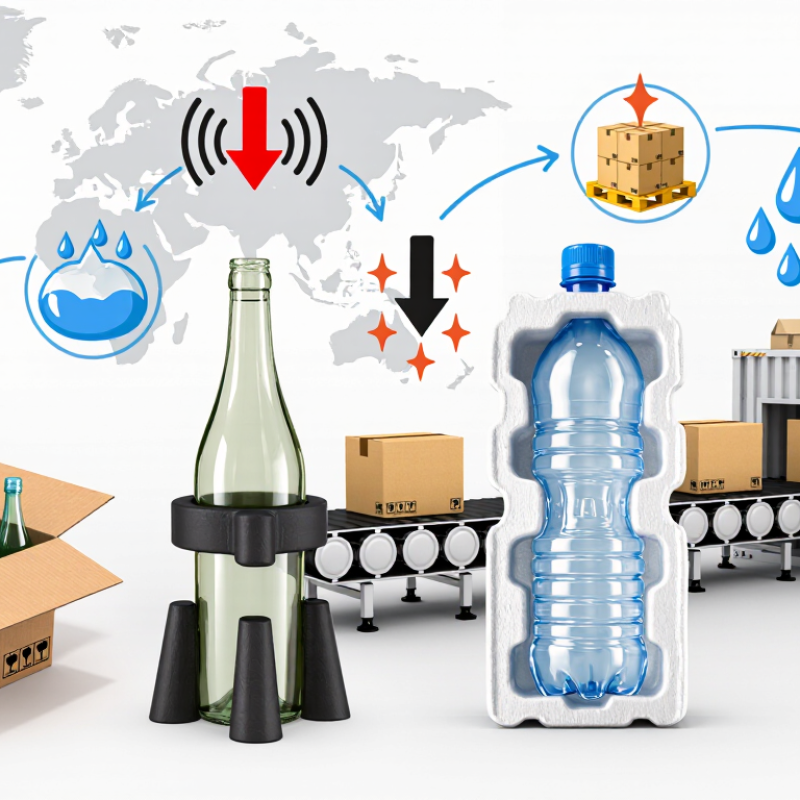
A bottle package must survive more than a single drop. Global parcel networks create repeated shocks, vibration, compression, and temperature changes. ISTA 3A helps translate these risks into a controlled test sequence for packaged products moving through parcel systems. The correct sequence depends on parcel type, size, weight, and handling conditions.

Begin with realistic route evidence. Record bottle material, closure design, fill level, outer carton strength, and protective inserts. Then select suitable atmospheric conditioning before testing. A cold, dry warehouse can make some plastics brittle. Humidity can weaken corrugated fiberboard. Small details matter.

The test may include rotational edge drops, random vibration, concentrated impacts, and other parcel-handling stresses. Inspect leakage, cap movement, glass fractures, label damage, and internal shifting after each stage. Test a production-representative sample, not an ideal prototype. That difference is often uncomfortable.

A package passing one sequence does not guarantee safe delivery everywhere. Air freight, mixed road transport, and manual handling may create different exposures. Route-specific testing can reveal weaknesses that a general laboratory setup misses. Use measured failures to adjust wall thickness, cushioning, closure torque, and carton dimensions. More material is not always better. Excess space can increase movement and impact energy. Review the design with qualified packaging engineers and an accredited test laboratory, while documenting every conditioning and inspection result.
Compare Glass, PET, HDPE and Aluminum by Weight, Breakage and Recyclability

How to Choose Bottle Packaging for Global Shipping in 2026?

Global shipping punishes weak packaging choices. Glass offers excellent barrier protection and a premium feel, but it is heavy and can shatter during drops. A broken bottle may damage nearby cartons, too. PET is much lighter and resists impact, making it practical for long-distance delivery. However, heat, pressure, and oxygen sensitivity can affect some products. HDPE handles rough transport well and remains lightweight, although its lower clarity may limit product visibility. Aluminum is light, strong, and highly recyclable, but dents and interior coatings need careful evaluation.

In packaging trials, I would compare filled bottles, not empty samples. Measure gross shipment weight, drop damage, pallet stability, and recovery rates.

Recyclability is not automatic. Local collection systems, bottle color, caps, labels, and material separation can change the result.

Glass and aluminum often have strong recycling value, while PET and HDPE depend heavily on regional infrastructure. A perfect choice rarely exists. I would rather accept slightly higher weight than repeated breakage.

Tips:

Test three packaging formats across hot, cold, and humid routes. Use protective dividers for glass. Check closure torque after vibration testing. For PET and HDPE, inspect deformation after stacking. Ask recyclers how each format is actually processed in destination markets. Small details matter. You may discover that the “greenest” bottle performs poorly when damage rates rise.

Size Closures and Cushioning to Pass ASTM D4169 Drop and Vibration Tests

Global bottle shipping starts with a testable package, not an attractive carton. A 250 ml bottle may need less cushioning than a 750 ml bottle, but weight changes impact energy. I measure filled bottles, closure torque, headspace, and pallet layout before selecting materials. Small details matter. A loose cap can turn a minor drop into leakage. For glass, neck protection and partition strength deserve close attention. For plastic, paneling and compression can change after temperature exposure.

ASTM D4169 testing should reflect the intended distribution cycle and assurance level. I use production-like samples, not empty bottles. The sequence may include conditioning, vibration, and repeated drops, depending on the selected schedule. Cushioning must limit peak shock while preventing bottle movement. Foam, molded fiber, and corrugated inserts behave differently under humidity. A design that passes in a dry laboratory can fail after ocean transit. That weakness is easy to miss. I record breakage, cap displacement, scuffing, and leakage after every event. Photographs help, but measurements are better.

Closure selection also needs a practical torque window. Too little torque risks leaks; too much can damage threads or hinder opening. I test filled packages at low and high temperatures, then repeat vibration and drop checks. Container spacing should prevent contact without wasting cubic volume. This balance affects freight efficiency and handling stability. My first designs are rarely perfect. Sometimes thicker cushioning only hides a poor fit. Revising the insert geometry often works better than adding material. Before release, I compare test results with real route risks, including transfers, stacking, and long vibration exposure.

Verify ISO 18601 Compliance and the EU PPWR’s 30% PET Target by 2030

Choosing bottle packaging for global shipping in 2026 requires more than comparing weight and price. ISO 18601:2013 provides a framework for optimizing packaging’s environmental performance across its life cycle. It does not replace transport testing. Record bottle mass, recycled content, closure compatibility, recovery options, and material efficiency. Then test compression, vibration, drop impact, and humidity exposure.

The EU Packaging and Packaging Waste Regulation, Regulation (EU) 2025/40, sets a 30% recycled-content target for contact-sensitive PET packaging by 2030. Confirm the requirement for your exact bottle category and destination market. Ask suppliers for batch-level evidence, including recycled-content calculations, declarations, and chain-of-custody records. A “recyclable” label alone proves very little. That assumption can fail.

The OECD Global Plastics Outlook reported 460 million tonnes of global plastic production in 2019, while only 9% of plastic waste was recycled. This data strengthens the case for designs that use less material and support established recycling systems. In practical audits, a thin PET bottle may save transport emissions but collapse under pallet compression. A heavier bottle may survive shipment yet create unnecessary material demand. Test both options with filled bottles, not empty samples. Check neck finish, cap torque, pallet height, and temperature changes during long routes. Small details matter.

Rank Options by Damage Rate, Total Cost and CO₂ Emissions per Bottle

How to Choose Bottle Packaging for Global Shipping in 2026?

Rank Options by Damage Rate, Total Cost and CO₂ Emissions per Bottle

Global bottle shipping needs more than a low purchase price. In packaging trials, I rank each option using three measured results: damage rate, total cost, and CO₂ emissions per bottle. The damage rate includes breakage, leakage, label damage, and rejected units. Test samples should face vibration, drops, compression, humidity, and temperature changes. A warehouse floor is less forgiving than a laboratory.

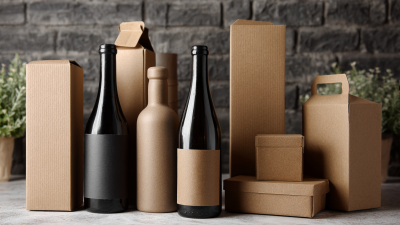
Rigid outer cases usually provide the lowest damage rate, but they add weight and storage costs. Corrugated partitions can reduce material use and freight volume. Their performance depends heavily on fit and moisture resistance. Molded fiber may lower packaging emissions, yet it can require thicker protection. Lightweight plastic containers often reduce breakage, but their production emissions and recycling limitations need careful review.

Count more than the packaging invoice. Total cost should include packing labor, freight, insurance, returns, disposal, and replacement product. For CO₂, calculate material production, conversion, transport weight, pallet space, and damaged bottles. Reuse can improve results, but reverse logistics may erase the benefit. My own early comparisons overvalued light packaging and underestimated warehouse handling. That mistake still deserves attention. Use real shipment data when possible. If data is incomplete, state the assumptions clearly and test them again.

wpChatIcon
wpChatIcon