2026 How to Choose Wpc Panel Design for Outdoor Spaces?
Choosing the right Wpc Panel Design Outdoor can significantly enhance your outdoor spaces. A well-thought-out design offers both functionality and aesthetics. WPC, or wood plastic composite, is a popular choice for outdoor applications due to its durability and low maintenance needs. With various styles and colors available, selecting the ideal panel can seem overwhelming.
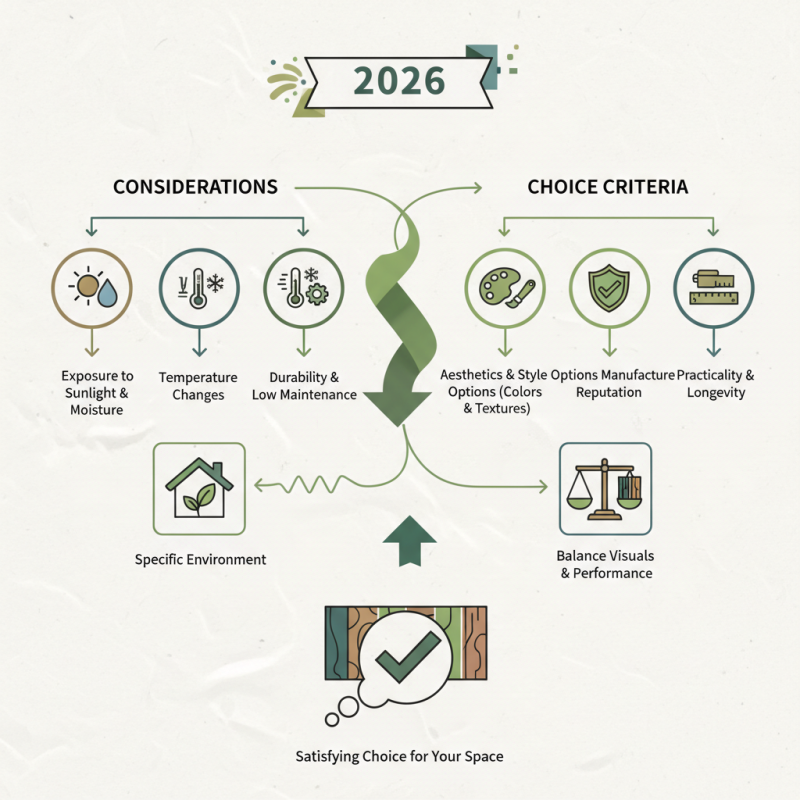
Consider the specific environment where the panels will be installed. Exposure to sunlight, moisture, and temperature changes can influence the lifespan of the material. Look for options that not only fit your design vision but also withstand seasonal variations. It’s essential to balance visual appeal with the panel’s practicality.
Quality is paramount. Select panels from reputable manufacturers to ensure reliability over time. While many options may catch your eye, it’s crucial to prioritize longevity and performance. Remember, the perfect Wpc Panel Design Outdoor is one that meets both your design aspirations and environmental requirements. Reflecting on your space's needs will lead to a more satisfying choice.
Understanding WPC Panels: Features and Benefits for Outdoor Design
WPC panels, or Wood-Plastic Composites, are gaining popularity for outdoor spaces. They combine the natural look of wood with the durability of plastic. According to a 2023 market report, WPC products hold a 35% share of the decking materials market. This growth reflects their rising acceptance among homeowners and designers.
One key feature of WPC panels is their resistance to moisture and pests. Unlike traditional wood, they do not warp or splinter easily. This makes them ideal for decks, fences, and outdoor furniture. A study indicated that 80% of users preferred WPC for their outdoor projects due to its longevity and low maintenance. However, some users reported fading colors over time. This can be a point of consideration when selecting designs and finishes.
Another advantage of WPC panels is their eco-friendliness. Made from recycled materials, they minimize waste in landfills. A report from the Eco-Friendly Building Association highlighted that using WPC can reduce carbon footprints by 30%. Yet, not all WPC products are created equal. Quality varies significantly in the market, making it crucial to research before purchasing. It’s essential to weigh these factors when choosing the right design for your outdoor space.
Types of WPC Panels: Choosing the Right Style for Your Space
WPC panels, or Wood Plastic Composites, offer versatility and durability for outdoor spaces. Choosing the right design requires careful consideration of various types available. The most common styles include traditional, modern, and decorative panels, each serving different aesthetic and functional needs. According to recent industry reports, the demand for WPC panels is projected to grow by over 8% annually, driven by their eco-friendliness and low maintenance.
Traditional WPC panels often mimic natural wood, appealing to those seeking a classic look. They blend seamlessly with gardens and rustic settings. Modern designs boast sleek lines and minimalist aesthetics, perfect for contemporary homes. For those who value creativity, decorative panels feature unique patterns and textures, enabling personalized outdoor environments. The key is to match the panel style with the surrounding architecture and landscape.
However, not all WPC panels are created equal. Variability in quality can lead to issues like fading or warping. Research shows that consumers take an average of six months to decide on the right material for their projects. This reflects the importance of thorough research. Potential buyers should consider UV resistance and water absorption rates. A well-informed choice ultimately enhances the outdoor experience while ensuring longevity.
2026 How to Choose Wpc Panel Design for Outdoor Spaces?
| Type of WPC Panel | Characteristics | Best Suitable For | Color Options | Typical Thickness |
| Solid WPC Panels | High durability, resistant to decay | Decking and fencing | Brown, Gray, Beige | 12mm, 20mm |
| Hollow WPC Panels | Lightweight, cost-effective | Wall cladding and decorative features | White, Black, Green | 10mm, 15mm |
| Textured WPC Panels | Realistic wood finish, UV resistant | Patios and outdoor furniture | Mahogany, Teak, Cedar | 12mm, 18mm |
| Composite WPC Panels | Made of wood fibers and plastic, eco-friendly | Green building projects | Natural wood colors | 10mm, 16mm |
Durability and Maintenance: Key Factors in Selecting WPC Panels
When it comes to selecting WPC panels for outdoor spaces, durability and maintenance are crucial. A recent report from the Wood Plastic Composite Alliance indicates that WPC panels can last up to 25 years with proper care. This longevity surpasses traditional wood materials, which may warp or decay over time. The resistance to moisture and insects also makes WPC a favorable choice for outdoor environments.
Maintenance plays a significant role in the longevity of these panels. While WPC materials require less maintenance than wood, occasional cleaning is essential. According to a survey by the National Association of Home Builders, 60% of homeowners prefer low-maintenance materials. This preference highlights the growing trend towards sustainable yet practical outdoor solutions. Regularly inspecting and cleaning WPC surfaces can prevent staining and enhance their appearance over time.
However, despite their advantages, not all WPC panels are created equal. Improper installation can lead to problems, such as warping and fading. Moreover, some panels may not stand up to harsh weather conditions as effectively as others. Homeowners should explore various options, weighing the pros and cons carefully. Understanding the specific qualities of different WPC products is vital for making an informed choice for outdoor spaces.
Color and Texture Considerations for Aesthetic Appeal in Outdoor Areas
When designing outdoor spaces with WPC panels, color and texture are paramount. A 2022 industry report revealed that 75% of homeowners prioritize aesthetics in landscaping projects. The right colors can harmonize with nature. For example, earthy tones often blend seamlessly with gardens.
Textures also play a crucial role. Smooth surfaces can enhance a modern look, while wood-like textures add warmth and familiarity. According to a recent survey, 68% of landscape architects prefer textured finishes for their unique appeal. This preference reflects a desire for authenticity in artificial materials, allowing outdoor spaces to feel more inviting.
Tip: Experiment with combinations of colors and textures. Try soft pastel tones against a textured backdrop. This pairing creates an inviting space. Additionally, remember that the choice of color can impact mood. Bright hues energize, while muted tones provide calmness.
It's important to note that what works in one space may not in another. Local climate, surrounding vegetation, and intended use should influence design choices. Therefore, it’s wise to spend time researching and visualizing your outdoor project before finalizing decisions. Checking local trends may also spark inspiration.
Installation Tips: Best Practices for Setting Up WPC Panels Outdoors
When installing WPC panels outdoors, proper preparation is essential. Start by ensuring the area is level. Uneven surfaces can lead to issues down the line. Also, consider drainage. Water pooling can warp the panels. A slight slope might help with drainage.
Secure the panels tightly but avoid over-tightening screws. This prevents cracking. Allow for some movement since WPC can expand and contract. Gauge the climate in your area. Extreme temperatures might affect your installation choices.
Always use high-quality fasteners. They can impact longevity. Inspect your work frequently during installation. Minor mistakes can lead to larger problems later. It's vital to leave expansion gaps between panels. These small details make a big difference. Pay attention to them for a successful setup.
Outdoor Spaces WPC Panel Design Preferences