Why Choose UVLED Flatbed Printing for Your Business Needs?
As businesses increasingly seek efficient printing solutions, the adoption of UVLED Flatbed Printing is critical. According to a recent market report by Smithers Pira, the UV printing market has witnessed a substantial growth rate of 15% annually. This rise indicates a shift towards innovative printing technologies.
Daniel Reid, a leading expert in the printing industry, emphasizes, "UVLED Flatbed Printing is not just about speed and efficiency; it's also about environmental responsibility." This highlights a vital aspect of UVLED technology—it uses less energy and produces fewer harmful emissions than traditional printing methods. Businesses can thus align with sustainability goals while benefiting from high-quality prints.
However, challenges remain. Initial investments for UVLED Flatbed Printing can be significant, deterring some firms. Additionally, the technology demands a skilled workforce for optimal operation. Companies must reflect on these factors as they venture into UVLED Flatbed Printing, weighing both opportunities and potential hurdles.
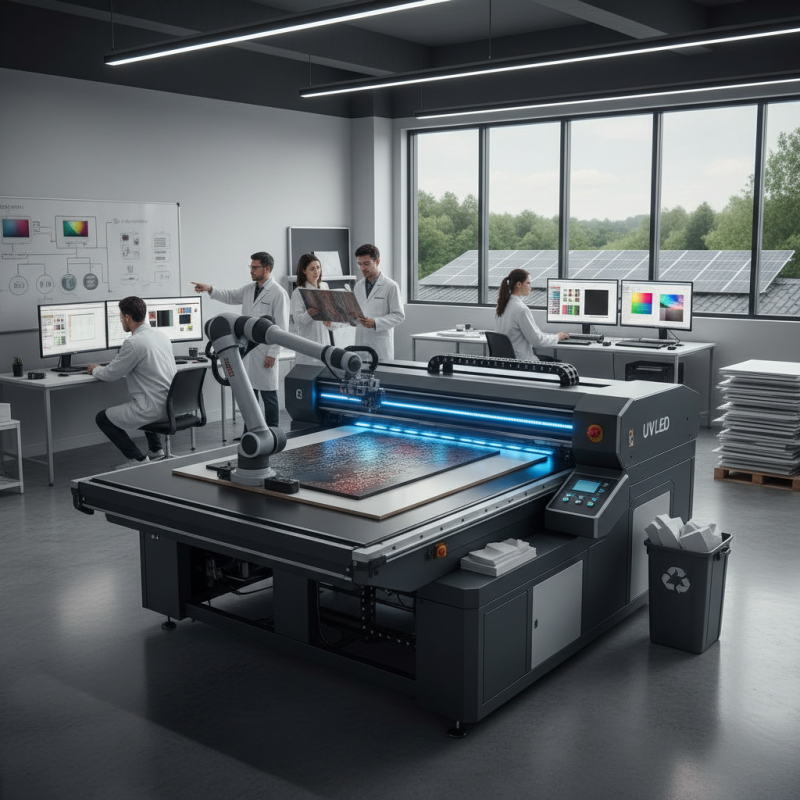
Benefits of UVLED Flatbed Printing for Diverse Industries
UVLED flatbed printing offers numerous advantages for various industries. This technology provides vibrant colors and sharp details, making it ideal for signage and promotional materials. It works well on different surfaces including wood, glass, and metal. The ability to print directly onto materials saves time and reduces waste. However, it does require proper calibration for optimal results.
Another benefit is the quick drying time. UVLED inks cure instantly, allowing for faster production cycles. This can be a game changer in industries where time is critical. Yet, the initial investment for UVLED printers can be substantial. Businesses must weigh the long-term savings against upfront costs.
Sustainability is also a key factor. UV inks contain fewer volatile organic compounds (VOCs), which is better for the environment. Some companies have successfully reduced their carbon footprint by switching to UVLED technology. It's important to recognize that adapting to this new method may require training for staff. Each industry faces unique challenges, but the benefits can be significant if navigated thoughtfully.
Comparison of UVLED Flatbed Printing vs. Traditional Printing Methods
When comparing UVLED flatbed printing to traditional printing methods, distinct advantages emerge. UVLED prints directly onto various surfaces. This means you can print on wood, glass, or metal effortlessly. In contrast, traditional printing often requires specific materials and extensive preparation. The versatility of flatbed printing provides an edge for businesses seeking unique branding solutions.
Another significant factor is the drying time. UVLED technology cures ink instantly using UV light. It speeds up the production process markedly. Traditional methods can take longer to dry, risking smudges or misprints. This efficiency allows for quicker turnaround times and can boost overall productivity. However, not all businesses may be ready for such a shift.
Yet, there are challenges with UVLED printing. The initial investment cost may seem high. Some may prefer the familiarity of traditional methods. Quality may vary, and adjustments are sometimes needed for specific projects. Businesses have to ensure they’re prepared for this transition. Choosing the right path requires careful thought and consideration of long-term goals.
Key Features and Technology Behind UVLED Flatbed Printers
UVLED flatbed printing is transforming the printing landscape. It leverages advanced technology to deliver high-quality prints on various surfaces. Its key features include instant curing, which enhances productivity. UVLED printers can produce vibrant colors and intricate designs with precision. According to a recent industry report, the UV printing market is anticipated to grow by over 10% annually. This reflects a rising demand for more versatile and efficient printing solutions.
The flexibility of UVLED flatbed printers is another compelling aspect. They can handle materials like wood, glass, metal, and plastic. This adaptability allows businesses to diversify their product offerings. However, this technology isn't without challenges. Initial setup costs can be high. Deciding on the right materials and inks requires careful consideration.
Tip: Always test a small batch before committing to larger prints. It saves time and resources. Moreover, investing in staff training on these machines can significantly enhance operational efficiency. Remember, continuous learning is vital for keeping up with technology advances.
Cost-Effectiveness of UVLED Flatbed Printing Solutions
UVLED flatbed printing is revolutionizing how businesses approach their printing needs. This technology is not just about quality; it also brings significant cost savings. For example, the energy efficiency of UVLED machines reduces overall operational costs. They use less power compared to traditional printing methods. This is a win for both the environment and your budget.
Another advantage is the ability to print on diverse materials. Whether it's wood, glass, or metal, UVLED can handle it all. With this versatility, businesses can expand their service offerings without investing in multiple printers. However, it’s important to consider the initial investment. While upfront costs can be high, the long-term savings can outweigh these concerns. Regular maintenance is necessary, and this can add to expenses. Companies should evaluate their specific needs before making a decision.
Durability is another factor that enhances cost-effectiveness. UVLED inks are resistant to fading and damage, which means less frequent reprints. This reliability can improve customer satisfaction. However, if you're looking for a budget-friendly option, consider your volume needs. Not all projects require such high standards. Balancing quality and expense will lead to better choices for your business.
Environmental Impact and Sustainability of UVLED Technology
UVLED flatbed printing is gaining traction in the printing industry, particularly due to its promising environmental impact and sustainability. This technology uses ultraviolet light to cure ink, resulting in less volatile organic compound (VOC) emissions compared to traditional printing methods. According to industry reports, UVLED technology reduces VOC emissions by up to 75%. This significant decrease contributes to improved air quality in production environments.
One important aspect of UVLED printing is its energy efficiency. It can operate at lower energy thresholds. Statistics show that it consumes up to 50% less energy than other printing techniques. This power efficiency not only reflects a cost-saving opportunity for businesses but also promotes lower carbon footprints. Furthermore, UVLED systems typically have longer lifespans, reducing waste over time.
Tip: When considering UVLED for your operations, assess your current energy usage. Transitioning to UVLED could yield both environmental benefits and economic savings.
Despite these advantages, there are points for businesses to reflect on. The initial investment in UVLED technology can be high. Small businesses especially might find the cost a barrier. Also, while UVLED is more sustainable, careful management of the materials used is essential. Not all inks and substrates are created equal.
Tip: Research eco-friendly ink options that work with your UVLED system to maximize both performance and sustainability.