How to Choose the Right ABA Blown Film Machine for Your Needs?
Choosing the right aba blown film machine can be a daunting task. With numerous options on the market, it’s essential to find a machine that meets your unique needs. Experts like John Smith, a leading authority in the film extrusion industry, emphasize this point: "Selecting the right ABA blown film machine is crucial for optimizing production efficiency and quality."
Investing in an aba blown film machine is not just about cost. You must consider specific factors, such as production capacity, material compatibility, and energy efficiency. A machine that fits one company’s requirements may not suit another's. This personalization adds challenges, as it often requires trial and error.
Additionally, you should reflect on your long-term goals. A machine with advanced features might seem appealing, but it may also complicate operations. Understand your business needs before making a decision. Ultimately, the right ABA blown film machine can enhance your productivity but getting there may take time and consideration.
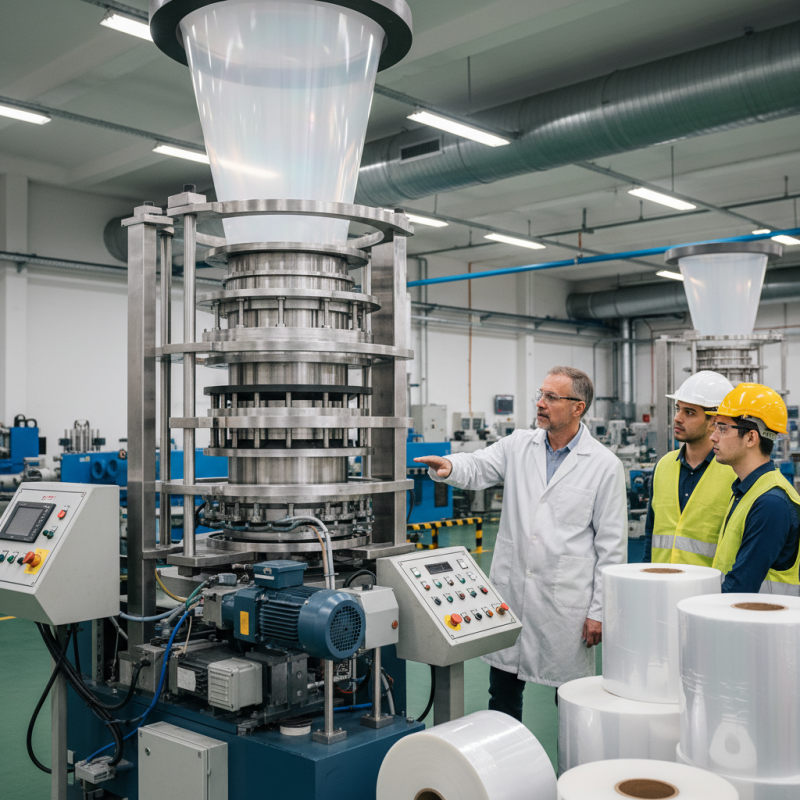
Understanding the Basics of ABA Blown Film Technology
ABA blown film technology is a versatile method used in plastic film manufacturing. It involves three layers: A, B, and A again. This structure provides unique benefits. The outer layers (A) deliver excellent barrier properties. The middle layer (B) offers strength and flexibility. Together, they create a film that resists punctures and tears.
Choosing the right ABA blown film machine requires understanding these basics. Factors like film thickness and width are essential. You might need a machine that can handle different materials. Performance characteristics matter too. Speed, output, and efficiency play crucial roles in production. A machine that fails to meet your specific needs could lead to dissatisfaction and waste.
You should also consider energy consumption. Higher efficiency can reduce operating costs. However, a machine with high performance often comes with a price. Researching various options can be overwhelming, and sometimes misleading. Look for user reviews and case studies. Real-world experiences can illuminate aspects that seem perfect on paper.
ABA Blown Film Machine Performance Comparison
This bar chart compares the performance of three different ABA blown film machines across various metrics, including layer thickness, production speed, maximum film width, and energy consumption. This data can help you make an informed decision when choosing the right machine for your needs.
Key Factors to Consider When Selecting an ABA Blown Film Machine
When selecting an ABA blown film machine, several key factors play a critical role. The desired film properties should be the top priority. Different applications require distinct thickness, strength, and clarity. Understanding these needs helps narrow down choices significantly. Assessing the machine's output capacity is equally important. A machine that fits your production scale is essential to avoid bottlenecks.
Another factor to consider is the level of automation. Fully automated systems can enhance efficiency but might demand higher initial investment. Semi-automated machines could also work well for smaller operations. Think about your workforce capabilities too. An easier-to-operate machine may save training costs and reduce human error.
Lastly, examining the energy consumption is crucial. An energy-efficient machine can lower operational costs over time. Remember that maintenance support is another aspect not to overlook. A machine might seem appealing, but poor service can lead to costly downtimes. Contemplate these details carefully to ensure you find the best fit for your manufacturing needs.
Evaluating Your Production Needs and Volume Requirements
When choosing an ABA blown film machine, understanding your production needs is crucial. Consider the volume and types of films you plan to produce. According to industry reports, production speeds can range from 50 to 500 kg/hour, depending on the machine’s capabilities. To maximize efficiency, evaluate your average daily output and adjust your equipment requirements accordingly.
Tips: Assess common film types used in your operations. Industries such as packaging often require multilayer films for enhanced barrier properties.
Additionally, consider the thickness of the films. Film thickness can vary from 10 to 200 microns. Different materials require varying processing conditions, impacting machine specifications. Don't overlook your facility's space. Machines can be large and require adequate room for proper operation and maintenance. Many manufacturers report installation challenges due to overlooked space constraints.
Tips: Measure your available floor space before making a choice. Factor in airflow and utility access as well. Misjudgments here can lead to increased costs down the road. Reflect on these elements thoroughly to make an informed decision.
How to Choose the Right ABA Blown Film Machine for Your Needs?
| Production Volume | Film Width | Layer Configuration | Output Capacity | Material Type |
| 150 kg/h | 2000 mm | 3-Layer | 300 kg/h | LDPE, LLDPE |
| 100 kg/h | 1500 mm | 2-Layer | 200 kg/h | HDPE |
| 300 kg/h | 2500 mm | 5-Layer | 600 kg/h | Melt Blown, PLA |
| 200 kg/h | 1800 mm | 3-Layer | 400 kg/h | BOPP |
Assessing Machine Features and Specifications for Optimal Performance
Choosing the right ABA blown film machine involves a close look at various technical specifications. The resin type is crucial. According to industry reports, LDPE and LLDPE are commonly used for thin films, while HDPE is suitable for thicker applications. Understanding your material needs is essential.
Film thickness and width are also critical factors. Many machines offer widths ranging from 1 to 3 meters. For high output, consider machines that can produce films with thicknesses between 20 to 200 microns. Moreover, production speed varies widely. Some machines operate at speeds of 50 to 150 meters per minute, influencing overall efficiency.
Another consideration should be the control systems and automation. Advanced machines often feature touch screens and remote monitoring. However, over-reliance on automation can sometimes lead to unexpected downtimes. Balancing technology with manual oversight remains a debated topic among industry experts.
Take your time to evaluate how these elements align with your production goals. Mistakes often arise from overlooking these critical features.
Comparing Costs and Return on Investment for Different Machines
When selecting an ABA blown film machine, cost comparisons are crucial. You’ll notice significant price differences among models. It's essential to consider upfront costs versus long-term expenses. Cheaper machines often lack durability and efficiency. They may lead to higher operational costs over time, which can impact your budget.
Return on investment (ROI) should also be factored in. A high-quality machine might be more expensive initially. However, it could save money through reduced waste and energy usage. This is particularly important for businesses looking to grow. An efficient machine can produce better quality films, appealing to customers and enhancing sales.
Balancing cost and functionality is tricky. You may find a machine that meets all your needs but at a daunting price. It's wise to evaluate not just the purchase price but the overall lifecycle costs. Sometimes, low-cost options leave you with regrets. Think through your decision carefully; it could make or break your production line.