Why Choose an Electric Parking Brake Motor for Your Vehicle?
As the automotive industry evolves, safety and convenience become top priorities. One significant innovation is the Electric Parking Brake Motor. This modern component has transformed how drivers engage and disengage their vehicle's parking brake. Traditional systems often rely on mechanical components, which can wear out over time. In contrast, the Electric Parking Brake Motor offers a more reliable solution.
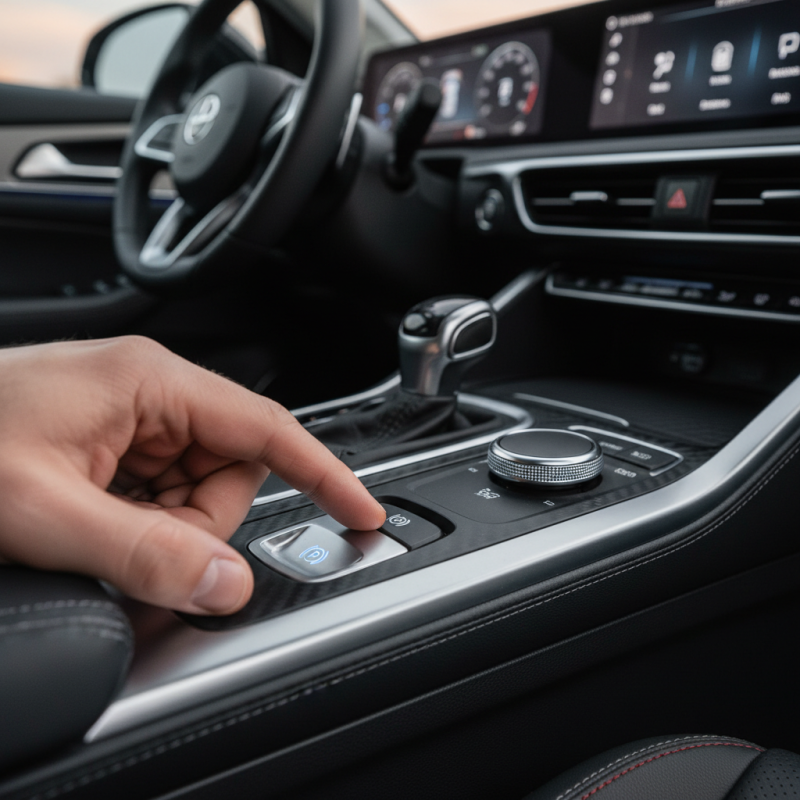
With this technology, parking brakes can be applied with just the push of a button. This adds ease to daily operations. Many drivers appreciate the smooth engagement compared to older systems. Moreover, the Electric Parking Brake Motor requires less physical effort, making it user-friendly for all ages.
However, reliance on technology presents potential challenges. While these motors are designed for durability, they can fail. It's essential for vehicle owners to understand maintenance needs. Regular check-ups can prevent unexpected issues. Overall, an Electric Parking Brake Motor is a valuable advancement, combining innovation with practicality in today’s vehicles.
Benefits of Electric Parking Brake Motors in Modern Vehicles
Electric parking brake motors have gained popularity in modern vehicles. They provide a smooth, efficient way to engage and disengage the brakes. One key benefit is the reduction in manual effort required from the driver. This makes it easier for all drivers, especially those with mobility challenges.
Another major advantage is the integration with advanced vehicle systems. Electric parking brakes can communicate with anti-lock braking systems (ABS) and traction control. This feature enhances overall vehicle safety, as it can automatically adjust engagement when needed. However, it is essential to regularly check the system for faults, as issues may lead to unexpected behavior.
Tips: Always ensure your parking brake is engaged when parked. Regularly inspect your vehicle’s electrical system, as faults can occur. If you notice any irregularities, consult a professional to avoid safety risks. This practice helps maintain reliability over time.
Comparison of Electric vs. Traditional Hydraulic Brake Systems
Electric parking brake motors are becoming popular in modern vehicles. They offer a range of advantages over traditional hydraulic brake systems. The electric system is generally lighter and takes up less space, freeing up room for other components. This can improve overall vehicle efficiency. The removal of hydraulic fluids also minimizes the risk of leaks, making electric systems more environmentally friendly.
However, there are some drawbacks. Electric parking brake motors rely on electrical power. If the battery fails, the brakes may not function properly. Additionally, while electric systems offer precision, repair can be more complex and costly compared to mechanical counterparts. Users may find that traditional hydraulic systems are more straightforward to troubleshoot and maintain.
Despite these challenges, the shift towards electric systems is evident. The ease of operation offered by a push-button mechanism appeals to many drivers. The advanced technology in electric parking brakes allows for features like automatic engagement on hills. These innovations can enhance driving safety and convenience, although they do require adjustment and understanding from users unfamiliar with the technology. It is essential to weigh these factors when deciding on the best braking system for a vehicle.
Comparison of Electric vs. Traditional Hydraulic Brake Systems
This chart illustrates the comparison between Electric Parking Brake Motors and Traditional Hydraulic Brake Systems across various parameters such as Efficiency, Maintenance Cost, Response Time, and Weight. The electric system shows advantages in efficiency and lower maintenance cost, while the hydraulic system is heavier and has a slower response time.
Impact of Electric Parking Brake Motors on Vehicle Safety Features
Electric parking brake motors (EPB) are becoming essential in modern vehicles, especially regarding safety features. These motors bring advanced safety and convenience through automatic engagement and disengagement of the parking brake. Research shows that EPB systems can enhance vehicle safety by reducing the risk of unintended rollaway accidents. Statistics indicate that around 1 in 3 vehicle incidents stem from improper use of traditional parking brakes.
One advantage of EPB is its ability to work seamlessly with other safety systems. For example, when a car is in a slope, the EPB can engage automatically, preventing it from rolling backward. Another benefit is that it minimizes physical strain on drivers, especially in hilly terrains. A study by the National Highway Traffic Safety Administration (NHTSA) highlighted that incorporating electric parking brakes can decrease driver fatigue during routine operations.
Tip: Always monitor the condition of your electric parking brake. Any unusual sounds can indicate potential issues. It is crucial to consult a professional if you notice anything amiss. Proper maintenance ensures that your safety systems function correctly.
Transitioning to EPB may also present challenges. Some drivers may find the transition from mechanical to electronic systems difficult. Familiarity with new technology takes time, and there can be a learning curve. However, the long-term safety benefits outweigh initial discomfort. Engaging with training resources can ease this transition.
Market Trends: Growth of Electric Parking Brake Technology in Automotive
The automotive industry is witnessing a notable shift toward electric parking brake technology. This growth is driven by increasing safety regulations and consumer demand for enhanced vehicle features. Electric parking brake systems offer improved performance and reliability compared to traditional mechanical systems. They provide precise control over braking, making them appealing for modern vehicles.
Data indicates that the global market for electric parking brakes is expanding rapidly. Manufacturers are investing in research and development to enhance these systems. The increasing focus on electric vehicles also plays a significant role in this trend. Electric parking brakes align well with the push for more efficient and sustainable transportation solutions. However, there are challenges. Integration with existing vehicle systems may not always be seamless. Some users report issues with system response times.
The shift towards electric parking brakes also reflects changing consumer preferences. Many drivers prioritize ease of use and advanced technology. Electric systems eliminate the need for manual engagement and disengagement, offering convenience. Still, manufacturers must address reliability concerns to gain customer trust. The evolution of this technology indicates a promising future for the automotive sector.
Cost Efficiency and Maintenance of Electric Parking Brake Motors
Electric parking brake motors are becoming popular in modern vehicles. Their cost efficiency is an essential factor for many drivers. Unlike traditional mechanical systems, electric motors require less maintenance and often have fewer parts that can wear out over time. This can lead to significant savings on maintenance costs.
In addition, electric parking brakes offer convenience. They engage and disengage with a simple push of a button. This simplicity means fewer chances for user error. However, reliance on electronic systems also raises concerns. If the motor fails, the repair can be costly, and the downtime can be frustrating. Drivers should consider the balance between convenience and potential repair costs.
Moreover, the installation of these systems can be tricky. Not every vehicle is compatible, which may require modifications. Some owners might find this daunting and could second-guess their decision. Understanding the long-term implications of choosing electric parking brakes can help ensure that the benefits outweigh the potential challenges.