Why Choose Double Layer Anti-counterfeiting Labels for Your Brand?
In today's competitive marketplace, protecting your brand is essential. One effective solution is the Double layer Anti-counterfeiting Label. These labels offer a unique design that combines functionality with security. They create an effective barrier against counterfeiting, safeguarding your products.
Double Layer Anti-counterfeiting Labels provide visual cues that consumers can recognize. This added layer enhances the authenticity perception of your brand. Many companies struggle to find the right balance between aesthetics and protection. A well-designed label can express brand identity while keeping products secure.
Choosing the right labeling solution is a critical decision. While Double Layer Anti-counterfeiting Labels are effective, they require careful planning and implementation. Brands must evaluate their specific needs and budget. This decision can lead to better protection and increased consumer trust. In a world filled with counterfeit goods, brands must reflect on the best strategies for standing out.
Understanding Anti-counterfeiting Labels and Their Importance
Anti-counterfeiting labels are essential in today's market. These labels protect brands and consumers from counterfeit goods. According to a recent report by the International Chamber of Commerce, counterfeiting costs the global economy nearly $1.8 trillion annually. This figure reflects the immense scale of the issue, making anti-counterfeiting measures a top priority.
Double layer anti-counterfeiting labels provide a stronger defense. They often use advanced technology, such as holograms or QR codes. These features help authenticate products and add layers of security. Unfortunately, many brands still underestimate their importance. In fact, 58% of small businesses do not use any anti-counterfeiting measures. This gap leaves them vulnerable to fraud and potential losses.
The importance of these labels extends beyond just brand protection. They instill consumer trust. When customers see a robust anti-counterfeiting label, they feel safer. They are more likely to purchase products. However, failure to invest in these solutions leads to reputational risks. Brands that ignore this issue may find themselves facing significant challenges in the competitive marketplace.
What are Double Layer Anti-counterfeiting Labels?
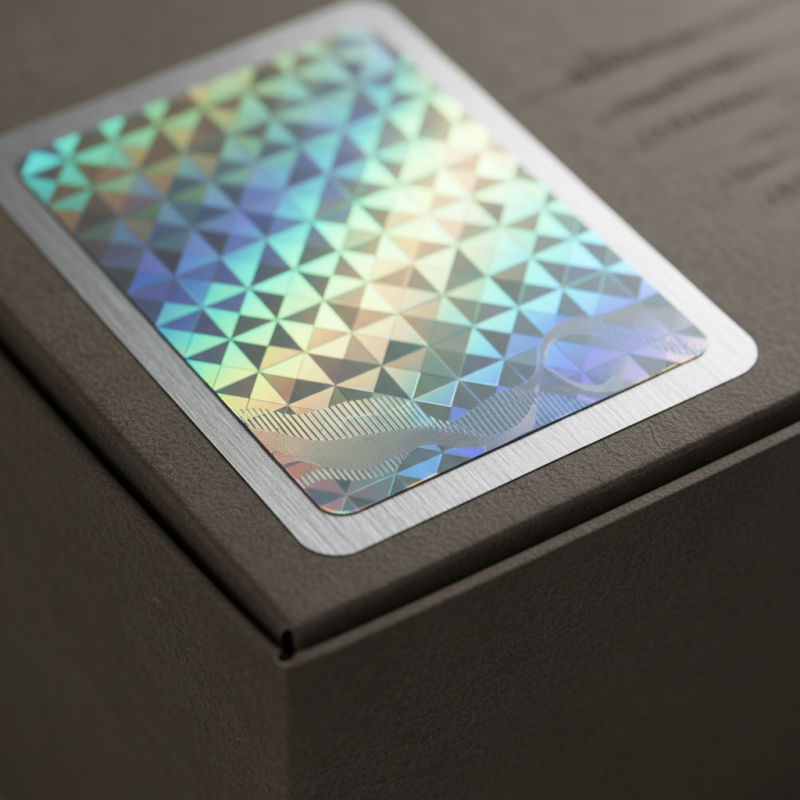
Double layer anti-counterfeiting labels are innovative solutions to protect brands. These labels have two layers, each serving a different purpose. The outer layer often features unique designs or holographic elements. The inner layer contains information that is difficult to replicate. This combination makes counterfeiting much harder.
When choosing these labels, consider the materials used. Some materials are more durable than others. Make sure they are resistant to wear and tear. High-quality adhesives can prevent peeling or fading over time. A reliable label can boost consumer trust.
Tips: Always analyze your target market. Understand what they value in product authenticity. Opt for features that resonate with them. A good design can attract attention and enhance brand recognition. Remember, even the best labels can degrade. Regularly check and update your packaging.
Benefits of Using Double Layer Anti-counterfeiting Labels for Brands
Double layer anti-counterfeiting labels have become essential for brands looking to protect their products. In 2021, research indicated that the global anti-counterfeiting packaging market was valued at around $30 billion. This figure is only expected to rise in the coming years. Brands face increasing pressure from counterfeiters that negatively impact revenue and brand reputation. Double layer labels offer robust protection.
These labels feature two unique layers, enhancing verification by the consumer. The top layer might utilize a hologram, while the bottom layer displays a QR code. This combination allows customers to authenticate products with ease. By employing such technology, brands can build trust with consumers. Trust leads to customer loyalty, essential for long-term success.
Tip: Incorporate eye-catching designs into your labels. A visually appealing label can enhance the consumer experience.
Another critical benefit is the dual-layer's resistance to tampering. Brands have reported a 20% decrease in counterfeiting claims after implementing these labels. This statistic highlights the effectiveness of double layer anti-counterfeiting measures. Yet, some brands underestimate the importance of regular label design updates. Failing to refresh your labels may lead to outdated perceptions.
Tip: Conduct periodic reviews of your anti-counterfeiting strategies. Make adjustments based on the latest industry trends.
How Double Layer Labels Enhance Brand Protection and Trust
Double layer anti-counterfeiting labels are becoming essential for brands today. They offer a unique solution to combat counterfeiting. Recent studies show that counterfeit goods result in global losses exceeding $400 billion annually. This alarming figure highlights the need for robust security measures. Double layer labels use advanced technology, integrating visual and digital elements, making duplication nearly impossible.
Tips: Ensure your labels are customized for your brand. Unique designs can deter counterfeiters. Use color shifts and hidden text for authenticity. Consumers trust brands that visibly protect their products. In fact, 68% of consumers prefer brands that employ secure labeling.
While double layer labels enhance trust, not all implementations succeed. Some brands overlook essential details, like choosing ineffective materials. Ensure your labels withstand various conditions, including moisture and rough handling. Moreover, not all consumers recognize high-tech labels. Education is necessary. Informing customers about security features fosters loyalty and trust. Brands must strive for clarity and reliability in their labeling strategies.
Why Choose Double Layer Anti-counterfeiting Labels for Your Brand?
This chart illustrates the effectiveness of double layer anti-counterfeiting labels compared to traditional labels in terms of brand protection and consumer trust. The data shows the percentage of brands reporting improved security and customer confidence after implementing double layer labels.
Implementing Double Layer Anti-counterfeiting Labels in Your Business
Implementing double layer anti-counterfeiting labels in your business can significantly enhance your brand’s security. These labels feature distinct layers that can be peeled back, revealing unique codes or designs. This method not only elevates brand integrity but also provides customers with a tangible way to verify authenticity. Each layer can incorporate different technologies, like holograms or QR codes, adding complexity for counterfeiters.
However, integrating these labels comes with challenges. Businesses must invest in high-quality printing and secure application processes. Training employees to handle these labels correctly is crucial. Inconsistencies in application may lead to damaged labels, affecting customer trust. Moreover, some customers may overlook the labels, leading to questions about their effectiveness.
Consider conducting tests to evaluate how well customers engage with these labels. Collect feedback on their experiences. This insight can guide improvements and help refine your approach. Balancing security and usability is vital. The ultimate goal is to protect your brand while ensuring customers feel confident in their purchases. Understanding these dynamics is key to effectively implementing double layer anti-counterfeiting labels.
Why Choose Double Layer Anti-counterfeiting Labels for Your Brand?
| Feature | Description | Benefits | Implementation Steps |
| Security Features | Incorporate advanced holograms and QR codes. | Enhances protection against duplication. | Design labels with unique identifiers. |
| Visibility | Dual-layer design makes the labels difficult to replicate. | Increases consumer trust and brand loyalty. | Choose a reputable supplier for materials. |
| Customization | Labels can be tailored to fit brand requirements. | Improves brand recognition. | Collaborate with a design team to create a unique label. |
| Cost | Initial investment may be higher than standard labels. | Long-term savings from reduced counterfeit losses. | Analyze ROI based on projected savings. |
| Regulatory Compliance | Ensures products meet legal anti-counterfeiting standards. | Avoids legal issues related to counterfeit products. | Stay informed about relevant laws in your industry. |