How to Choose the Best Plastic Jar with Lid for Storage?
Choosing the right Plastic Jar with Lid for storage can significantly impact organization and preservation. John Smith, a leading expert in packaging solutions, once said, “The quality of your storage vessel defines the integrity of its contents.” This highlights the importance of considering various factors when selecting a Plastic Jar with Lid.
When looking for the ideal jar, size, material, and sealing capability play crucial roles. A jar that is too small may require frequent refills. Meanwhile, a jar made from thin plastic may not withstand daily use. While many overlook UV protection, it's vital for items sensitive to light.
Reflecting on our choices is essential. Many people choose based on aesthetics alone, ignoring practicality. In the end, a durable and functional Plastic Jar with Lid could be the difference between preserved ingredients and spoiled goods. Remember, the right choice can enhance your storage experience significantly.
Factors to Consider When Choosing Plastic Jars for Storage
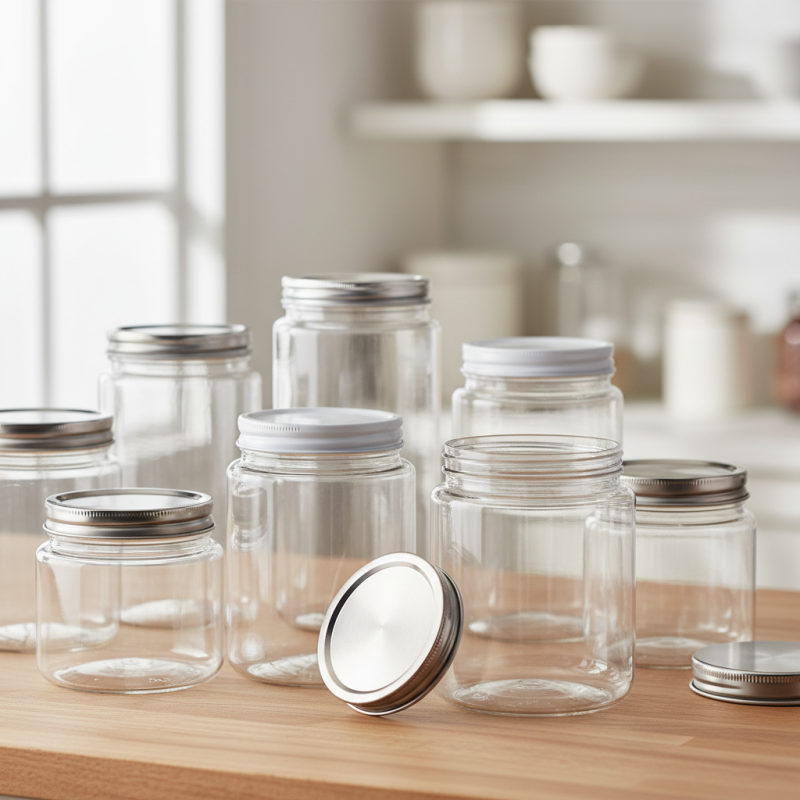
When selecting plastic jars with lids for storage, several factors come into play. Size is crucial. Consider what you plan to store. A larger jar might suit bulk items, while smaller jars are perfect for spices or accessories. The lid type matters too. A tight seal can keep contents fresh longer, while a loose lid may lead to spills or contamination.
Material quality is another significant factor. Look for durable plastics that resist breaking and warping over time. Transparency can be a benefit, allowing you to see contents easily. However, opaque jars can protect sensitive items from light exposure. Consider your aesthetic as well. A mismatch in style can lead to cluttered visuals in your space.
Think about ergonomics. Ensure the jar shape allows for easy handling and pouring. Sometimes, designs can be misleading, looking more functional than they actually are. It’s also worth noting that not all jars are dishwasher safe, which could complicate cleaning. Testing the jars before committing is a wise move, but not always feasible. Sometimes, you have to learn from trial and error.
Types of Plastic Materials Used in Storage Jars
When choosing a plastic jar for storage, the type of plastic material is crucial. Common materials include polyethylene (PE), polypropylene (PP), and polycarbonate (PC). PE is popular for its flexibility and durability. It can withstand impact while remaining lightweight. However, it may not be suitable for high-temperature environments.
Polypropylene has a higher heat tolerance. It’s often used for food storage, thanks to its resistance to moisture and chemicals. That being said, it can be brittle if not properly designed. Polycarbonate is another option, known for its clarity and strength. However, some may be concerned about potential health risks associated with certain additives in polycarbonate.
When selecting a jar, consider how you plan to use it. Specific materials work better for particular storage needs. Some plastics can leach chemicals under certain conditions. It’s important to assess how long the items will be stored. Make sure the jar is easy to clean. Some designs have intricate shapes, which can be challenging to maintain. Inadequate cleaning can lead to mold or bacteria growth. Always think critically about your choice. Your needs may change over time, impacting your decision.
Lid Options: Understanding Different Types of Seals
When selecting a plastic jar with a lid, it's crucial to consider the lid options available. Different seals serve various needs. A tight seal is important for items like food storage. Look for two types: screw-on lids and snap-on lids. Screw-on lids create a tighter seal. They fit securely and keep contents fresh longer. Snap-on lids are easier to use. However, they may not be as airtight.
Consider what you will store. Some items require a vacuum seal, while others just need a basic lid. A vacuum-sealed jar prevents moisture and air exposure. This preserves contents for an extended period. On the other hand, if your storage needs are minimal, a simple snap-on lid might suffice. It’s often a trade-off between convenience and security.
Reflect on how often you'll use the jar. If it's for quick access, a snap-on lid is efficient. But if you're storing valuable items long-term, invest in a sturdier screw-on lid. Check the quality of the plastic, too. Thinner plastic might crack over time. A little extra weight in the lid can often mean better durability.
Sizes and Shapes of Plastic Jars for Various Storage Needs
When selecting plastic jars with lids for storage, consider the various sizes and shapes available. Tall, narrow jars are perfect for storing pasta or snacks. They save space and are easy to stack. Wider jars offer more capacity for bulk items like flour or sugar. It's essential to choose a size that fits your needs.
Different shapes can also be quite functional. Round jars are often easier to fit in cabinets, while square jars maximize shelf space. Some jars come with a wide mouth, making it easier to fill them or remove contents. However, occasionally, finding the right jar can be challenging. You might end up with jars that are too big or small.
Also, consider if you need translucent or opaque jars. Transparent jars allow you to see what's inside. Opaque jars keep items fresh from light exposure. Sometimes, you discover that a favorite jar does not fit well on your shelf. Reflect on your storage habits to ensure your choices align with your everyday needs. Choose wisely and adjust as necessary.
Evaluating Durability and Safety of Plastic Jars for Food Storage
When evaluating plastic jars for food storage, durability and safety are key factors. Look for jars made from high-quality materials. Thin plastic can warp or crack easily. Consider jars that feel sturdy and resistant to impacts. Check for any visible defects, as these can compromise the safety of the jar.
Safety is another crucial aspect. Opt for jars labeled as BPA-free. Bisphenol A can leach into food and pose health risks. It's important to research the type of plastic used. Different plastics have varying levels of safety. Pay attention to recycling codes on the bottom of the jars. Containers with codes 1, 2, and 5 are generally considered safer for food storage.
While shopping, you may feel overwhelmed by choices. Sometimes, jars that look appealing might not be the safest option. It's advisable to prioritize functionality over aesthetics. Visualize how you will use the jars. Think about the foods you want to store. This can help in making a more informed choice about durability and safety.