How to Choose the Best Cold Storage Warehouse for Your Needs?
Choosing the right Cold Storage Warehouse is essential for businesses dealing with perishable goods. John Smith, a logistics expert with over 15 years in the cold storage industry, emphasizes, "Selecting the right facility can make or break your supply chain." His insight speaks volumes about the importance of making informed decisions.
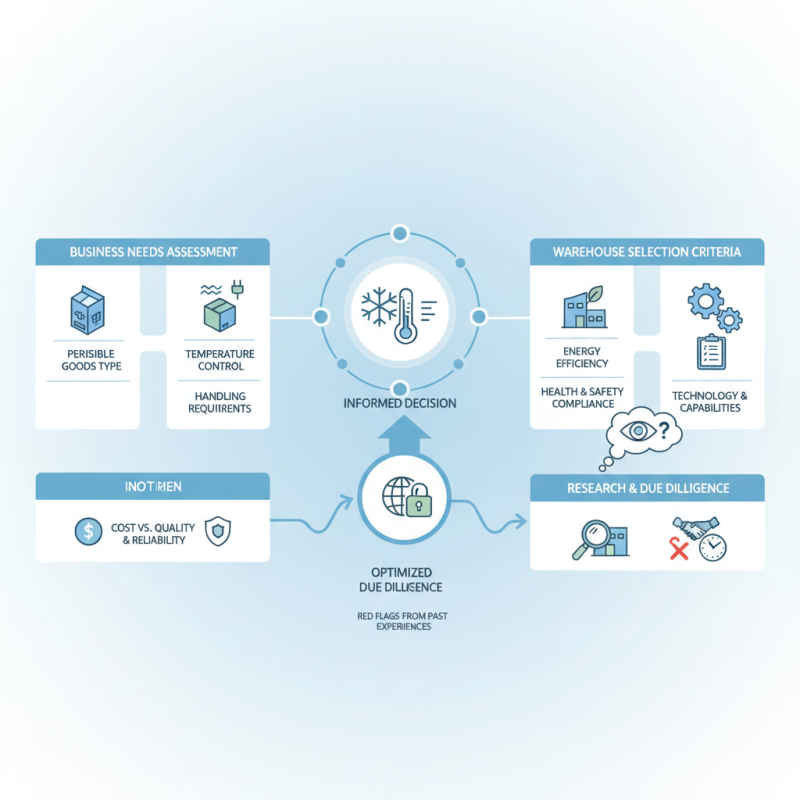
A proper Cold Storage Warehouse not only preserves products but also ensures compliance with health regulations. Each facility varies in temperature control, energy efficiency, and handling capabilities. Businesses must assess their specific needs before making a choice. Cost is not the only factor; quality and reliability matter too.
Choosing a Cold Storage Warehouse can feel overwhelming. It’s easy to get lost in options. Taking the time to research each facility's features can lead to better long-term partnerships. While many warehouses promise excellent service, not all deliver. Reflecting on past experiences can help identify red flags in your choices.
Identifying Your Cold Storage Requirements and Goals
Choosing the right cold storage warehouse begins with understanding your specific needs. What type of products do you plan to store? Different items require varying temperature and humidity levels. For instance, pharmaceuticals may need stricter controls than fruits and vegetables. Assessing these factors is crucial.
Consider the volume of goods you intend to store. Will your business grow soon? It’s vital to choose a facility that can adapt to your future storage needs. Additionally, think about easy access to your products. Can you retrieve them quickly when necessary? This efficiency can impact your operations directly.
Lastly, evaluate the technology and expertise of the facility. Does the warehouse offer real-time monitoring systems? Are the staff trained in handling sensitive products? Investigating these aspects will ensure your selected warehouse aligns with your goals. Reflect on past experiences with storage solutions. Are there any lessons learned or improvements to be made? Your insights can guide your decision in this significant area.
Evaluating Warehouse Location and Accessibility Options
When choosing a cold storage warehouse, location is key. Proximity to distribution centers can streamline logistics. A warehouse near major highways can minimize transportation time. Is it close to urban areas? This could mean faster delivery options. However, cost may rise in these locations. Balancing accessibility and price is crucial.
Accessibility options matter too. Evaluate the facility's loading docks and entry points. Are they designed for heavy trucks? A well-equipped warehouse can improve efficiency. Think about road conditions as well. Poor infrastructure can impede deliveries.
Consider the potential challenges. A prime location may have higher rent, which could squeeze budgets. Sometimes, an out-of-the-way site offers lower costs but affects delivery speed. Is it worth the trade-off? Reflecting on these factors helps you find the best cold storage solution for your needs.
Assessing Temperature Control and Storage Capabilities
When choosing a cold storage warehouse, temperature control is crucial. Different products require varying temperature ranges. For instance, pharmaceuticals may need refrigeration between 2°C to 8°C, while frozen foods must stay below -18°C. It's essential to confirm that the warehouse can maintain your desired temperature consistently. Look for warehouses equipped with real-time monitoring systems. These systems alert you immediately in case of any fluctuations.
Storage capabilities also play a significant role. It’s not just about temperature but also space utilization. A well-organized warehouse can maximize space for your goods. Inspect the racking systems and layout. How many pallet slots are available? If storage is limited, your products might get damaged. Also, consider the facility's capacity for handling high turnover. Will they be able to accommodate peak seasons without compromising quality?
Sometimes, not all warehouses provide the same level of reliability. Ask about their history. Have there been previous issues with temperature maintenance? Assessing the warehouse's track record can reveal potential risks. Speak to other clients to gauge their experiences. Understanding past performance can help inform your decision.
Comparing Costs and Contract Terms of Cold Storage Services
When selecting a cold storage warehouse, understanding costs and contract terms is crucial. According to a recent industry report, average storage fees can range from $1 to $3 per pallet per day, depending on the facility's location and services offered. This variation can significantly impact your overall budget. It’s important to compare these fees against your operational needs. Negotiate contract terms that allow flexibility, especially for seasonal peaks.
Additionally, look for warehouses that provide transparent pricing models. Hidden fees can accumulate, affecting your total costs. A survey conducted by the Cold Chain Federation revealed that 45% of businesses reported unexpected expenses related to hidden charges. This indicates the importance of clarity in contract negotiations. Consider facilities that offer clear service breakdowns and do not lock you into long-term commitments unless necessary.
The reliability of the warehouse is equally important. Check their performance metrics, such as temperature compliance and equipment maintenance. A facility with a strong track record can save you from spoilage and financial losses. Remember, not all agreements will perfectly suit your needs. Be prepared to reassess your choices as your requirements evolve.
Reviewing Safety Standards and Compliance in Cold Storage Facilities
When selecting a cold storage warehouse, safety standards and compliance are paramount. The industry heavily regulates temperature control, hygiene, and pest management. According to the Global Cold Chain Alliance, over 40% of temperature-sensitive products are lost due to inadequate storage practices. Ensuring that a warehouse meets safety standards can prevent substantial financial losses.
Regular inspections play a crucial role in maintaining compliance. Warehouses should follow guidelines from regulatory bodies like the FDA and USDA. Facilities must document temperature logs, as a failure to do so can lead to product spoilage. A systematic approach to safety can improve reliability. Yet, many facilities struggle to stay compliant with evolving standards. In a 2022 survey by the International Warehouse Logistics Association, 30% of respondents reported knowing little about current regulations.
While cold storage is essential, some warehouses fall short in maintaining proper hygiene. Frequent audits and employee training are vital for ensuring compliance. A study from the Food Safety and Inspection Service revealed that improper handling led to contamination in 25% of cold storage incidents. Constant vigilance and adherence to best practices are necessary for safeguarding both products and public health.
Cold Storage Warehouse Safety Standards Compliance