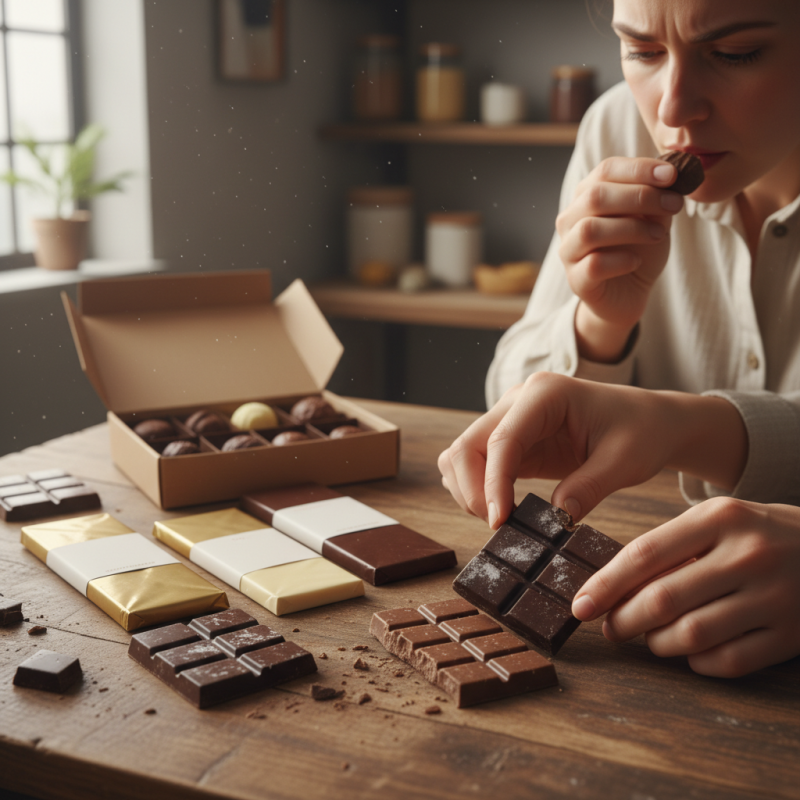
What You Need to Know About Chocolate Expiration Dates?
When it comes to chocolate, we often indulge without thinking about its shelf life. Chocolate expiration is a real concern for many. Knowing when chocolate goes bad can save you from unpleasant surprises.
Chocolate can last months or even years, depending on the type. Dark chocolate generally has a longer shelf life than milk or white chocolate. Factors like storage also play a role. Keep chocolate in a cool, dry place. Improperly stored chocolate can develop white spots or lose its flavor.
But what happens when you ignore those expiration dates? Sometimes, it may still be safe to eat. Other times, it can lead to an off taste or texture. It is crucial to trust your senses. Look for signs of spoilage. Check the texture, smell, and taste before indulging in that beloved treat.
Understanding Chocolate Expiration Dates
Understanding chocolate expiration dates can be tricky. Many people believe that chocolate can last forever, but that’s not entirely true. In fact, chocolate does have a shelf life, which varies based on the type and how it’s stored. Generally, dark chocolate lasts longer than milk or white chocolate. Factors like temperature and humidity can also affect its freshness.
The expiration date is often printed on the packaging. However, this date is more of a guideline than a hard rule. Chocolate may still be safe to eat after the date has passed. Yet, its flavor and texture might change. It might become dry or develop a white film. This is called bloom and is not harmful, but it may not taste as good.
Storage plays a key role too. If chocolate isn’t stored properly, it can go bad faster. Keep it in a cool, dry place, away from strong odors. Chocolate can absorb scents easily. Pay attention to how you store it. Sometimes, we just assume it will be fine. Relying solely on expiration dates can lead us to miss enjoying chocolate at its best.
Factors Influencing Chocolate Shelf Life
Chocolate is a beloved treat, but many people overlook its shelf life. Various factors influence how long chocolate remains safe and enjoyable. Temperature is crucial. High heat can cause chocolate to bloom, ruining its smooth texture. Ideally, store chocolate in a cool, dry place. Humidity can also affect its quality, leading to a stale taste.
Ingredients play a significant role in shelf life. Dark chocolate generally lasts longer than milk chocolate due to its lower moisture content. Chocolates with added nuts or caramel may spoil faster. Pay attention to the packaging. If it’s damaged, the chocolate inside may not be safe.
Expired chocolate may still be safe to eat, but its flavor can suffer. Sometimes, appearances aren't deceiving. A chocolate bar might look fine but taste bland. Over time, the texture can change, making it less enjoyable. Engaging in chocolate storage habits can be tricky, yet necessary for the best experience. Consider checking the packaging date and storing it wisely for optimal enjoyment.
Signs of Expired Chocolate
Chocolate has a shelf life, but it can last long after the expiration date. Knowing the signs of expired chocolate is essential for safety and taste. According to industry studies, approximately 30% of chocolate consumed is past its expiration date. This can happen, but it is crucial to examine the chocolate closely.
One stark sign of expired chocolate is a white powdery coating. This is known as "bloom," caused by temperature changes. It's not harmful, but it affects taste. Another red flag is a hard or brittle texture. Fresh chocolate is smooth and pliable. If you find it crumbling, it’s time to toss it. Moreover, any off-putting smell can indicate spoilage. Chocolate should have a pleasant aroma, reminiscent of cocoa and sweetness.
While many still consume chocolate that’s expired, it is a risk. A survey revealed that 65% of people ignore expiration dates, thinking taste is the only factor. However, expired chocolate can harbor mold or lead to gastrointestinal issues. Always prioritize your health. Enjoy your treats, but pay attention to signs of age.
Best Practices for Storing Chocolate
When it comes to storing chocolate, the right conditions make all the difference. Chocolate should be kept in a cool, dry place. Ideally, the temperature should be between 65°F and 70°F. Avoid exposing it to heat or humidity. High temperatures can cause chocolate to melt or bloom. Bloom results in a dull appearance and can affect taste.
For long-term storage, consider using an airtight container. This helps to guard against moisture and odors. Be cautious with the refrigerator. Cold temperatures can alter chocolate's texture. If you must refrigerate, wrap it tightly. Allow it to come back to room temperature before unwrapping. This prevents condensation from forming.
An imperfect storage environment can lead to stale chocolate. It's essential to check for signs of spoilage. Old chocolate may taste bland or lose its signature snap. Don't ignore the smell either; it should be rich and inviting. If you rarely eat chocolate, think about buying smaller quantities. It’s better than wasting it due to poor storage practices.
How to Safely Enjoy Older Chocolate
When it comes to chocolate, many people wonder about its expiration dates. Chocolate can last a long time, but it loses flavor over time. According to the Food and Drug Administration, dark chocolate can last up to two years if stored properly. Milk and white chocolate have a shorter shelf life, usually around one year.
You may find some chocolate in your pantry that is past its expiration date. Before tossing it out, consider how it looks and smells. If there are no signs of mold and it still smells chocolatey, you may be safe to enjoy it. A study from the National Confectioners Association highlighted that 7 out of 10 consumers still eat chocolate past its expiration date. This suggests that many view chocolate as being more about quality than strict adherence to expiration dates.
However, be cautious. If chocolate has a white coating, known as bloom, it may not be harmful but can affect taste. Eating older chocolate is an adventure. It may surprise you with hidden flavors. But remember, trust your senses. If it tastes off, it’s better to let it go. Chocolate should bring joy, not unease.