

Blog

China Best Car Window Blackout Film for Privacy?

Choosing the China best Car Window Blackout Film for privacy is not simply a matter of selecting the darkest sheet. The right option depends on where and how it will be used, the vehicle’s glass, and the need to preserve clear visibility. “Blackout” can suggest complete coverage, but that may be unsuitable while driving. Privacy matters. So does safety.

A careful comparison should look at light transmission, film thickness, adhesive quality, heat resistance, and removal methods. Product descriptions should state whether the film is designed for temporary or permanent installation. Clear measurements and manufacturer guidance are more useful than dramatic claims about total privacy or cooling performance. For a practical check, examine the sample against a window in daylight and at night; reflections and visibility can change with lighting. I would not rely on product photos alone. They rarely show the full picture.

This guide considers common features of films offered by Chinese manufacturers and explains what buyers should verify before ordering. Check the seller’s specifications, warranty terms, and support for installation, then confirm that any use complies with current local vehicle rules. A film that blocks a view through required windows can create real risks, even when privacy is the goal. If unsure, ask a qualified installer to assess the glass and intended placement. There is no perfect choice for every car, and product details can be incomplete. That uncertainty deserves attention, not a guess.
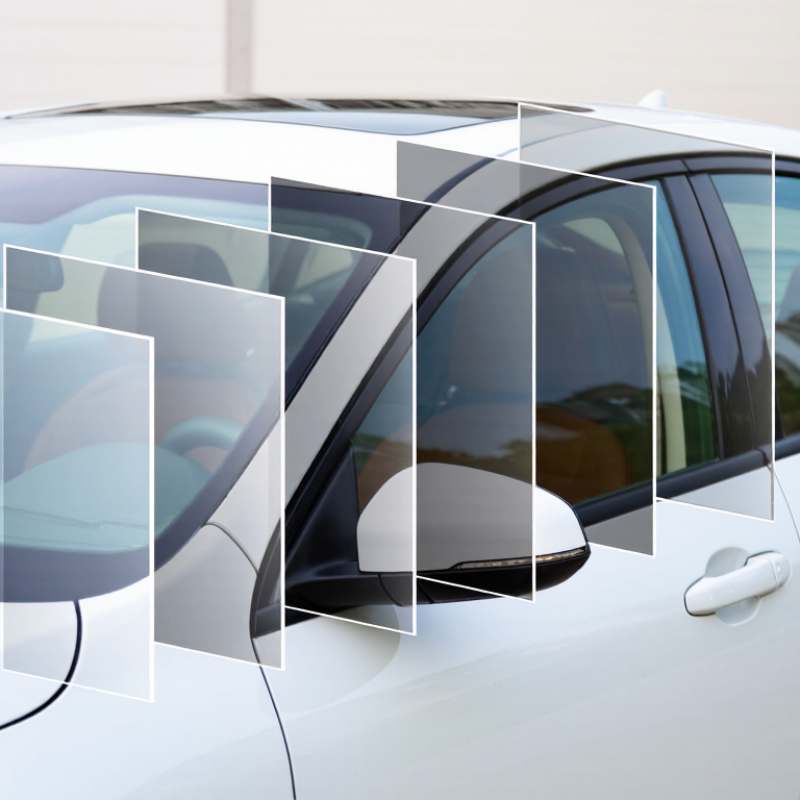
China Best Car Window Blackout Film for Privacy?

What Is Car Window Blackout Film and How Does It Protect Privacy?

Car window blackout film is an opaque or heavily tinted layer applied to glass to limit the view into a vehicle. Unlike a light tint, blackout film can obscure seats, bags, and other items from people outside. It creates a more private cabin. The level of privacy depends on the film, the glass, and the light outside. At night, bright interior lights may make shapes easier to see than expected.

The film can also reduce glare and sunlight, but it does not guarantee complete privacy. Some materials block more visible light than others, and installation gaps or scratched edges can reveal small areas. I’ve found that checking the windows from several angles is more useful than judging them straight on. A very dark finish may also make it harder to see out, especially in dim parking areas. That trade-off matters.

Tips: Test a small sample against the window in daylight and after dark. Sit inside and check visibility before choosing a darker film. Keep the glass clean; dust and bubbles can make the finish look uneven. Don’t assume it hides everything.

Types of Blackout Film Available for Car Windows in China

In China, “blackout film” can describe several products, not one standard material. Dyed film gives windows a darker appearance and added daytime privacy, but its heat control may be modest. It can also fade over time. Not all look alike.

Metallized film uses reflective layers to reduce sunlight and heat, though some constructions may affect electronic signals. Ceramic film relies on fine ceramic particles and can reduce heat without a mirror-like finish. It usually costs more. Removable static-cling film is another option for temporary privacy; it can be repositioned, but edges may lift or collect dust. Fully opaque blackout sheets block the view, yet also block visibility through the glass, so they are not a practical choice for windows needed for driving.

Tips: Check the film sample beside your actual glass, not just under shop lighting. A dark tint may still reveal the cabin at night when interior lights are on. Compare visible-light transmission and heat-control details, and ask how the film looks from both sides. These details are easy to overlook.

Key Factors for Comparing Privacy, Visibility, and Heat Rejection

A dark-looking car window film can add privacy, but shade alone tells little about performance. A sample may look nearly black indoors and appear lighter in bright sun. Not always. Check visible light transmission, which indicates how much light passes through the glass. Lower transmission can make faces harder to see, but it can also reduce the driver’s view at dusk.

Compare privacy, visibility, and heat rejection separately. Ask for measured visible-light and infrared performance, rather than relying on a vague “cooling” claim. Heat rejection depends on the film and the vehicle’s existing glass; a dark shade does not automatically block more heat. Sit in the car during midday and notice whether the dashboard feels cooler. Test it twice. Read the figures carefully, since different test methods can make products harder to compare.

Installation quality matters, too. Dust, bubbles, or uneven edges can distract the driver and spoil an otherwise suitable film. Have a qualified installer explain how the chosen shade will look from inside and outside. At night, check whether reversing or viewing a side mirror feels noticeably harder. I would not judge privacy from a showroom sample alone; real daylight and personal comfort can change the impression.

China Best Car Window Blackout Film for Privacy? - Key Factors for Comparing Privacy, Visibility, and Heat Rejection
Film shade (approx. VLT) Daytime privacy Nighttime privacy Driver visibility Heat-rejection comparison Typical considerations
Very dark (about 5%) Very high in daylight Limited when the cabin is brighter than the surroundings; silhouettes may still be visible Low, especially at night, in rain, or when reversing VLT alone does not determine heat rejection. Compare the film’s tested TSER for the intended glass. Strong privacy appearance, but may be unsuitable or unlawful on front windows in some locations.
Dark (about 15%) High Low to moderate; privacy decreases in low light Reduced, particularly at night Check product-specific TSER; a darker appearance does not guarantee greater heat rejection. Often considered for rear passenger windows where local rules allow.
Medium (about 35%) Moderate Low; interior details can be visible when the cabin is lit Generally better than very dark shades, though conditions and glass matter Compare TSER and the test conditions, not shade alone. A practical balance of appearance, daylight privacy, and outward visibility for many drivers.
Light (about 50%) Low Very low Typically higher than with darker film A high-performance film can reject substantial solar energy without looking very dark; verify its TSER data. Useful when heat or glare reduction matters more than privacy.
Clear or near-clear Very low Very low High, subject to the film and glass optical quality Some clear solar-control films are designed to reduce heat while maintaining high VLT; compare independently tested TSER. An option for heat control where darker tint is undesirable or restricted.
How to compare: VLT is the percentage of visible light transmitted through the film and glass; lower VLT means a darker appearance. TSER (total solar energy rejected) is a more useful heat-rejection comparison than shade alone. Results vary with film construction, existing glass, installation, and test method. Privacy is not one-way: at night, interior lighting can make a tinted window easier to see through from outside. Check local tint laws and visibility requirements before installation.

How to Choose the Best Blackout Film for Your Vehicle

Choosing the best blackout film starts with its purpose: privacy, glare control, heat reduction, or a balance. Darkness alone does not indicate heat performance. Compare visible light transmission (VLT), total solar energy rejected (TSER), and UV rejection, and ask for test documentation. A 2016 JAMA Ophthalmology study of 29 vehicles found average UVA blocking of 71% through side windows and 96% through windshields. Factory glass varies, so check your own vehicle’s specifications before choosing film.

Think about real driving conditions. A very dark film may conceal belongings, yet it can also make mirrors, pedestrians, and curbs harder to see at night. Check clarity from both inside and outside, especially around the edges, and look for haze or color distortion. A professional installer can assess glass compatibility and help confirm that the selected VLT meets local requirements. Specifications are useful, but they do not always predict how film will feel on a rainy evening.

Tips: Ask for measured VLT and TSER values, not just a shade description. View a sample beside your window in daylight and under dim light. Keep the receipt and product test details; they make later comparisons easier. Slightly lighter may be the wiser choice.

Installation, Local Tint Rules, and Ongoing Film Care

China Best Car Window Blackout Film for Privacy?

Installation and local tint rules deserve attention before choosing a dark film. In a 2016 JAMA Ophthalmology study of 29 vehicles, factory windshields blocked an average of 96% of UVA, while front side windows blocked 71%. These figures describe original glass, not every film or vehicle. Check the film’s documented visible-light transmission and UV performance, then confirm local limits with the relevant transport authority. Rules can differ by window and jurisdiction.

A clean installation starts with dust-free glass, careful edge trimming, and a dry workspace. Even a tiny trapped fiber can show as a pale speck in sunlight. Ask the installer how long the film needs to cure; moisture may make it look hazy at first. That part can be frustrating. Avoid lowering the windows during the stated curing period, and follow the installer’s care instructions rather than guessing.

Tips: Wash with mild, ammonia-free cleaner and a soft microfiber cloth. Skip abrasive pads and sharp tools near film edges. Check for lifting corners or persistent bubbles after curing, and ask a qualified installer to assess them. A darker shade may offer more privacy, but it can also reduce night visibility. Test the view from the driver’s seat before committing.

Car Window Tint: Visible Light Transmission and Privacy

How to read this chart: Visible light transmission (VLT) is the percentage of visible light that passes through the film. The values shown are illustrative VLT levels, not test results for specific products. Lower VLT means less light passes through and can increase daytime privacy, but it does not guarantee privacy at night. The combined VLT of film and factory-tinted glass may differ from the film rating.

Before installation: Check your local rules for permitted tint levels on each window; limits vary by location. For ongoing care, follow the installer’s curing instructions and clean the film with a soft cloth and an ammonia-free cleaner.

wpChatIcon
wpChatIcon