What is Chenille Embroidery Fabric and How to Use It?
Chenille Embroidery Fabric is gaining traction in the textile industry. Its unique texture and luxurious appearance attract designers and consumers alike. According to a recent report by Market Research Future, the market for chenille fabrics is projected to grow by 5% annually. This growth highlights the rising demand for versatile materials in home decor and fashion.
Expert in textile design, John McCormick, states, “Chenille embroidery fabric offers endless creative possibilities.” His insight reflects the fabric's adaptability across various applications. Designers appreciate its ability to evoke warmth and coziness, making it perfect for upholstery, curtains, and fashion accessories. Nevertheless, some manufacturers face challenges in maintaining consistent quality. This inconsistency can impact customer satisfaction and brand reputation.
Using chenille embroidery fabric effectively requires understanding its properties. The fabric can be prone to fraying, which necessitates careful handling. Additionally, proper washing and maintenance are crucial to preserving its texture and appearance. Embracing this fabric can enhance design projects but requires thoughtful consideration regarding its limitations and care.
What is Chenille Embroidery Fabric?
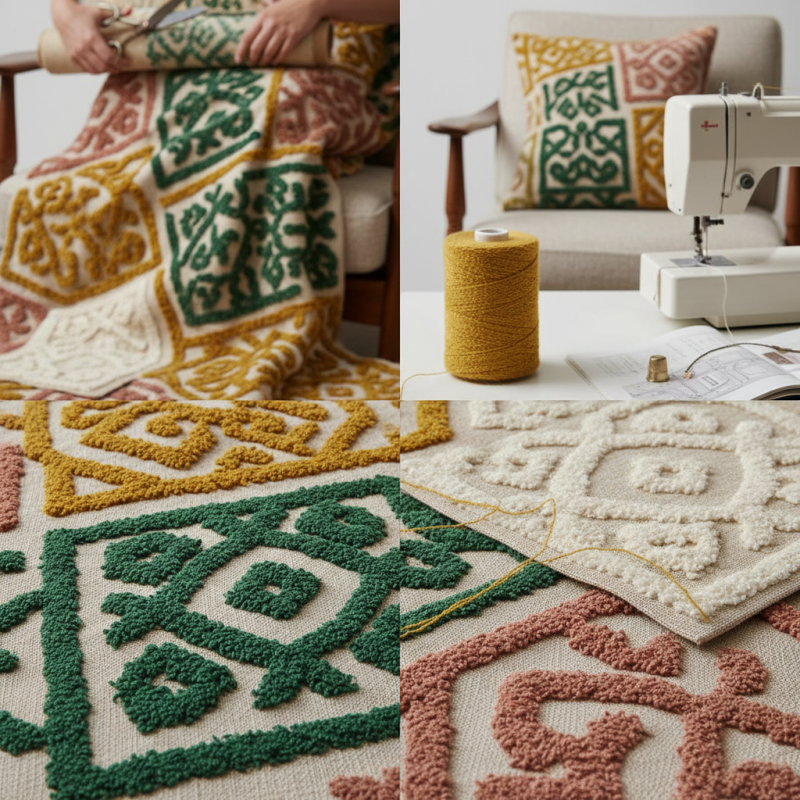
Chenille embroidery fabric is a unique textile known for its soft and textured surface. The fabric features looped fibers, creating a plush feel that is instantly recognizable. Its appearance can vary, offering rich colors and intricate designs. This distinctive look can elevate various projects, making it a favorite among crafters and designers.
Using chenille embroidery fabric requires some care and creativity. When sewing, choose a needle designed for thicker fabrics to avoid snagging. The fabric’s texture can be prone to fraying, so finish the edges properly. Consider pairing it with plain fabrics to let its texture stand out. While it can be used for home décor, garments, or accessories, some might find it challenging to work with due to its bulkiness.
It’s essential to practice your techniques. If you’re new to using chenille embroidery, experiments with swatches can help. This fabric offers a unique charm, but it may take time to master. Be patient when cutting or stitching; perfection is not always necessary. Embrace the creative process, and allow for some imperfections along the way.
What is Chenille Embroidery Fabric and How to Use It?
| Aspect | Description |
| Definition | Chenille embroidery fabric features a unique texture created by the loops of yarn, resembling a caterpillar, which gives it a soft and plush feel. |
| Common Uses | It is widely used for upholstery, home decor, children's clothing, and crafts, due to its durability and aesthetic appeal. |
| Care Instructions | Recommended to spot clean or gently hand wash; avoid harsh chemicals to maintain the fabric's texture. |
| Benefits | Chenille fabric provides a luxurious visual appeal and a soft touch, making it comfortable for various applications. |
| Best Sewing Techniques | Using a walking foot and a needle designed for thick fabrics helps in achieving a neat finish without snagging the loops. |
Characteristics and Types of Chenille Fabric
Chenille fabric is a unique textile known for its soft, plush texture. It is widely used in upholstery, fashion, and home decor. The soft surface is created by weaving loops of yarn, resulting in a velvety feel. This texture provides an inviting aesthetic. The global chenille fabric market is projected to grow significantly, reaching over $1 billion by 2025, according to industry reports.
Different types of chenille fabrics exist. Cotton chenille is common, offering durability and breathability. Meanwhile, synthetic variations like polyester provide greater stain resistance and lower maintenance. Some manufacturers have even started using recycled materials for eco-friendliness. While chenille is appealing, it can be prone to fraying and may show wear over time. Understanding these characteristics can help in making informed choices.
When working with chenille fabric, handling it carefully is crucial. Due to its looped structure, it can snag easily. To maintain its look, use a vacuum with an upholstery attachment to remove dust. Consider using a mild detergent during washing to prevent damage. Test any cleaning materials on a small, inconspicuous area first. This simple test can save you from regrets later.
Characteristics of Chenille Embroidery Fabric
Applications of Chenille Embroidery Fabric in Fashion
Chenille embroidery fabric has gained popularity in fashion due to its unique texture and vibrant colors. Designers often use this fabric for luxurious garments and accessories. Its plush surface adds depth and character to any piece, making it a favorite choice. Emphasizing comfort and style, chenille can be seen in everything from cozy sweaters to elegant evening dresses.
When incorporating chenille into your wardrobe, consider layering. A chenille cardigan over a simple dress creates an eye-catching look. Additionally, using chenille for accent pieces—like bags or shoes—can upgrade an outfit without overwhelming it.
Tips: Always test the fabric for color fastness before washing. Chenille can be delicate, so opt for hand washing to preserve the texture. Be cautious with how you store chenille items; avoid hanging them for long periods to prevent stretching.
Experimenting with patterns is another way to use chenille. Mixing it with other fabrics can create unexpected effects. However, aligning designs can be tricky. Be patient, as this may require adjustments to achieve the desired appearance. Embrace imperfections; they often add charm to handmade items.
Techniques for Working with Chenille Fabric
Chenille fabric is unique and requires special techniques for effective use. Start by choosing the right needle. A larger needle helps prevent snags. Use a new, sharp needle to ensure clean stitching. Test on a scrap piece first, as chenille can behave unpredictably.
When cutting chenille, use sharp scissors for precision. Snipping too close can cause fraying. Be cautious with patterns; they may stretch when worked. This fabric often shifts during sewing. Pinning it securely can help maintain alignment.
Pressing is another critical step. Use a low heat setting to avoid damaging the plush texture. Steam can provide structure without flattening the fibers. Always test your iron on scraps. Remember, chenille can be tricky, and practice is essential. Mistakes happen, and they can lead to unexpected creativity. Embrace imperfections and adjust your approach as needed.
Care and Maintenance Tips for Chenille Embroidery Items
Chenille embroidery fabric is known for its rich texture and vibrant colors. When caring for chenille embroidery items, specific methods help maintain their appearance.
Regular dusting is essential. A soft cloth or a vacuum with a soft brush attachment is ideal. This prevents dust build-up that can dull the fabric.
Washing chenille items requires caution. Hand washing is preferred over machine washing to protect the fibers. Use cold water and a gentle detergent. Industry reports indicate that washing in hot water can lead to shrinkage and color fading in as much as 30% of chenille fabrics. After washing, lay flat to dry instead of hanging. This avoids stretching that can deform the item.
Ironing is another critical aspect of maintenance. If necessary, use a low heat setting. Heat can damage the fibers, creating an irreversible change in texture. Experts suggest testing a small area before applying heat to the entire item. Proper care ensures the longevity of chenille embroidery, preserving its quality and enhancing its visual appeal.