Best Vacuum Sealed Bags for Smart Food Storage in 2026?
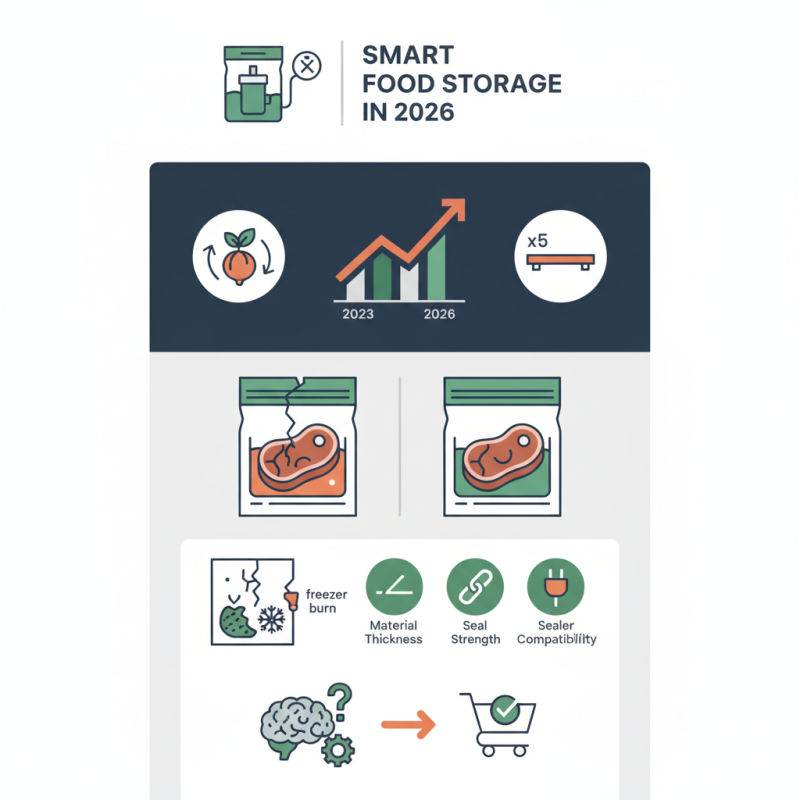
In 2026, the food storage industry is rapidly evolving. Consumers are increasingly seeking efficient solutions to reduce waste and prolong food freshness. Vacuum Sealed Bags have emerged as a popular choice for preserving food quality. According to industry reports, using vacuum sealed bags can extend the shelf life of food by up to five times compared to traditional storage methods.
Investing in high-quality vacuum sealed bags is not just a trend; it's a necessity. Studies indicate that proper food sealing drastically reduces spoilage and freezer burn. However, not all vacuum sealed bags provide the same level of protection. Some may lack durability or create poor seals. This inconsistency could lead to food deterioration, highlighting the importance of selecting the right product.
As the market evolves, understanding the features of vacuum sealed bags becomes crucial. Factors such as material thickness, seal strength, and compatibility with various vacuum sealers are essential. Consumers should reflect on their storage needs and choose bags that align with their lifestyles. Thus, making informed decisions becomes imperative for maximizing food preservation benefits.
Best Features to Look for in Vacuum Sealed Bags
When choosing vacuum sealed bags for food storage, various features can significantly enhance their effectiveness. One key element is the thickness of the bag. Studies suggest that bags with a thickness of at least 4 mil provide better durability. Thicker bags resist punctures and tears, which helps maintain a vacuum seal longer. This durability is crucial for preserving food freshness and flavor.
Another important factor is the sealing method. A strong seal ensures that no air leaks in, preventing freezer burn or spoilage. Research shows that vacuum-sealed foods can last up to five times longer than those stored in traditional containers. It’s essential to choose bags that offer a reliable heat seal and a one-way valve for optimal vacuuming.
Compatibility with various vacuum machines is also critical. Bags that are rigid enough to withstand the suction process can create a better seal. Reports indicate that improperly sealed bags lead to food waste, with up to 30% being spoiled due to air exposure. Investing in quality bags pays off in the long run, leading to sustainable food storage practices. Remember, even the best vacuum bags may require periodic checks for wear and tear. This attention to detail can prevent food spoilage and ensure safety in your kitchen.
Top Brands for Vacuum Sealed Bags in 2026
Choosing the right vacuum sealed bags can significantly enhance food storage efficiency in 2026. As studies suggest, over 40% of food waste occurs due to improper storage methods. The demand for vacuum sealed bags has increased as consumers look for ways to extend the shelf life of perishable items. Brands that offer high-quality materials and reliable sealing options are leading the market.
Look for bags made from BPA-free materials, ensuring safety when storing food. It's essential to consider factors like thickness and puncture resistance. Vacuum sealed bags typically range from 3 to 6 mils in thickness for durability. Many consumers prefer reusable options, which can reduce environmental impact. However, the proper cleaning and maintenance of these bags can be a challenge.
When selecting vacuum sealed bags, pay attention to compatibility with your vacuum sealing machine. Not all bags are created equal. Brands vary in their sealing effectiveness and ease of use. User reviews indicate that bags with reinforced seams tend to perform better in preventing leaks. Experimenting with different brands can lead to the best results for your specific storage needs.
Comparing Prices: Budget vs. Premium Vacuum Sealed Bags
When looking for vacuum sealed bags, price is a crucial factor. Budget bags often cost less but may lack durability. They might tear easily or fail to create a proper seal. For everyday use, they suffice, especially for short-term storage. However, some users report dissatisfaction with their performance over time.
Premium vacuum sealed bags provide superior quality. They often feature thicker materials and better sealing technology. These bags can withstand freezing and boiling without compromising their integrity. Many users find that investing in higher-quality bags leads to less food waste. The long-term savings from preserved food can outweigh the initial costs.
Consider your storage needs carefully. If you seal food frequently, premium bags may be worth it. For occasional users, budget options can be adequate. Assessing your lifestyle and consumption patterns can lead to the best choice for your kitchen. It's essential to weigh the pros and cons thoughtfully.
User Reviews: Most Recommended Vacuum Sealed Bags of 2026
When it comes to food storage, vacuum sealed bags have become increasingly popular. According to the latest report by the Food Innovation Alliance, the market for vacuum sealing technology is projected to grow at a rate of 6% annually through 2026. Many users praise these bags for their convenience and effectiveness in preserving food. They create an airtight seal, preventing freezer burn and extending shelf life. Reviews indicate that users appreciate the ability to maintain food quality for much longer than traditional methods.
User feedback highlights key features that customers look for in vacuum sealed bags. Durability and thickness are paramount. A review from the Culinary Tech Institute states that bags with a thickness of at least 4 millimeters significantly reduce the risk of punctures. Furthermore, many users report that ease of use matters. Some bags are designed for compatibility with various vacuum sealing machines, making them versatile. However, challenges remain. Some customers experience issues with sealing, requiring repeated attempts. This inconsistency can be frustrating for users.
Another area of concern is the environmental impact of these plastic bags. Many consumers are seeking eco-friendly alternatives. Recent surveys show that about 40% of consumers prioritize sustainability when selecting food storage solutions. As manufacturers adapt, the market may shift towards biodegradable options. However, users still express skepticism regarding effectiveness. These discussions highlight the evolving landscape of food storage solutions in 2026.
Innovative Uses for Vacuum Sealed Bags Beyond Food Storage
Vacuum sealed bags are not just for preserving food. They offer a range of innovative uses that extend their benefits into daily life. According to industry reports, around 42% of households use vacuum sealing for non-food items. This trend is growing as more people discover the versatility of these bags.
For example, they can be used for organizing clothing. Stored properly, seasonal clothes take up much less space. A study shows that vacuum sealing can reduce storage volume by up to 75%. This makes them perfect for small apartments or for packing for travel. If you wish to free up space in your wardrobe, consider this method. It’s practical and efficient.
Additionally, vacuum bags are ideal for protecting important documents or valuables. Moisture and dirt can damage these items, but sealed bags offer protection. They allow you to safeguard items like photographs, certificates, and even electronics. However, some users report concerns about long-term storage conditions. Over time, even vacuum bags may degrade. It’s vital to periodically check the integrity of the packaging. Understanding these aspects can enhance the reliability of your storage solutions.