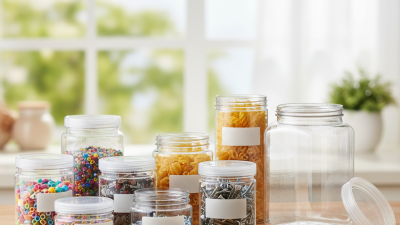
The Best Plastic Jars for Global Buyers How to Choose?
In today’s global market, choosing the right plastic jars can significantly impact brand visibility and product safety. Expert Mark Williams, a renowned consultant in the packaging industry, emphasizes, “Quality in packaging starts with the jars that contain your products.” His insight underscores the importance of selecting high-quality plastic jars. They serve not just for storage but also for enhancing consumer trust.
When global buyers navigate the vast options available, understanding materials, sizes, and functionalities becomes crucial. Plastic jars come in various shapes and sizes, making them versatile for different products. However, not all plastic is created equal. Poor quality plastic can lead to issues like leaching or damage.
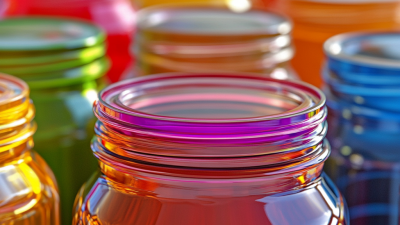
Moreover, the aesthetic appeal of plastic jars cannot be overlooked. They often affect a customer's first impression. Buyers need to reflect on their choices carefully. A product in a visually pleasing jar can stand out on crowded shelves. Ultimately, the right plastic jars can enhance brand identity and ensure a safe product experience.

Factors to Consider When Choosing Plastic Jars for Global Markets
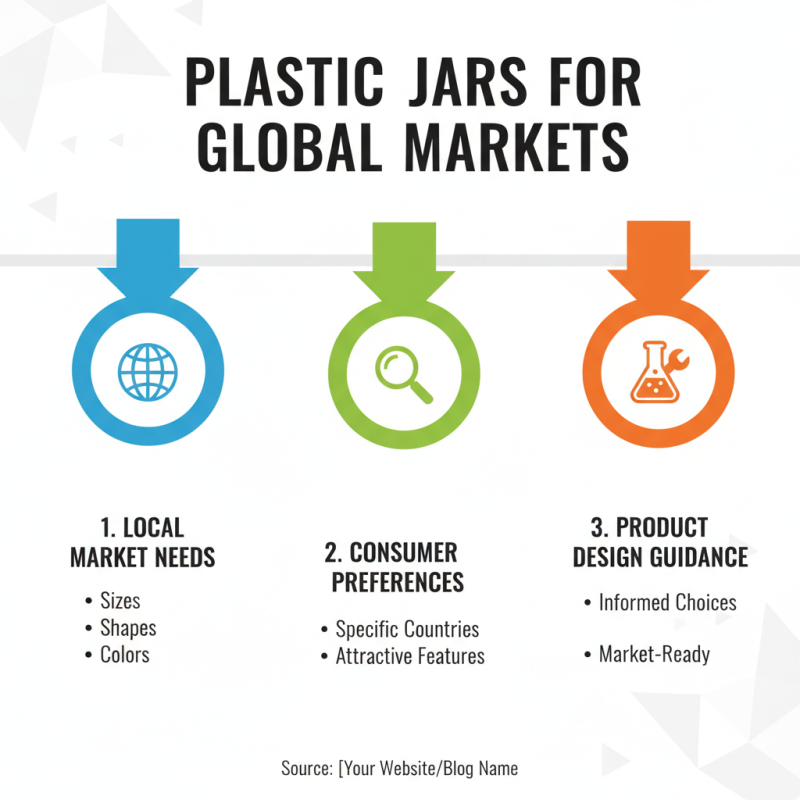
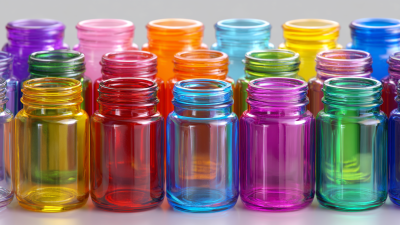
When selecting plastic jars for global markets, various factors come into play. Understanding local market needs is crucial. Different regions may have unique preferences for sizes, shapes, and colors. It helps to research which features attract consumers in specific countries. This knowledge can guide your product design.
Material quality is another important consideration. Not all plastics are created equal. Some materials are better for food storage, while others may be more suitable for cosmetics. Testing the durability and safety of materials is vital. Ensure that the chosen plastics comply with international safety regulations. If they do not meet these standards, the distribution could face serious hurdles.
Lastly, consider the environmental impact. More buyers are becoming eco-conscious. Opting for recyclable or biodegradable materials can enhance appeal. However, sourcing sustainable options can be challenging. Balancing cost and environmental responsibility may require careful evaluation. Reflecting on these factors can lead to better decision-making in your jar selection process.
Types of Plastic Jars Suitable for Different Products and Uses
When selecting plastic jars, consider the product they will store. Different materials are suited for specific uses. For food items, look for jars made from BPA-free plastic. These ensure safety and longevity. A clear jar can help customers see the contents easily. This visual appeal often influences purchase decisions.
For cosmetics or skincare products, opt for opaque jars that block UV light. This protects sensitive ingredients from degradation. The size also matters. Smaller jars are better for samples or travel sizes. Larger options can serve bulk products. This versatility is crucial for brands targeting various markets.
Be mindful of the jars’ design. A wide mouth opening makes it easy to fill and dispense items. Tightly sealed lids maintain product freshness. However, balancing convenience with security can be challenging. In some cases, customers may prefer greater tamper resistance. Testing different designs may reveal insights about user preferences and needs.
Material Quality and Safety Standards for Global Plastic Jars
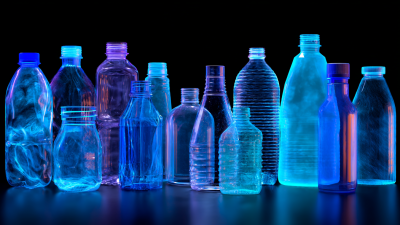
When choosing plastic jars for global markets, material quality and safety standards are paramount. The materials must be non-toxic and compliant with international guidelines. Plastic types like PET, HDPE, and PP are common and should be thoroughly evaluated. High-quality plastics resist shattering and wear, ensuring longevity.
**Tips:** Always check for certifications. Compliance with safety standards like FDA or EU regulations is essential. Ensure that jars are free from harmful substances like BPA.
It's crucial to consider the potential environmental impact. Using recyclable materials can enhance brand reputation. However, some consumers might not recycle properly, leading to waste. This factor necessitates deeper reflection on sourcing strategies and user education.
**Tips:** Encourage users to recycle. Provide clear disposal instructions on the packaging. Reducing plastic waste starts with conscious choices.
The Best Plastic Jars for Global Buyers: Material Quality and Safety Standards
Cost-Effectiveness and Sourcing Strategies for Plastic Jars
When sourcing plastic jars, cost-effectiveness is essential. Buyers need to carefully evaluate both material and production costs. Comparing various suppliers can reveal significant price differences. It's vital to consider the quality of the jars as well. Cheaper options may lead to higher rejection rates due to defects.
Sourcing strategies also play a crucial role. Establishing strong relationships with manufacturers can lead to better pricing and consistent quality. Visiting factories can provide insights into production capabilities. Understanding local regulations ensures compliance and avoids costly mistakes.
While many suppliers offer competitive prices, it’s important to remain vigilant. Some may compromise on quality to cut costs. Never underestimate the importance of quality assurance. Finding a balance between cost and reliability is key. This requires ongoing evaluation and potential adjustments in sourcing strategies.
Popular Manufacturers and Brands of Plastic Jars Worldwide
When choosing plastic jars, it’s essential to consider the manufacturers and brands that are popular worldwide. Renowned producers ensure high quality and safety standards. Look for those with a track record in the industry, known for their durable and effective products.
Many consumers overlook the importance of the material itself. Reliable plastic jars often come in various types such as PET, HDPE, or PVC. Each type has its own advantages. For example, PET is lightweight and recyclable, making it an excellent option for many buyers.
Tips: Always check product reviews and certifications. They can provide insights into a manufacturer’s reliability. Don’t hesitate to request samples before making a bulk purchase. This helps you assess quality firsthand.
Consider your specific needs too. Some jars are perfect for food storage, while others are suited for industrial uses. Understand your requirements before making a decision. Quality should always outweigh cost.