10 Best Plastic Bottle Packaging Solutions for Your Business Needs?
In the ever-evolving landscape of packaging, the significance of "Plastic Bottle Packaging" cannot be overstated. Industry expert Dr. Sarah Thompson once stated, “Effective packaging solutions are essential for brand success and sustainability.” This underscores the vital role that thoughtful plastic bottle designs play in a business's overall strategy.
With the increasing consumer demand for convenience and sustainability, companies are challenged to innovate. Plastic bottles are versatile, lightweight, and customizable. However, selecting the right packaging solution requires careful consideration. The options available range widely, making it overwhelming for businesses to choose.
Various factors influence the effectiveness of plastic bottle packaging. Brand identity, product safety, and environmental impact should all be aligned. While many solutions exist, not all will suit every company's needs. It’s important to reflect on past choices and outcomes to inform future decisions. The journey toward the best packaging solution is ongoing, requiring constant reassessment and adaptation.
Overview of Plastic Bottle Packaging Solutions
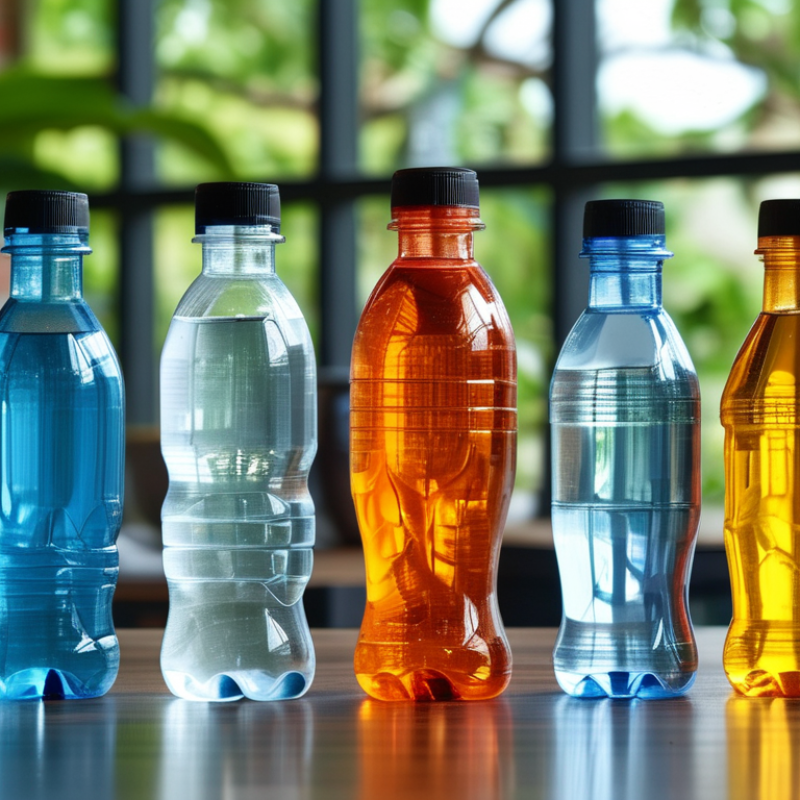
Plastic bottle packaging is essential in various industries. The global plastic bottle market has grown significantly. According to recent industry reports, it was valued at over $40 billion in 2022. This growth illustrates the rise in demand for plastic bottles in food, beverage, and personal care sectors.
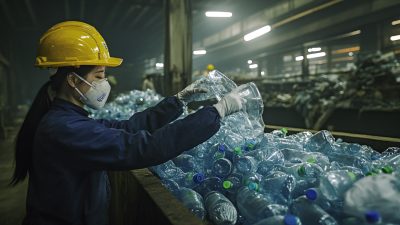
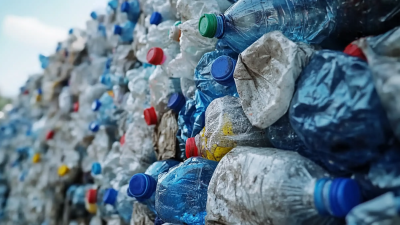
One notable solution is the use of recyclable PET bottles. These bottles are lightweight, durable, and help reduce carbon footprints. Industry data indicates that PET recycling rates are increasing, but they still need improvement. Unfortunately, the recycling process can be inefficient. Less than 30% of PET bottles are recycled globally. Businesses must remember the environmental impact of plastic waste.
Innovations in biodegradable plastics are also gaining traction. These materials can decompose more quickly than traditional plastics. However, they often come with higher production costs. Companies must balance sustainability with budget concerns. Packaging solutions should not only focus on efficiency but also consider their long-term impact on the environment.
Factors to Consider When Choosing Plastic Bottle Packaging
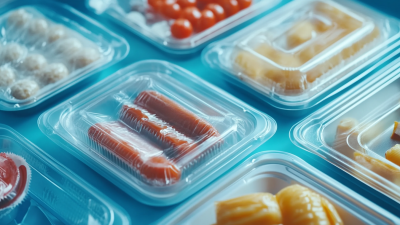
Choosing the right plastic bottle packaging is crucial for your business. Consider factors like material type, design, and functionality. Different materials, such as PET or HDPE, offer unique benefits. PET is lightweight and transparent, while HDPE is durable and resistant to chemicals.
Design is equally important. Think about the shape and size of the bottle. A good design enhances brand visibility. It can also affect user experience. A bottle that is awkward to hold may frustrate consumers. Evaluate various designs and get feedback from potential users.
Functionality shouldn't be overlooked. Closing mechanisms and dispensing options can influence customer satisfaction. Think about how easy it is for consumers to access the product. Packaging should protect the contents while being user-friendly. Test different options and analyze the feedback. This reflection can help in refining your choices.
10 Best Plastic Bottle Packaging Solutions for Your Business Needs
| Packaging Type |
Material |
Capacity (ml) |
Closure Type |
Best For |
| Standard PET Bottles |
PET |
500 |
Screw Cap |
Beverages |
| Cosmetic Bottles |
HDPE |
200 |
Pump Dispenser |
Lotions |
| Food Containers |
PP |
1000 |
Snap-On Lid |
Sauces |
| Squirt Bottles |
LDPE |
250 |
Flip Top |
Condiments |
| Pharmaceutical Bottles |
PETG |
100 |
Child-Resistant Cap |
Medicines |
| Clear Bottle with Handle |
HDPE |
5000 |
Screw Cap |
Liquid Chemicals |
| Spray Bottles |
PET |
300 |
Mist Spray |
Cleaning Solutions |
| Milk Jugs |
HDPE |
2000 |
Cap |
Dairy Products |
| Custom Design Bottles |
Various |
Variable |
Custom Cap |
Specialty Products |
Types of Plastic Bottles for Different Products
When choosing plastic bottles for packaging, different products require specific types of bottles. Knowledge of these varieties is essential for effective branding and product preservation. According to a report by Smithers Pira, the global plastic bottle market is projected to reach over $40 billion by 2027. This indicates a growing demand for various designs and materials tailored to product needs.
For liquids, such as beverages and personal care items, HDPE (high-density polyethylene) and PET (polyethylene terephthalate) bottles are common choices. They ensure durability and resistance to impact. In fact, PET bottles can be lightweight yet strong, ideal for carbonated drinks. However, their environmental impact raises concerns. Companies need to ponder recycling capabilities and sustainable materials.
For household products, many brands opt for squeezable bottles made from LDPE (low-density polyethylene). These provide functionality, allowing users easy dispensing. However, LDPE is less rigid, making it vulnerable to deformation. Evaluating these options requires weighing cost, functionality, and consumer perception. Ultimately, the right packaging solution can enhance product appeal and convey professionalism. Understanding the specific needs of your product will lead to better choices in packaging solutions.
Sustainable Alternatives in Plastic Bottle Packaging
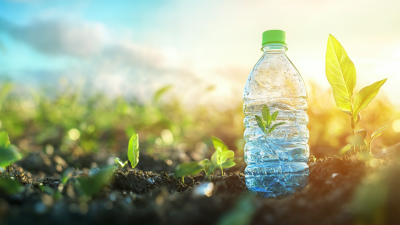
As businesses strive for sustainability, many are turning to innovative plastic bottle packaging solutions. The global market for sustainable packaging is projected to reach $700 billion by 2027, according to recent industry reports. This highlights an urgent need for manufacturers to adapt and adopt environmentally friendly practices. Recycled materials, such as rPET, are now becoming mainstream, with an increasing percentage of bottles being made from recycled content. Companies that utilize these materials not only reduce landfill waste but also decrease their carbon footprint.
Despite these advancements, some challenges remain. While many businesses are transitioning to greener alternatives, the availability of high-quality recycled plastic can still be limited. Furthermore, consumers often express skepticism about the effectiveness and safety of recycled packaging. A recent survey indicated that 60% of consumers are unsure if recycled materials meet the quality standards of new plastics. This gap in perception can hinder market growth. Businesses must work on transparency and educate customers about the benefits of sustainable packaging to build trust.
In addition to recycled content, companies are exploring biodegradable options in plastic bottle design. Brands using biodegradable polymers, which break down more easily in the environment, show promise for the future. However, understanding the conditions under which these materials degrade is essential. Without the right environment, these bottles may not decompose as intended, leading to pollution. The complexity of sustainability in packaging requires ongoing research, innovation, and consumer awareness to foster meaningful change in the industry.
Innovative Technologies in Plastic Bottle Manufacturing
Innovative technologies in plastic bottle manufacturing are changing the landscape of packaging solutions. As reported by the Global Plastics Packaging Market Study, the market is projected to reach $1 trillion by 2027. Innovations like 3D printing and bioplastics are gaining traction. These methods reduce waste and enhance design flexibility, which are vital for sustainable practices.
Companies are adopting lightweight materials. This shift not only lowers shipping costs but also decreases environmental impact. Advanced bottling technologies enable manufacturers to create bottles with unique shapes and closed-loop recycling capabilities. According to industry experts, nearly 65% of consumers prefer brands that prioritize sustainability.
Tips for businesses include researching biodegradable options. This helps align with current consumer trends. Always consider the lifecycle of the product. Implementing more responsible materials can enhance brand image. Diversifying packaging solutions can lead to better customer retention. Focus on innovative designs that stand out on shelves, as unique packaging can influence purchase decisions significantly. Embracing these new technologies may reveal areas for growth and improvement in your own packaging processes.