Best Filter Bags For Cement Plants In 2026 What To Choose?
Selecting the best Filter Bags For Cement Plants in 2026 requires careful consideration of several factors. Filter bags play a crucial role in maintaining air quality and operational efficiency. With advancing technology, the options available are becoming more diverse.
When choosing filter bags for cement plants, it’s essential to focus on material durability and filtration efficiency. Some materials perform better under extreme conditions. Specific designs can enhance airflow while ensuring maximum dust collection. However, not all products on the market deliver the expected results. It's crucial to do thorough research and consult experts.
Cement plants often face unique challenges. The abrasive nature of cement dust can lead to increased wear on filter bags. Price is an important factor too. However, opting for cheaper options may result in more frequent replacements. This can ultimately raise costs in the long run. Thus, investing in high-quality filter bags for cement plants could lead to more sustainable operations.
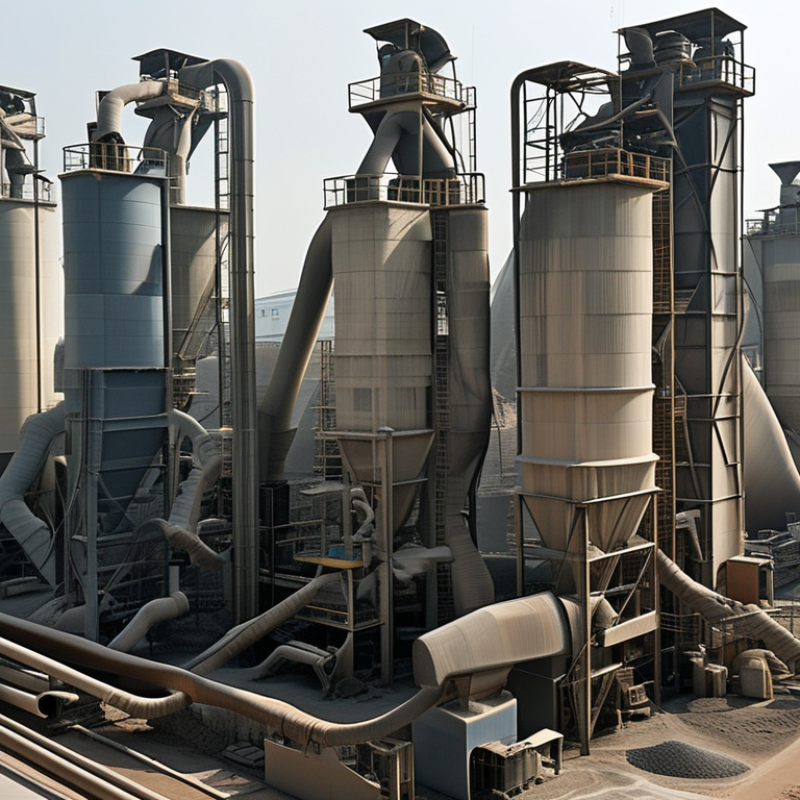
Overview of Cement Plant Filter Bags: Importance and Benefits
Cement plants generate dust and emissions during production. This makes filter bags essential for air quality control. They capture fine particles, ensuring compliance with environmental standards. High-quality filter bags enhance operational efficiency by reducing downtime and maintenance costs.
When selecting filter bags, consider the materials used. Polyester and polypropylene are common due to their durability and effectiveness. Pay attention to the filtration efficiency required for your specific operations. A well-chosen bag will improve performance and lifespan, leading to better overall results.
Tips: Regular maintenance of filter bags is crucial. Inspecting the bags for wear can prevent costly replacements. Keep in mind that not all filter bags are created equal. Test different options to find the best fit for your plant's needs. Make data-driven decisions to optimize your filtration system. Remember, the right filter bags will pay off in the long run.
Key Factors to Consider When Choosing Filter Bags for Cement Plants
Choosing the right filter bags for cement plants in 2026 involves careful consideration. Filter bags play a vital role in controlling emissions and ensuring product quality. Selecting appropriate materials is crucial for efficiency. Look for options that can withstand high temperatures and abrasive particles. They should also be resistant to chemical exposure.
Another important factor is the bag design. Options vary from single-sleeve to multi-sleeve configurations. Multi-sleeve may provide better filtration but could require more maintenance. Assess the installation process, too. Not all designs fit every setup, which can impact performance.
It's beneficial to consult industry experts. Knowledgeable professionals can guide you through the specifications. Remember to consider the longevity and compatibility of filter bags with your current system. Ignoring these factors may lead to frequent replacements and increased costs. Consider different options before making a decision. Be prepared to adapt as new technologies emerge.
Best Filter Bags for Cement Plants in 2026
In the pursuit of selecting the best filter bags for cement plants in 2026, it is crucial to evaluate materials based on their efficiency ratings. This chart depicts the efficiency ratings of various filter bag materials, helping you make an informed decision for optimal performance.
Types of Filter Bags Available for Cement Manufacturing Processes
In cement manufacturing, filter bags play a crucial role in maintaining air quality. Different types are available, each serving specific needs. The most common types include needle felt bags and woven bags. Needle felt bags offer high filtration efficiency, while woven bags are more durable for abrasive materials.
According to industry reports, nearly 70% of cement plants use needle felt due to its superior dust capture rate. However, woven bags remain popular in facilities handling heavier dust loads. The choice of filter bags impacts not only operational efficiency but also plant compliance with environmental regulations. Over 30% of plants still struggle with dust emissions due to inadequate filtration solutions.
Tips: Regular maintenance of filter bags is essential. This includes timely cleaning and replacement to avoid performance dips. Operators should monitor bag performance closely to make necessary adjustments. This approach can prevent costly downtime and ensure compliance with air quality standards. Remember, the right filter bag can significantly enhance your cement manufacturing operations.
Top Brands and Models of Filter Bags for Cement Plants in 2026
Choosing the right filter bags for cement plants in 2026 is crucial. Quality is key. Effective filtration ensures efficient operations and compliance with environmental standards.
Top brands offer models designed to handle heavy dust loads. They feature advanced materials and innovative designs. When selecting, consider the specific needs of your plant. Manufacturing environments vary greatly.
**Tips:** Look for filter bags with high filtration efficiency. This reduces emissions and improves air quality. Also, consider the durability of materials. Bags should withstand harsh conditions without frequent replacements.
Testing different models can yield surprising results. One type may perform brilliantly in one setting but poorly in another. Engaging with industry professionals can provide insights. Their experiences could highlight common pitfalls to avoid. Balancing cost and performance is essential, but longevity often pays off.
Best Filter Bags For Cement Plants In 2026
| Filter Bag Type | Material | Temperature Resistance (°C) | Filtration Efficiency (%) | Service Life (Months) | Applications |
| Polyester | Polyester | 130 | 99.9 | 24 | Cement Production |
| Pleated Filter Bags | Polypropylene | 80 | 99.5 | 18 | Coal Mill, Ash Handling |
| Aramid | Aramid | 200 | 99.8 | 36 | High Temp Applications |
| Glass Fiber | Glass Fiber | 260 | 99.9 | 48 | Cement Kilns, Incineration |
| PTFE Coated | Polyester with PTFE Coating | 130 | 99.9 | 30 | Cement Dust, Abrasive Particles |
Maintenance and Longevity: Ensuring Optimal Performance of Filter Bags
In cement plants, maintaining filter bags is essential for optimal performance. Studies show that efficient air pollution control can reduce emissions by up to 99%. Filter bags, often made of specialized fabrics, capture dust and particulate matter effectively. However, their longevity can vary based on several factors.
Regular maintenance is crucial. Filter bags should be inspected routinely for wear and tear. The American Society of Mechanical Engineers (ASME) recommends a preventive maintenance schedule to extend the lifespan of these components. Inadequate maintenance can lead to increased resistance, compromising air flow and performance. A 2021 report highlighted that poorly maintained filters might cause excess emissions, risking non-compliance with environmental regulations.
The right choice of filter bag material can enhance durability. Some materials offer better heat resistance, while others perform well in moisture-laden environments. Understanding the specific operational context is vital. In high-dust workloads, specialty bags can outperform standard options. Your choice should be data-driven, aligning with the plant's operational needs and climate. This approach ensures filter bags function optimally, but requires ongoing assessment and adjustment to maximize their lifespan.