What Are the Benefits of Using Brown Paper for Packaging?
In recent years, there has been a growing interest in sustainable packaging solutions. Brown Paper has emerged as a viable option. Experts in the packaging industry have highlighted its many benefits. For instance, Dr. Emma Hawthorne, an authority in sustainable materials, states, "Brown paper promotes eco-friendliness while ensuring product safety."
This versatile packaging material is not only biodegradable but also recyclable. Businesses that choose brown paper often appreciate its strength and durability. It provides an excellent barrier against moisture, making it suitable for various products. However, many companies still overlook this option despite its advantages.
Moreover, brown paper is cost-effective and easy to source. The production process generally has a lower carbon footprint than plastic alternatives. Nevertheless, some might argue that the aesthetic appeal is lacking compared to glossy packaging. This raises important questions about balancing sustainability and visual marketing. Companies must consider how to present products appealingly while remaining environmentally responsible with brown paper.
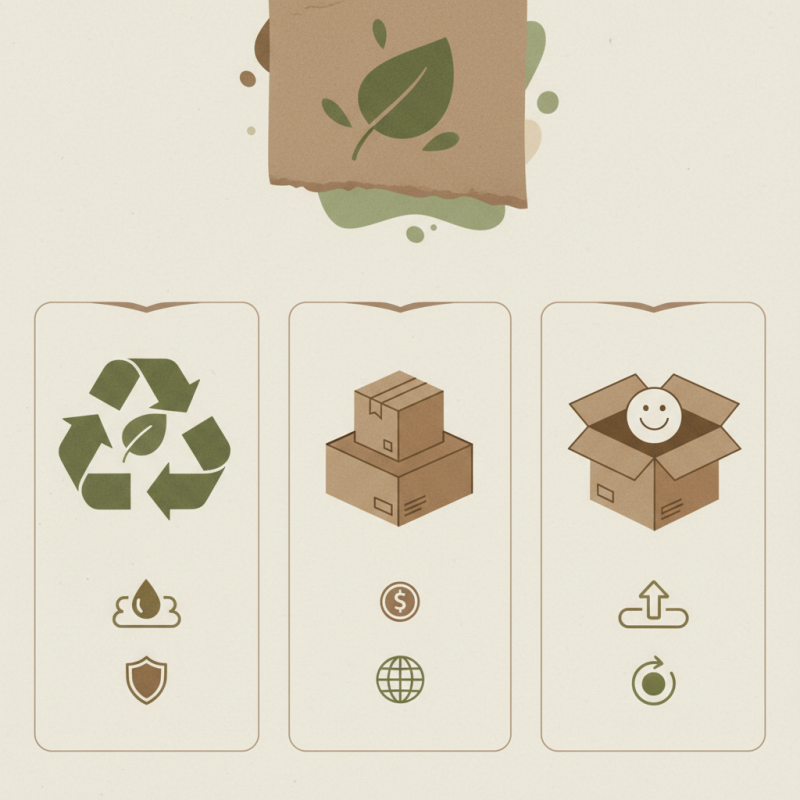
Benefits of Brown Paper Packaging: An Overview of Environmental Impact
Brown paper packaging offers several environmental benefits. Made from renewable resources, it is biodegradable and compostable. Studies indicate that brown paper products decompose in about 30 days in the right conditions. This contrasts sharply with plastic, which can take hundreds of years to break down. According to the Environmental Protection Agency, over 27 million tons of paper and paperboard were recycled in 2018 alone, showcasing the potential of sustainable materials.
Furthermore, using brown paper reduces greenhouse gas emissions. A report from the Sustainable Packaging Coalition states that fiber and paper-based packaging can have a lower carbon footprint compared to plastics. The production process for sustainable paper can utilize waste materials, minimizing reliance on virgin resources. However, it's essential to consider sourcing practices. Not all brown paper comes from sustainable forestry. Deforestation concerns remain prevalent.
Consumer preferences also impact the demand for brown paper. Many survey results reveal that consumers prefer recyclable packaging. This shift encourages companies to rethink their packaging choices. Despite its advantages, challenges remain. Not all industries have embraced brown paper fully. Logistics and durability concerns can hinder broader adoption. Understanding these complexities is crucial for fostering a sustainable future.
Cost-Effectiveness of Brown Paper in Comparison to Other Packaging Materials
Brown paper has gained traction as a packaging solution due to its cost-effectiveness. Industry reports reveal that brown paper is typically 15-25% cheaper than plastic packaging materials. This cost advantage is appealing for businesses seeking to lower their expenses. Moreover, brown paper is widely available, which helps keep supply costs down.
Additionally, the versatility of brown paper enhances its value. It can be used for various packaging needs, from wrapping individual items to larger boxes for shipping. An estimated 70% of companies reported that switching to brown paper reduced their overall packaging costs. However, it's essential to consider the long-term sustainability of using brown paper versus alternatives. While it is recyclable and biodegradable, not all brown paper is created equally. Some may have coatings that hinder recyclability.
The durability of brown paper is another factor. It can endure considerable weight without tearing, making it suitable for shipping heavy items. Yet, transitioning from plastic to brown paper can involve initial uncertainties in performance. Businesses must assess their needs closely to avoid any disruption. Finding the right balance between cost and functionality remains a challenge in adopting this material.
Durability and Strength: Why Brown Paper Excels in Protecting Products
Brown paper is often overlooked in the packaging industry, yet it offers significant advantages. Its durability is one of its key features. Brown paper can withstand rough handling during shipping. It's tear-resistant, making it ideal for protecting various products. This strength ensures that items remain secure and undamaged throughout their journey.
In addition to its strength, brown paper is flexible. This flexibility helps it conform to the shape of the product it protects. As a result, it minimizes movement inside the package, reducing the risk of breakage. Many industries, including food and crafting, have found this characteristic invaluable. A well-designed brown paper package can enhance the unboxing experience, presenting products in a more environmentally friendly manner.
Despite its many benefits, some may question its appeal compared to plastic. Brown paper can seem less polished or sophisticated. However, this natural aesthetic appeals to many consumers today, who value sustainability and authenticity. It's essential to balance presentation with function. Brown paper packaging offers a unique solution that does not compromise product protection.
Recyclability and Sustainability: A Look at Brown Paper's Life Cycle
Brown paper packaging is gaining momentum as a sustainable choice. Its recyclability plays a key role in minimizing waste. Brown paper can be recycled multiple times before fibers weaken. This recycling process conserves resources and reduces landfill contributions. Each time paper is recycled, new life is breathed into the material. It often finds a second chance as packaging again.
The life cycle of brown paper begins with trees, which absorb carbon dioxide. Sustainable forestry practices ensure that trees are replaced. This replenishes the ecosystem and maintains the balance. When discarded, brown paper breaks down naturally. It doesn’t land in the environment for decades. Instead, it contributes to soil health over time.
Tips for choosing brown paper: Look for unbleached versions. They are generally less processed and more eco-friendly. Check for recycling symbols on packaging. Use brown paper for wrapping gifts. It adds a rustic touch while being kind to the Earth. Rethink your packaging needs. Small changes can lead to significant environmental impact.
Consumer Preferences: Trends Favoring Brown Paper Packaging Solutions
Recent studies indicate a significant shift in consumer preferences toward brown paper packaging. According to a report by Smithers Pira, the sustainable packaging market is expected to grow at a rate of 5.4% annually, with brown paper emerging as a top choice. Its biodegradable nature appeals to environmentally conscious shoppers. Many consumers now actively seek out brands that prioritize eco-friendly materials.
The visual appeal of brown paper also plays a role. Consumers often associate it with craftsmanship and quality. A survey by the Paper and Paperboard Packaging Environmental Council found that 70% of consumers rated brown paper as more attractive compared to plastic alternatives. This aesthetic preference can enhance brand loyalty.
However, some brands struggle to transition to brown paper without sacrificing durability and protective qualities. This presents a reflection point for businesses seeking to align with trends while maintaining product integrity.
The trend also poses challenges. Brown paper isn’t always as versatile as plastic. It may not withstand moisture as well. Companies must consider these limitations while appealing to eco-friendly trends. As preferences shift, balancing sustainability and functionality remains crucial for packaging choices.