

In today's competitive market, businesses are constantly seeking innovative solutions to enhance their products. Flexible Packaging Film is emerging as a powerful tool in this quest. This packaging type offers versatility, appealing to both manufacturers and consumers alike.
Flexible Packaging Film provides a lightweight and cost-effective option. It protects products while maintaining their freshness. Businesses can choose from various materials and designs to create unique packaging. This personalization attracts customers, increasing brand recognition.
However, not all applications succeed. Some companies struggle with production efficiency or recycling. These challenges remind us that while Flexible Packaging Film has many benefits, proper strategy and execution are crucial. Balancing innovation with practicality is key to maximizing its potential.
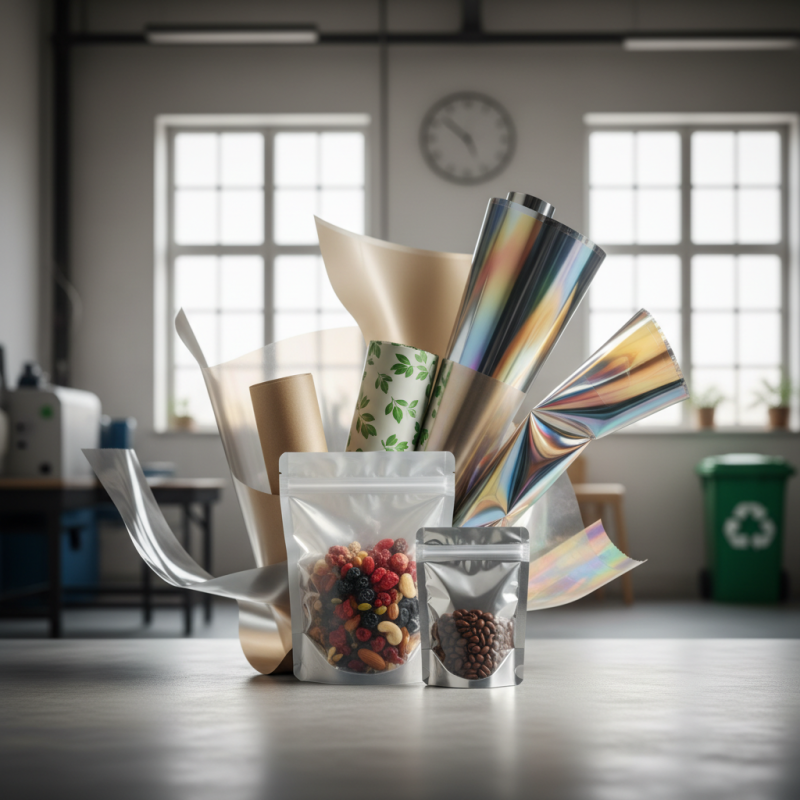
Flexible packaging film brings significant cost reduction benefits for businesses. According to a recent market analysis, switching to flexible packaging can decrease material costs by up to 30%. This efficiency stems from lightweight materials, which reduce shipping expenses. Companies save on transportation costs when products are lighter and take up less space. This aspect can lead to maximizing profit margins for manufacturers.
Costs can also be lowered through sustainable practices. Many flexible packaging options are recyclable or made from recycled materials. A report from the Flexible Packaging Association indicates that over 70% of consumers prefer brands with sustainable packaging. Implementing eco-friendly practices not only cuts costs but also enhances brand loyalty among eco-conscious customers.
Tips: Consider investing in technology that improves the design of flexible packaging. Efficient designs reduce waste and material use. Collaborate with suppliers to find cost-effective and sustainable materials. Regularly review your packaging processes. Analyzing data can help identify areas of improvement and cost savings. Always keep an eye on evolving trends in packaging to stay competitive.

Flexible packaging film has revolutionized how products stay fresh. The barrier properties of these films help keep moisture and air out. This is crucial for perishable goods like food and beverages. A well-sealed package ensures longer shelf life. It reduces spoilage, which is a considerable concern for many businesses.
Moreover, flexible packaging is lightweight, reducing shipping costs. Less weight means more products can be transported at once. However, not all businesses take full advantage of this. Some still rely on traditional packaging, risking product quality. This gap can be a chance for companies to improve. With flexible options, freshness can be maintained longer, creating a better customer experience.
This type of packaging also allows for creative designs. Colors and graphics can attract consumers. Yet, some businesses overlook the importance of visual appeal. An eye-catching package can drive sales. It’s an area worth reconsidering. In a competitive market, every detail matters. Enhancing product freshness and packaging design can lead to significant advantages.
Flexible packaging has gained traction for its sustainability benefits. With the rise in eco-conscious consumers, businesses are shifting towards more sustainable practices. Reports indicate that flexible packaging uses less plastic compared to rigid alternatives. For instance, the Flexible Packaging Association states that flexible materials can reduce packaging waste by up to 40%. This reduction is vital for both the environment and a company’s green image.
Moreover, flexible packaging film is often lighter than traditional packaging. This weight reduction leads to lower transportation costs and decreased carbon emissions. A study by the Sustainable Packaging Coalition highlights that lighter packages can result in a 30% decrease in greenhouse gas emissions during transit. However, the recycling of flexible packaging still presents challenges. The lack of infrastructure for recycling can create dilemmas for manufacturers and consumers alike. Companies must address this gap while innovating sustainable materials. Transitioning to eco-friendliness requires commitment and investment in better recycling processes—not just for the product but for the entire supply chain.
Flexible packaging film is gaining traction among businesses, largely due to consumer convenience. This format resonates well with today’s fast-paced lifestyle. Its lightweight and adaptable nature makes it easy to use and transport. Many consumers prefer resealable options, which preserve product freshness. This simple feature enhances the overall experience.
The ability to customize flexible packaging designs can significantly appeal to consumers. Bright colors and unique shapes grab attention on store shelves. Such designs can create a sense of brand identity. They also allow brands to connect with different demographics. Think about how much a vibrant package can attract a young audience. However, achieving the right balance can be tricky. Overly complex designs may confuse consumers.
**Tip:** Consider testing various designs before finalizing your packaging. Feedback from potential customers can reveal valuable insights.
Influencing consumer habits requires understanding their needs. Easy-to-open features can make life simpler, but not all consumers appreciate the same things. Some might prefer eco-friendly materials, leading brands to rethink their approaches. It’s a growing challenge that businesses face.
**Tip:** Explore sustainable options that align with consumer values. This could enhance your brand reputation and customer loyalty.
| Benefit | Description | Impact on Business |
|---|---|---|
| Consumer Convenience | Flexible packaging is easy to open, reseal, and pour, improving the overall consumer experience. | Increased customer satisfaction and repeat purchases. |
| Lightweight | Reduced material usage makes flexible packaging lighter compared to rigid packaging. | Lower shipping costs and reduced carbon footprint. |
| Cost-Effectiveness | Less material means lower production costs. | Increased profit margins due to reduced packaging expenses. |
| Customization | Flexibility in design allows for unique branding and marketing opportunities. | Enhanced brand recognition and consumer appeal. |
| Sustainability | Many flexible films are recyclable and use less plastic. | Improved corporate image and appeal to eco-conscious consumers. |
| Barrier Protection | Advanced barrier properties protect products from moisture, light, and oxygen. | Extended shelf life and reduced food waste. |
| Space Efficiency | Flexible packaging takes up less space in warehouses and during transport. | Optimized storage and shipping logistics. |
| Tamper Evidence | Many flexible packaging options have built-in tamper-evident features. | Increased consumer trust and safety assurance. |
| Portion Control | Flexible packaging can easily accommodate single-serving sizes. | Appeal to health-conscious consumers and reduce waste. |
| Quick Production | Faster printing and manufacturing processes compared to traditional packaging. | Ability to respond swiftly to market changes and demand. |
Flexible packaging film offers significant customization options, which is essential for branding. Businesses can choose colors, graphics, and finishes that resonate with their target audience. This flexibility can elevate a product’s visibility on retail shelves. Unique packaging can create memorable experiences for customers. Simple yet effective designs often attract more attention than complex ones.
Tips: Use contrasting colors to stand out. Experiment with matte and glossy finishes for varying effects.
Versatility also extends to marketing strategies. Packaging can act as a tool for storytelling. Creative designs communicate your brand story instantly. You could incorporate QR codes that lead to digital content. This bridges the gap between physical and online experiences. However, ensure that the message aligns with your brand values.
Tips: Keep messages clear and concise. Regularly refresh designs to maintain consumer interest.