2026 Top Foil Kitchen Rolls for Your Business Needs?
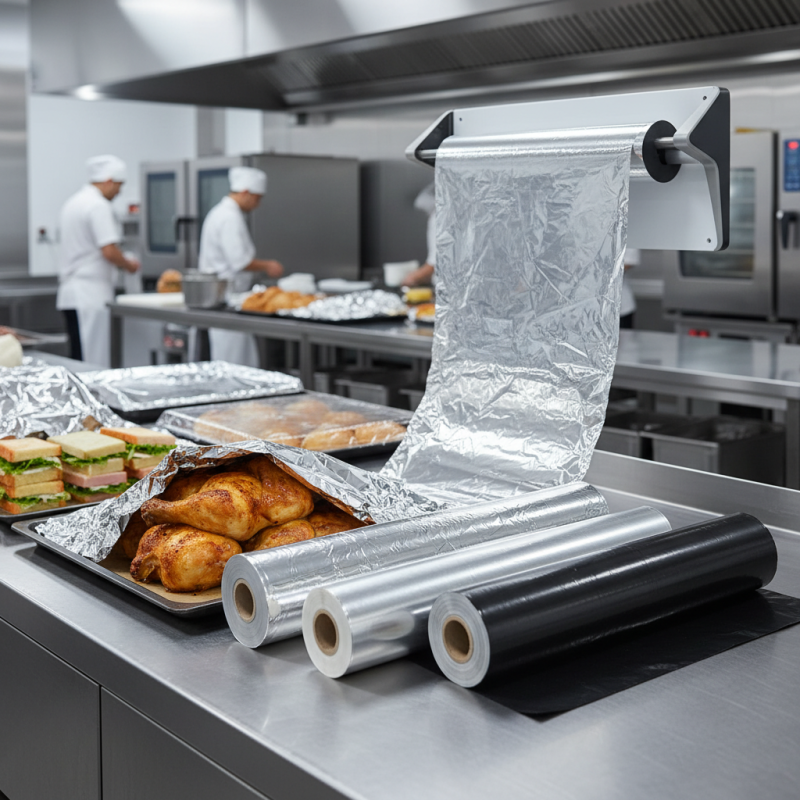
In the bustling world of food service, the right tools can make all the difference. Foil Kitchen Rolls stand out as essential items for many businesses. Their versatility is unmatched. Whether wrapping, covering, or cooking, these rolls serve many purposes.
In 2026, the selection of Foil Kitchen Rolls has expanded significantly. Businesses must navigate these options carefully. High-quality foil enhances the cooking process and improves food safety. However, not all products are created equal. Some affordable choices fall short in durability.
Companies should invest in products that meet their specific needs. This decision can impact efficiency and cost-effectiveness. Just remember that some may overstate their claims. Research and firsthand experience can guide you. Quality foil can lead to better presentations and improved customer satisfaction. Make every roll count in your kitchen!
Overview of Foil Kitchen Rolls: Types and Uses
Foil kitchen rolls are essential tools. They come in various types, tailored for different business needs. Each type serves unique purposes, enhancing efficiency in food preparation, storage, and presentation.
There are heavy-duty foils designed for grilling and roasting. These can withstand high temperatures. Lightweight variants are great for wrapping sandwiches and snacks. They offer convenience but may not handle extreme heat well. Color-coded options exist to help staff choose the right type at a glance.
Using foil kitchen rolls can lead to waste if not managed properly. Businesses should train staff on the right usage. For instance, over-wrapping can use excess foil. Understanding the specific needs of your kitchen can optimize foil usage. This consciousness ultimately supports cost-efficiency and sustainability.
Key Features to Consider When Choosing Foil Kitchen Rolls
When selecting foil kitchen rolls for your business, several key features demand attention. Material quality is paramount. High-quality foil enhances durability and insulation. According to industry reports, packaging waste decreases by up to 30% when using premium-grade foil. This benefit improves not just efficiency but also environmental impact.
Thickness is another critical factor. Thicker rolls often provide better heat retention, making them excellent for cooking tasks. Look for rolls that are at least 18 microns thick. Understanding this can lead to better food preservation and reduced energy costs. Businesses have reported a 15% reduction in cooking time when using appropriate foil thickness.
Tip: Always check for the roll's compatibility with various cooking methods. Not all foils are suitable for oven use.
Lastly, consider the roll size. Larger rolls can lead to fewer refills and lower operational interruptions. However, managing stock becomes crucial to avoid potential waste. Mistakes in sizing can lead to overstocking, which ties up capital.
Tip: Conduct a regular inventory audit. This will help maintain optimal stock levels and avoid wastage.
In the foil roll market, making informed choices can significantly enhance business operations. Choose wisely for a sustainable and efficient kitchen environment.
2026 Top Foil Kitchen Rolls for Your Business Needs - Key Features to Consider When Choosing Foil Kitchen Rolls
| Feature | Description | Thickness (Microns) | Length (Meters) | Width (cm) | Food Safe Certification |
| Heat Resistance | Able to withstand high temperatures without melting or releasing toxic fumes. | 30 | 50 | 30 | Yes |
| Tear Resistance | Designed to resist tearing during use. | 20 | 100 | 40 | Yes |
| Grease Resistance | Effective in preventing grease and oils from soaking through. | 25 | 75 | 30 | Yes |
| Recyclability | Made from recyclable materials, reducing environmental impact. | 15 | 60 | 35 | Yes |
| Ease of Use | User-friendly design for easy tearing and dispensing. | 22 | 40 | 20 | Yes |
Top Brands for Foil Kitchen Rolls in 2026
When selecting foil kitchen rolls for your business in 2026, consider various factors. The right roll can significantly impact your kitchen efficiency. Look for those that are durable and resistant to tearing. You want something that will withstand the rigors of daily food prep.
One crucial aspect is the width and length of the rolls. A wider roll can cover more surface area, saving time during busy hours. Some brands offer heavier gauge options that prevent leaks and spills. You’ll also want to evaluate the ease of tearing. Rolls that are hard to tear can slow down food prep, causing frustration.
Don’t overlook the eco-friendliness of the materials. Many businesses are now aiming to use sustainable products. Yet, striking a balance between sturdiness and sustainability can be challenging. Test various options before fully committing to a particular brand. Your staff's feedback can be invaluable. Remember, ongoing evaluations of product performance are vital for long-term satisfaction.
2026 Top Foil Kitchen Rolls for Your Business Needs
This chart represents the estimated sales volume of different types of foil kitchen rolls in 2026, illustrating the growing preference for high-quality and eco-friendly options.
Comparative Analysis: Foil Kitchen Rolls vs. Paper Kitchen Rolls
When it comes to kitchen rolls, understanding the differences between foil and paper is crucial. Foil kitchen rolls offer durability and heat resistance. They can withstand high temperatures, making them ideal for wrapping hot dishes. These rolls are also non-porous, which helps in retaining moisture. This feature is particularly beneficial in preserving food flavors and textures during cooking or storage.
On the other hand, paper kitchen rolls are versatile and absorbent. They excel in tasks like cleaning spills and wrapping food items for cold storage. However, they might not hold up as well under extreme heat. Many find paper rolls easier to dispose of, which adds a convenience factor. Each type has its merits and drawbacks, which may not be immediately clear.
Some users encounter challenges with each option. Foil can be tough to tear and may not be compostable. Meanwhile, paper rolls can lack strength when wet, causing frustration. Evaluating these products for your specific needs is essential. Consider the tasks they'll serve, and weigh durability against disposability.
Sustainability and Environmental Impact of Foil Kitchen Rolls
Foil kitchen rolls are a staple in many businesses. However, their sustainability is an essential consideration. The production and disposal of these rolls can impact the environment significantly. Foil, typically made from aluminum, requires a considerable amount of energy to produce. Recycling can mitigate this, but it is not always the norm.
When using foil kitchen rolls, think about their source. Are they made from recycled materials? Often, businesses overlook this factor. Choosing options that use recycled aluminum can reduce the overall footprint. This choice supports circular economy principles, which prioritize resource efficiency.
Tips for responsible use include minimizing waste and reusing where possible. Store used foil rolls properly to extend their life. Also, consider switching to alternatives when possible, such as reusable containers. An honest evaluation of your foil use can reveal areas for improvement. Balancing convenience with environmental responsibility is key.