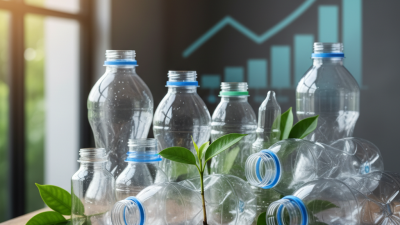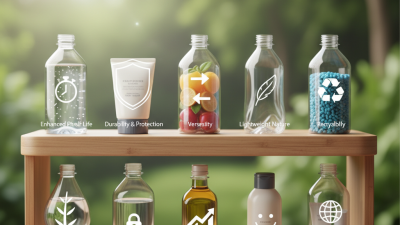

Choosing the right Plastic Packaging Containers can influence product safety, shipping costs, shelf appeal, and customer trust. Global buyers face more than a simple shape or price decision. They must evaluate material quality, closure performance, wall thickness, and production consistency. A clear PET bottle may suit sauces, cosmetics, or beverages. A durable HDPE jar may protect powders, creams, or household products. PP containers can offer heat resistance, but their performance depends on design and application.
This guide examines ten practical container options for international purchasing teams. Each option is considered through real buying concerns, including leak testing, stack strength, moisture protection, and compatibility with filling equipment. Reliable suppliers should provide specifications, sample approval, batch records, and relevant safety documentation. Buyers should also confirm recycling symbols, labeling requirements, and food-contact suitability with qualified local professionals. Requirements can vary between markets, and assumptions create expensive delays.
There is no perfect container.
A lightweight package may reduce freight costs, yet it can feel less stable in a warehouse. A thicker wall may improve durability, but it can increase material use and transport weight. These trade-offs deserve honest review. Based on common packaging practices and supplier evaluation experience, the following choices highlight useful strengths, possible limitations, and questions worth asking before a large order. Small details matter, such as a cap that twists smoothly, a base that stays steady, or a carton that survives a humid loading dock.
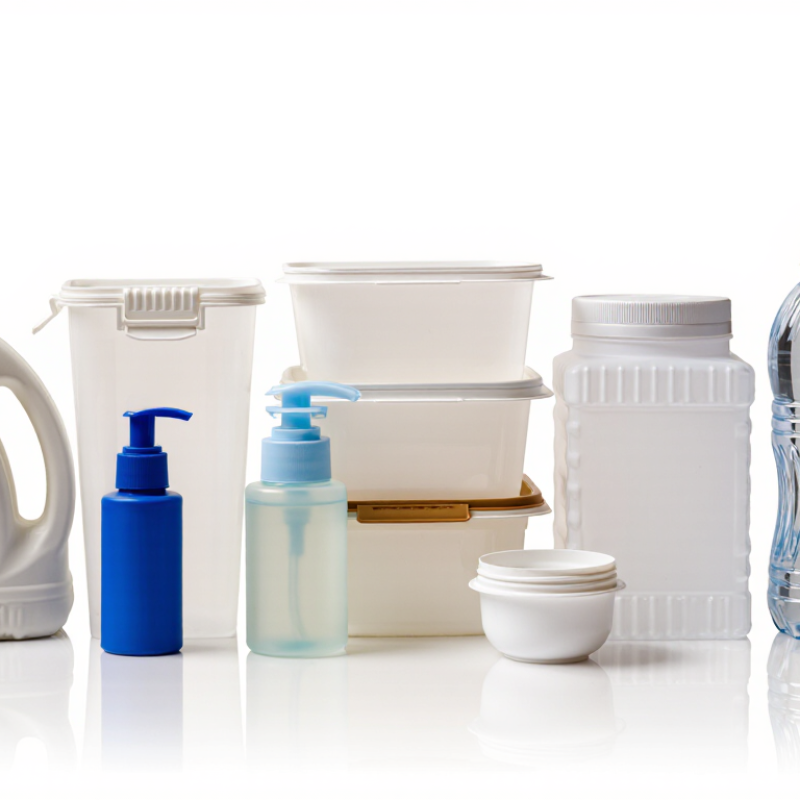
Plastic packaging containers serve different products, transport routes, and handling conditions. Bottles suit water, household liquids, and personal-care products. Jars protect creams, sauces, and powders with wide openings. Jugs carry larger liquid volumes, while tubes support controlled dispensing with less product exposure. Buckets and pails fit industrial materials, coatings, and food ingredients. Drums handle bulk liquids and require strong walls, secure closures, and stable stacking.
Other useful formats include rigid boxes, trays, clamshells, and blister containers. Boxes protect components during warehouse movement. Trays organize food, medical supplies, or small parts. Clamshells improve visibility but can be difficult to open and recycle. Blister packs secure individual doses or hardware pieces. Flexible stand-up pouches reduce shipping weight, although they are not always classified as rigid containers. The best choice depends on barrier needs, filling temperature, closure design, and pallet efficiency.
The OECD’s Global Plastics Outlook reports that packaging creates roughly 40% of plastic waste worldwide. That figure demands more than attractive shapes. Buyers should examine resin identification, recycled content, wall thickness, and recovery options in the destination market. The Ellen MacArthur Foundation also emphasizes designing packaging for reuse, recycling, or composting systems that actually exist. A thinner container may reduce material use, yet it can fail under vibration or heat. Real testing matters. Samples should face drop tests, leak tests, compression tests, and long-distance storage conditions before approval.
| No. | Container Type | Common Materials | Core Applications | Key Advantages | Important Limitations | Typical Capacity Range |
|---|---|---|---|---|---|---|
| 1 | PET Bottles | Polyethylene terephthalate (PET) | Water, soft drinks, edible oils, sauces, personal-care liquids and household products | Lightweight, clear, strong, shatter-resistant and widely recyclable where collection systems exist | Limited heat resistance; oxygen and moisture protection is lower than that of some multilayer formats | 100 mL–5 L |
| 2 | HDPE Bottles | High-density polyethylene (HDPE) | Milk, detergents, shampoos, industrial chemicals, lubricants and agricultural products | Good chemical resistance, impact strength, moisture barrier and broad temperature tolerance | Usually opaque; can be permeable to some gases and solvents; lower transparency than PET | 100 mL–25 L |
| 3 | PP Jars and Tubs | Polypropylene (PP) | Yogurt, spreads, sauces, cosmetics, nutraceuticals and microwaveable foods | Good fatigue resistance, relatively high heat resistance, low density and suitable stiffness | Can become brittle at low temperatures; oxygen barrier is moderate without additional structures or coatings | 50 mL–5 L |
| 4 | Plastic Pails and Buckets | HDPE or PP | Paints, coatings, construction compounds, food ingredients, chemicals and bulk household products | Stackable, durable, reusable in many applications and available with handles and tamper-evident lids | Higher shipping volume than flexible packaging; lid and seal quality strongly affect leakage protection | 1–25 L |
| 5 | Plastic Drums | HDPE, often with PP closures | Industrial chemicals, water-treatment materials, lubricants, food ingredients and hazardous goods | Large capacity, corrosion resistance, impact resistance and compatibility with closed-head or open-head designs | Requires compatibility testing; empty drums occupy significant storage and transport space | 30–250 L |
| 6 | Flexible Plastic Pouches | PE, PP, PET films or multilayer laminates | Sauces, snacks, pet food, liquid refills, detergents and personal-care products | Low material use, efficient transport, excellent graphics and convenient formats such as spouts or zippers | Multilayer structures may be difficult to recycle; puncture and seal performance must be controlled | 20 mL–5 L |
| 7 | Blister Packs | PVC, PET or PP with paperboard or foil backing | Tablets, capsules, small hardware, batteries and compact consumer goods | Unit-dose protection, product visibility, tamper evidence and efficient presentation at retail | Often combines several materials; limited protection for large or irregular products | Single-dose or small-item formats |
| 8 | Clamshell Containers | PET, RPET, PVC or PP | Electronics accessories, toys, tools, stationery, produce and small retail products | Product visibility, strong protection against handling and integrated tamper resistance | Can be difficult to open safely; large empty volume may reduce transport efficiency | Small to medium retail items |
| 9 | Cosmetic and Dispensing Bottles | PET, HDPE, PP or LDPE | Shampoo, lotion, liquid soap, creams, sanitizers and pharmaceutical liquids | Supports pumps, droppers, sprays and flip-top closures; convenient dosing and strong shelf appeal | Dispensing components increase cost and may require separate compatibility and leakage testing | 15 mL–1 L |
| 10 | IBC Totes | HDPE inner bottle with a metal or polymer cage | Bulk chemicals, food liquids, inks, agricultural products and industrial fluids | High-volume handling, forklift compatibility, efficient pallet utilization and standardized discharge fittings | Requires suitable handling equipment; reuse and transport regulations depend on the product and destination | 500–1,250 L |