What is PDLC Film and How Does it Benefit Your Business?
PDLC Film, or Polymer Dispersed Liquid Crystal Film, has emerged as a game-changer in various industries. This technology enables a surface to switch between transparent and opaque states, enhancing privacy while allowing light to pass through. According to a report by MarketsandMarkets, the global PDLC film market is projected to reach $1.13 billion by 2025. This figure underscores the growing demand for innovative solutions that offer both functionality and aesthetics.
Businesses are increasingly recognizing the practical benefits of PDLC Film. For instance, it can transform office spaces, enhancing employee focus while reducing distractions. Additionally, in the retail sector, it can create dynamic displays that captivate consumers. However, the initial costs of installation may deter some businesses. Investing in PDLC Film requires careful consideration and a clear understanding of long-term benefits.
In a world where visual appeal and functionality are vital, the integration of PDLC Film could redefine traditional business environments. Professionals should weigh the immediate financial implications against the potential advantages. The journey towards adopting this technology is worth scrutinizing, ensuring businesses make informed choices.
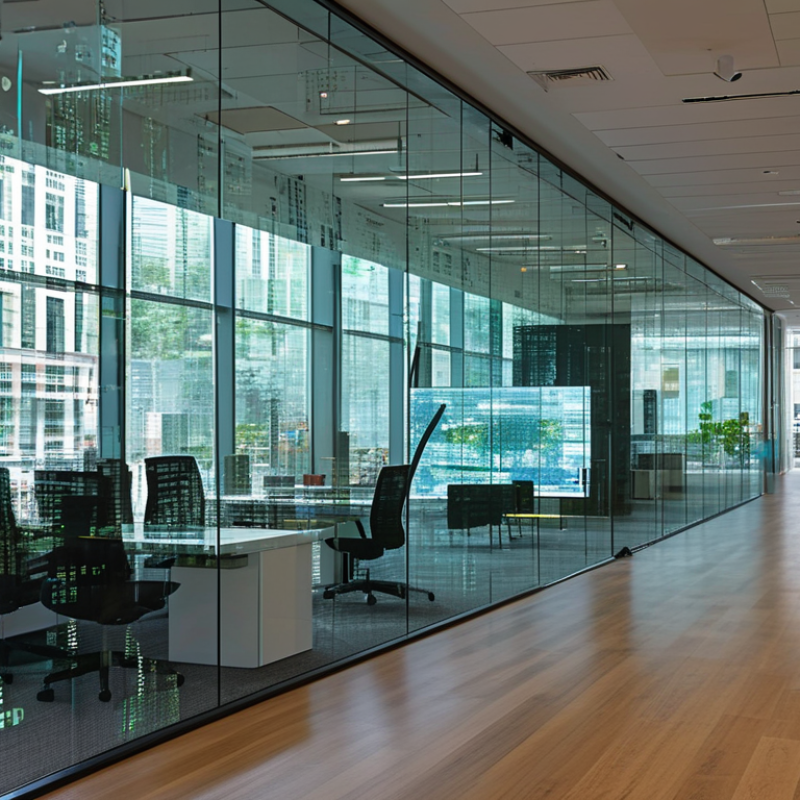
What is PDLC Film? An Overview of the Technology
PDLC film, or Polymer Dispersed Liquid Crystal film, is an innovative technology transforming modern architecture and business environments. This film can switch between transparent and opaque states with the application of electric current. According to a report by MarketsandMarkets, the global PDLC film market is projected to reach $2.5 billion by 2025, reflecting the growing interest in smart building technologies.
The versatility of PDLC film extends across various applications. In commercial spaces, it enhances privacy without sacrificing natural light. Businesses can create flexible meeting rooms or transform storefronts into interactive displays. The ability to control light levels improves energy efficiency, which can reduce operating costs. When utilized effectively, PDLC film can lead to more dynamic and engaging customer experiences.
However, there are considerations to keep in mind. Installation can be complex, requiring specialized expertise. Additionally, the upfront costs may deter some businesses. While the potential benefits are clear, organizations must weigh them against their specific needs and financial constraints. As the technology matures, ongoing advancements may address these challenges, leading to broader adoption in diverse sectors.
The Science Behind PDLC Film: How It Works
PDLC (Polymer Dispersed Liquid Crystal) film is a fascinating technology that brings innovation to businesses. It functions by altering light transmission depending on an electrical current. When the film is powered off, it appears opaque, providing privacy. When activated, it transforms into a transparent state, allowing for visibility. This dual functionality can effectively create adaptable spaces in offices or retail environments.
Understanding how PDLC film works involves delving into its unique composition. It consists of liquid crystals suspended within a polymer matrix. The arrangement of these crystals changes when electrical voltage is applied. The result is an adjustable screen that can respond to specific needs. It’s essential to realize that while PDLC film offers many advantages, implementation can require careful consideration. Factors like installation and compatibility with existing structures must be assessed.
Additionally, the energy efficiency of PDLC films presents an opportunity for businesses to reduce costs. They can minimize the need for curtains or blinds, leading to cleaner aesthetics. However, potential drawbacks include the upfront costs and the reliability of the technology over time. A thorough evaluation of how PDLC aligns with a company's goals is crucial. Adopting such advanced solutions may require a shift in mindset.
Benefits of PDLC Film for Businesses: A Comprehensive Analysis
PDLC film, or polymer dispersed liquid crystal film, has gained popularity for its innovative applications in business settings. This versatile technology offers a range of benefits that can enhance operational efficiency and improve customer experiences. Its primary function is to transition from transparent to opaque with the flick of a switch, providing an instant solution for privacy and security. This capability can be particularly useful in meeting rooms or reception areas, where visual discretion is required.
One notable advantage of PDLC film is its potential for energy savings. When used to cover windows, it helps regulate indoor temperatures by blocking out sunlight. This can lead to reduced heating and cooling costs. Moreover, the film's aesthetic appeal can elevate the design of any workspace, creating a modern and sophisticated atmosphere. However, not every business is equipped to implement this technology seamlessly. Challenges may arise in installation and maintenance, requiring careful planning and investment.
Additionally, some may find that the film does not offer the same level of clarity as traditional glass. This could be a concern for businesses that prioritize transparency. While PDLC film is an excellent choice for many, it’s essential to weigh the benefits against potential drawbacks. Understanding these nuances can help businesses make informed decisions about integrating this technology into their environments.
Applications of PDLC Film Across Various Industries
PDLC film, or polymer dispersed liquid crystal film, is a versatile technology that is finding applications across numerous industries. In the architectural sector, it transforms traditional glass into dynamic smart windows. These windows can shift from transparent to opaque with the flick of a switch, providing privacy and energy efficiency. This adaptability allows businesses to enhance the comfort of their spaces while reducing heating and cooling costs.
In healthcare, PDLC film is increasingly used in medical facilities. It provides patients with privacy in treatment areas without sacrificing light. This simple application can positively affect patient comfort and confidentiality. Furthermore, educational institutions utilize PDLC films in classrooms. The ability to project images onto frosted surfaces opens new avenues for interactive learning. However, integrating such technology requires careful planning. Spaces must be designed to accommodate the electrical needs and user interactions, which may pose challenges in older buildings.
Retail environments also benefit from PDLC film. Instead of conventional changing rooms, stores can offer flexible private spaces. This innovation may attract more customers, but businesses must also consider the setup costs and user experience. Each application presents opportunities and challenges for improvement. Understanding these nuances is vital for successful implementation.
Applications of PDLC Film Across Various Industries
Cost Considerations and ROI for Implementing PDLC Film
Implementing PDLC film in your business can bring visible benefits, but understanding costs is crucial. PDLC, or Polymer Dispersed Liquid Crystal film, can transform any glass surface into a smart one. This technology not only enhances aesthetics but also improves functionality. However, upfront costs can be substantial. Analyzing the Total Cost of Ownership (TCO) is necessary. Think about installation costs, maintenance, and energy savings over time.
Tips: Always consider long-term savings when evaluating costs. Energy efficiency can lead to reduced utility bills. Ensure to assess the impact on employee productivity as well. A functional environment can foster better work habits.
When calculating ROI, it's important to focus on tangible benefits. Measure increased privacy or reduced heating and cooling costs. However, some businesses might not see immediate results. Take time to evaluate the advantages fully. Be prepared to adjust strategies if expected outcomes do not materialize.
Tips: Regularly review your goals. Adapt your approach based on feedback and performance metrics. This ongoing assessment will help maximize the impact of PDLC film on your operations.