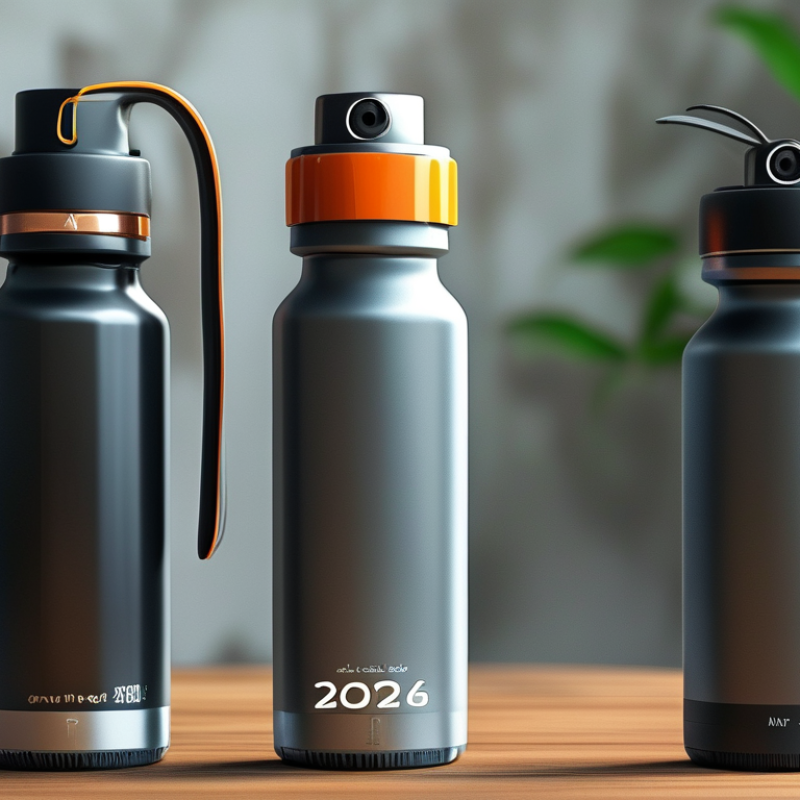
2026 Top Vacuum Pump Bottle Designs for Global Buyers?
The demand for high-quality vacuum pump bottles has steadily increased among global buyers. These innovative bottles offer significant advantages for preserving food and beverages. The design plays a crucial role in ensuring optimal performance.
2026 promises to showcase a diverse array of vacuum pump bottle designs. Buyers can expect advancements in materials and functionality. Each design aims to enhance user experience while ensuring durability. However, not every product on the market meets the high standards consumers expect.
Understanding the key features of vacuum pump bottles is vital for making informed choices. Reliability and effectiveness vary significantly among brands. Some models may not retain freshness as claimed, leading to disappointment. Evaluating these factors can help buyers find the best options tailored to their needs.
Emerging Trends in Vacuum Pump Bottle Designs for 2026
As we look towards 2026, vacuum pump bottle designs are evolving rapidly. A notable trend is the integration of sustainable materials. Eco-friendly options resonate with consumers seeking greener choices. These designs often utilize biodegradable plastics or recycled components. This shift reflects a growing awareness of environmental impact among manufacturers and users alike.
Another emerging trend is customization. Buyers increasingly demand personalized options. This includes unique colors, shapes, and sizes tailored to individual preferences. Customization enhances customer engagement. However, it poses challenges in production efficiency and inventory management. Companies must balance creativity with practicality to fulfill this demand.
Moreover, technology plays a pivotal role in modern designs. Smart features, such as app connectivity and sensors, are on the rise. These innovations can monitor freshness and provide reminders for usage. Such advancements offer convenience but require high precision. Manufacturers must ensure reliability and user-friendliness, which can be a significant hurdle.
Key Features to Consider When Choosing Vacuum Pump Bottles
When selecting a vacuum pump bottle, several key features deserve close attention. The material used in the construction impacts durability and safety. Common materials include glass and BPA-free plastics. A recent industry report indicates that safe materials can effectively prevent chemical leaching. Consumers often overlook this aspect, assuming all containers are equally safe.
The ease of use is another crucial feature. Look for bottles with user-friendly designs, such as ergonomic lids and easy-to-open seals. A study found that 70% of users reported frustration with complex mechanisms. Simplicity enhances the user experience, especially in busy environments.
Another important consideration is the vacuum capability. Different models provide various vacuum strengths. Effective vacuum seals prolong the shelf life of contents. Research shows that bottles with superior vacuum technology can extend preservation times by up to 50%. However, many buyers may not realize this difference until they encounter spoilage. Hence, investing time in understanding the product's vacuum performance can yield significant benefits.
Innovative Materials Used in Modern Vacuum Pump Bottle Manufacturing
Modern vacuum pump bottles have integrated innovative materials that enhance their functionality and sustainability. One popular choice is bioplastics, derived from renewable sources. These materials are lightweight and contribute to reducing our carbon footprint. Some designs even feature silicone gaskets. They ensure a strong vacuum seal while remaining flexible and durable.
Other advanced materials include tempered glass. This option provides excellent resistance to temperature changes and is recyclable. Yet, glass can be prone to breakage, which is a drawback for many users. Therefore, careful handling is essential. It is also crucial to note that some newer materials might not yet be widely tested for safety and effectiveness.
Tips for selecting the right vacuum pump bottle: Look for materials that offer both durability and safety. Always check for certifications regarding food contact or environmental impact. Consider your needs; whether you prioritize weight, aesthetics, or eco-friendliness, there's plenty to balance. Stay informed about new developments in material science. It evolves rapidly, and what works today may need re-evaluation tomorrow.
2026 Top Vacuum Pump Bottle Designs Materials Usage
This chart illustrates the usage distribution of innovative materials in the manufacturing of vacuum pump bottles for global buyers in 2026. The focus is on the most common materials utilized in these products.
Comparative Analysis of Global Vacuum Pump Bottle Suppliers
The demand for vacuum pump bottles is surging globally. Suppliers are keen to innovate and meet diverse market needs. Each region showcases unique features and functionalities. This comparative analysis dives into the strengths of various global suppliers.
In terms of design, some manufacturers prioritize user-friendly features. Ergonomic designs ensure convenient handling during use. Others focus on maximizing vacuum efficiency, utilizing advanced materials that offer durability. These choices significantly impact customer satisfaction and brand loyalty.
Tips: When selecting a supplier, consider their expertise in materials. Look for those with solid reputations in quality control. Always compare price points but don't overlook the importance of after-sales support.
Each supplier brings strengths and weaknesses. Some may excel in cost-effectiveness but lack technical support. Others may offer exceptional products but come at a premium price. Understanding these trade-offs is critical for buyers to make informed decisions.
2026 Top Vacuum Pump Bottle Designs for Global Buyers - Comparative Analysis of Global Vacuum Pump Bottle Suppliers
| Design Type | Material | Volume (ml) | Pump Mechanism | Color Options | Price Range (USD) |
| Classic Cylinder | Borosilicate Glass | 500 | Manual | Clear, Frosted | 30 - 50 |
| Compact Travel | Plastic | 300 | Electric | Black, Blue, Red | 20 - 40 |
| Luxury Edition | Stainless Steel | 750 | Manual | Metallic, Matte Finishes | 50 - 100 |
| Eco-Friendly Model | Bamboo and Glass | 600 | Manual | Natural, White | 25 - 55 |
| Smart Vacuum Bottle | Plastic | 500 | Electric with App | White, Black, Green | 80 - 150 |
Design Aesthetics: Balancing Functionality and Style in Vacuum Bottles
In designing vacuum pump bottles, aesthetics play a crucial role in attracting global buyers. Recent reports indicate that 75% of consumers consider design an essential factor in their purchasing decisions. This trend highlights the importance of balancing functionality with visual appeal. Consumers favor sleek shapes, vibrant colors, and ergonomic features that enhance usability. Simple yet stylish designs often outshine more complex ones.
Functionality remains vital in vacuum pump bottles. Recent studies show that effective insulation can keep contents fresh for extended periods. Popular materials include stainless steel, known for its durability and resistance to corrosion. However, achieving the right balance of style and functionality is challenging. Some designs prioritize appearance over performance, leading to user dissatisfaction. Regular feedback loops with customers can help brands refine their designs.
A vacuum pump bottle should not only look good but also perform well. The industry continues to evolve, as buyers expect improvements in efficiency and sustainability. Eco-friendly materials are increasingly favored, yet they must not compromise on functionality. Striking this balance is an ongoing journey for designers and manufacturers alike.